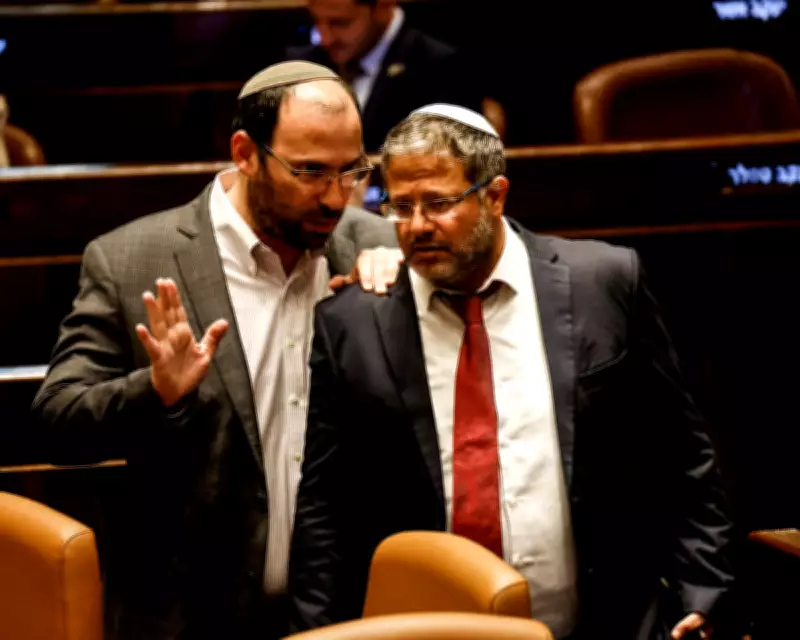
Israeli lawmakers have approved the establishment of a special tribunal with the authority to impose the death penalty on Palestinians convicted of participating in the Hamas-led attack on October 7, 2023, which sparked the ongoing war in Gaza. The measure passed in the 120-seat Knesset with 93 votes in favor and none against, reflecting broad support among Israel's Jewish majority for punishing those responsible for the deadliest single attack in the country's history. The remaining 27 lawmakers were absent or abstained.
Separate from Earlier Death Penalty Law
The new bill is distinct from a law passed in March that authorized the death penalty for Palestinians convicted of murdering Israelis, a measure widely condemned by the international community and human rights groups as discriminatory and inhumane. The October 2023 attack, led by elite Hamas Nukhba fighters, resulted in at least 1,200 deaths, mostly civilians, marking the worst attack on Jews since the Holocaust.
Details of the Tribunal
Under the new legislation, the tribunal can charge alleged assailants under Israel's 1950 law for the prevention of genocide, which carries the death penalty. Approximately 300 alleged attackers captured by Israeli forces after the attack have been held since then. The trials will be livestreamed from a Jerusalem military court, drawing comparisons to the 1962 trial of Nazi war criminal Adolf Eichmann, which was broadcast live and resulted in a death sentence. Eichmann's execution remains the last carried out in Israel, though capital punishment is still on the books for genocide, wartime espionage, and certain terror offenses.

Criticism and Concerns
Rights groups have criticized the measure, arguing it makes the death penalty too easy to impose and undermines fair trial safeguards. Defendants can appeal, but only to a special appeals court rather than regular courts. Ya'ara Mordecai, an international law expert at Yale Law School, raised concerns about due process in a military court setting and the risk of politicized show trials. Opponents also question the reliability of evidence that may have been obtained through harsh interrogation methods.
Simcha Rothman, one of the bill's sponsors, hailed the overwhelming consensus as a sign that lawmakers could unite around a common mission. However, several Israeli rights groups, including HaMoked, Adalah, and the Public Committee Against Torture in Israel, stated that while justice for the victims is urgent, accountability must adhere to principles of justice. Hamas spokesperson Hazem Qassem said the law serves as a cover for Israeli war crimes in Gaza.
International Context
The International Criminal Court is investigating Israel's conduct in the Gaza war and has issued arrest warrants for Prime Minister Benjamin Netanyahu and former Defense Minister Yoav Gallant, as well as for three Hamas leaders who have since been killed. Israel is also defending a genocide case at the International Court of Justice, rejecting the allegations as politically motivated.