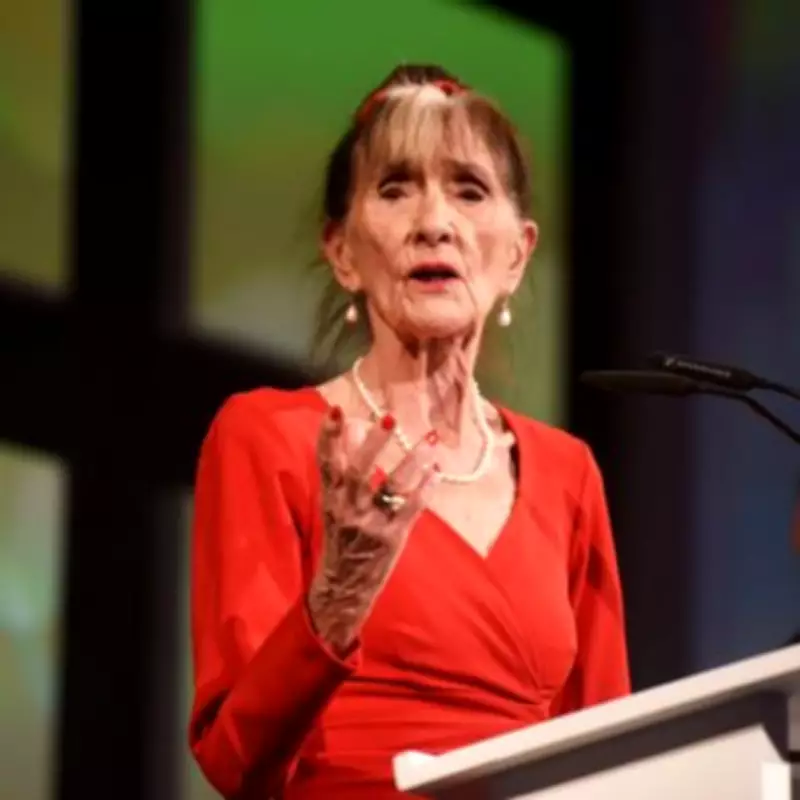
Lord Michael Cashman, a former EastEnders star turned politician, has revealed that his late co-star June Brown pleaded with him to help her obtain an assisted death before she died in 2022. Speaking during the House of Lords debate on assisted dying, Lord Cashman shared the personal account, highlighting the emotional weight of the issue.
Lord Cashman's Revelation
Lord Cashman, who played Colin Russell on the BBC soap alongside Brown's iconic Dot Cotton character in the late 1980s, said: "I also remember my dear friend June Brown, who implored me to get her to a country where she could die with dignity and the death that she wanted." He had previously spoken in the Lords about a friend's plea for assisted death but had not named her. Brown's character Dot was central to a major euthanasia storyline in 2000 when she helped terminally ill friend Ethel Skinner die.
Lord Cashman, who made TV history with the first on-screen gay kiss on British television in 1989, also recalled how Brown supported him in attending protests against Section 28. He added that he watched his husband of 31 years die a "slow and agonising death" more than a decade ago, deepening his regret that the assisted dying bill did not pass.

Assisted Dying Bill Fails
The Terminally Ill Adults (End of Life) Bill, which had been progressing through Parliament for 18 months, fell on Friday without a vote in the Lords after running out of time. The bill had passed two Commons votes but faced over 1,200 amendments in the Lords, with more than 800 sponsored by seven peers. Lord Charlie Falconer, who steered the bill, expressed despondency that it failed due to procedural wrangling rather than its merits.
The legislation would have allowed adults with less than six months to live to apply for an assisted death, subject to approval by two doctors and an expert panel. Supporters accused opponents of a "prolonged filibuster" and a "denial of democracy," while opponents branded the bill "unsafe and unworkable," citing concerns about coercion of vulnerable people and insufficient safeguards for disabled individuals.
Opposition and Support
Paralympian Baroness Tanni Grey-Thompson, who opposed the bill, said it failed because "there are too many gaps in it." Baroness Campbell of Surbiton, a former EHRC commissioner who has spinal muscular atrophy, said disabled people feared unequal access to care and subtle coercion. Conservative former deputy prime minister Baroness Therese Coffey warned that choice for some was being prioritized over coercion concerns for others.
Supporters, including bill sponsor Kim Leadbeater, vowed to reintroduce it in the next parliamentary session. Campaigners suggested using the Parliament Act, a rarely used mechanism that allows Commons-backed bills to become law without Lords approval if rejected in two successive sessions. Lord Falconer said: "It is clear that the issue will not go away, nor should it, until it is resolved."
Political Reactions
Prime Minister Sir Keir Starmer voted in favor of the bill, while Conservative leader Kemi Badenoch voted against. Badenoch described the bill as "hopelessly flawed" and accused the government of using a private member's bill to push its agenda. A Number 10 spokesperson reiterated the government's neutrality on the issue.
Dame Esther Rantzen, a terminally ill campaigner for assisted dying, accused peers of "condemning generations of terminally ill patients to die in agony." Charities in palliative care urged Health Secretary Wes Streeting, who voted against the bill, not to waste the momentum from the national conversation on death.