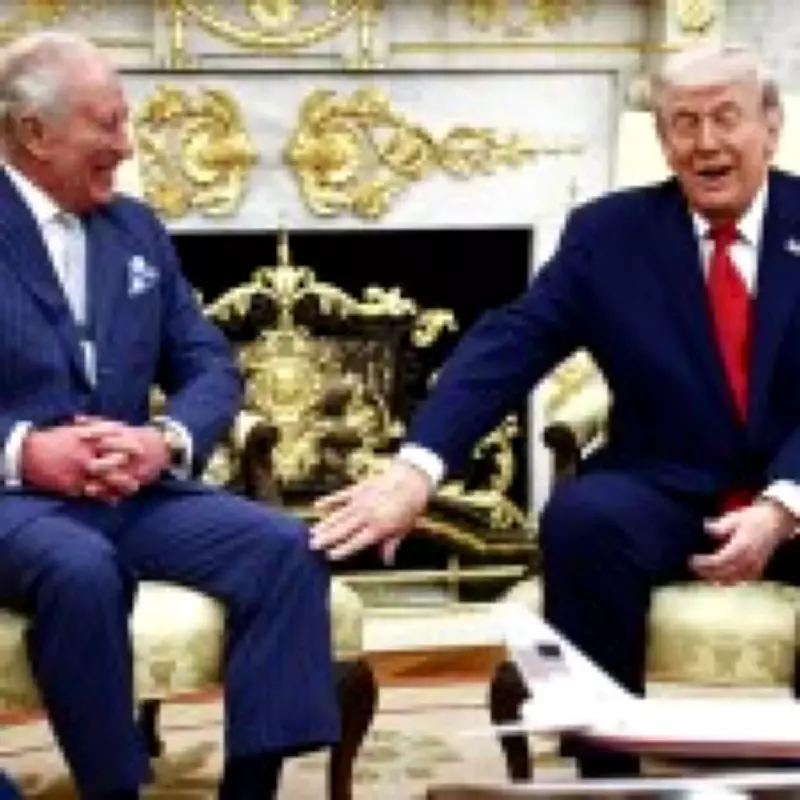
The gilded splendour of King Charles's state visit to the United States carries a political weight for the United Kingdom far greater than initially anticipated. Officially, the trip is a celebration of the 250th anniversary of the Declaration of Independence. However, since the visit was announced in late March, it has become clear that the reality is far more complex. The King has been dispatched on a salvage mission.
The Context of the 'Special Break-Up'
Recent months have seen a dramatic deterioration in transatlantic relations. Prime Minister Sir Keir Starmer has offered subtle, indirect criticism of President Donald Trump, while Trump has devoted significant effort to humiliating Starmer over the UK's lack of support for the war in Iran. In a matter of weeks, all the progress made since Trump returned to office—personalised cufflinks, compliments on accents, and gestures of courtesy—appeared to be undone. Now, the UK has deployed what some call a 'couples therapist in a shiny hat' to mend the rift.
Trump's Fascination with Royalty
The visit has highlighted a stark contrast between the King and any other world leader. Trump has always seemed to covet what the King embodies: pure, innate privilege derived not from wealth but from ancient lineage and constitutional superiority. This respect was evident when Trump agreed to hold private White House discussions with the monarch, away from news cameras.

The King's address to Congress on Tuesday was well received. He touched on potentially sensitive topics such as checks and balances on power, the risks of climate change, and his support for NATO, without provoking significant backlash. It felt like a return to old-school diplomacy—a powerful figure using influence to gently steer an ally.
Why It Won't Work
Despite these efforts, the UK's fragile relationship with the US is unlikely to be restored. Old-school diplomacy does not work on Trump, as nothing truly influences him. Once the ceremonial aspects of the visit fade, Trump will likely resume his attacks on Downing Street whenever he chooses. Perhaps it is better to focus on the historical anniversary of 1776, when the two nations were at war, rather than expecting this visit to heal current political wounds.