

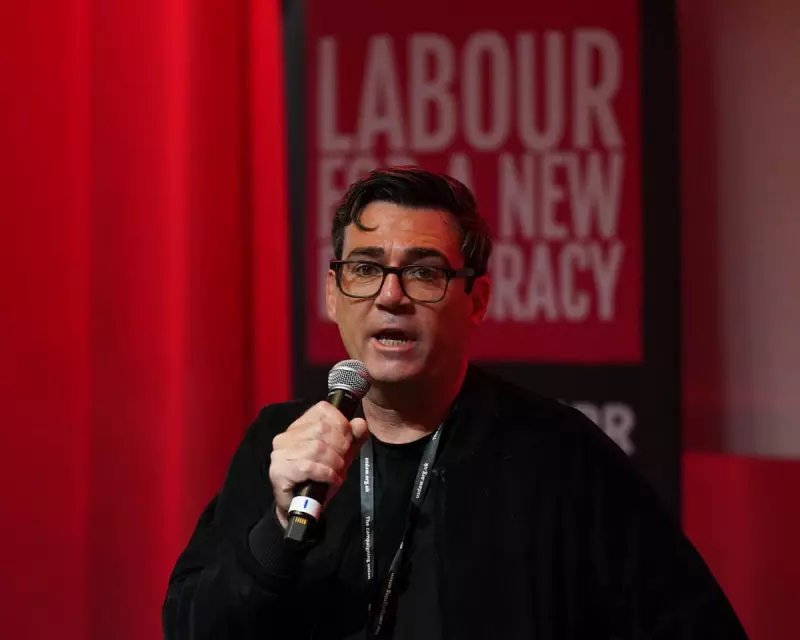
Labour Faces Calls to Reverse Burnham Candidacy Block
The Labour party's National Executive Committee (NEC) has sparked significant controversy by blocking Andy Burnham's candidacy for the upcoming Gorton and Denton byelection. This decision, announced during the Labour party conference in Liverpool on 28 September 2025, represents what many see as a troubling rejection of collaborative and contestatory politics that the party and country desperately need.
The Case for Political Pluralism
Good governance fundamentally relies on a balance between collaboration and healthy contestation. The NEC's ruling appears to turn away from this essential principle, potentially undermining Labour's ability to navigate complex societal challenges. As Francis Crick famously observed regarding scientific progress, valuing criticism almost higher than friendship proves equally vital in political contexts.
Modern governance requires systems and cultures that welcome diverse perspectives and constant feedback. Effective leadership blends professional expertise with open debate and negotiation. In today's complex political landscape, organisations that suppress differing voices risk stagnation rather than thriving.

Why Burnham's Candidacy Matters
Three compelling arguments support reversing the NEC's decision regarding Andy Burnham. Firstly, Burnham doesn't share identical views with Keir Starmer on every issue. Rather than viewing this as threatening, a mature political organisation should recognise difference as strength. Healthy contestation within reasonable boundaries typically leads to better governance outcomes.
Secondly, Burnham's mayoral leadership in Greater Manchester demonstrates practical pluralism in action. By prioritising place over party, he has built broad consensus across political lines. The Greater Manchester combined authorities rarely require formal votes because decisions emerge through consensus. This collaborative approach has facilitated long-term planning and contributed to making Greater Manchester the UK's fastest-growing city region.
Thirdly, allowing Burnham to run would signal a significant reset for Labour. It could energise thousands of members and attract new supporters. A vibrant byelection campaign would enable progressive forces to directly challenge regressive elements, potentially turning back the tide of Reform UK's influence.
Broader Implications for Labour's Future
This moment extends beyond individual personalities or factional disputes. It represents an opportunity for Keir Starmer to demonstrate a new approach to political behaviour and party management. The notion that party members should remain silent and unquestioningly loyal contradicts how functional relationships operate in families, organisations, and businesses.
Labour needs to reestablish principles of internal pluralism. While parties must protect against genuinely destructive elements, healthy debate remains essential for organisational vitality. Without debate, alternatives, and nuance, any political entity risks withering. Both left and right factions within Labour ultimately need each other for balanced governance.
This isn't about eliminating disagreement but fostering honest, constructive, and respectful debate to fuel the reset that the party, government, and country clearly require. At a time when public cynicism toward politics appears particularly acute, the NEC's decision contributes to political disillusionment. Reversing this ruling would demonstrate confident leadership and signal the change Britain voted for in 2024.






