

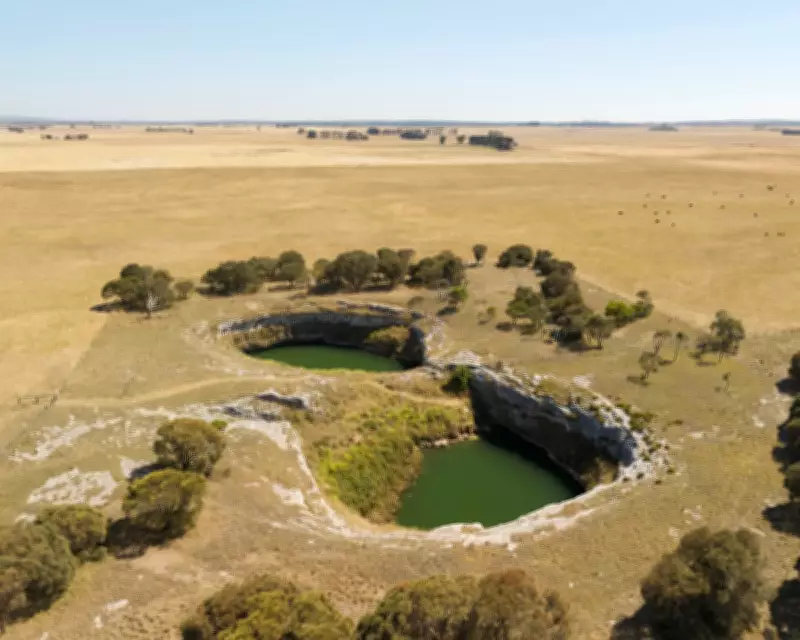
Farmers, environmentalists, and local communities have expressed shock and dismay over the South Australian government's decision to allow fracking on the Limestone Coast two years earlier than planned. The move overturns a 10-year moratorium on unconventional gas introduced by the previous Liberal government in 2018, which was based on widespread community opposition and a parliamentary inquiry that concluded the industry lacked social licence. A survey at the time found 95% of residents wanted the region to remain gasfield-free.
Broken Promises and Environmental Concerns
Pete Bissell from the Limestone Coast Grape and Wine Council described the decision as "extremely disappointing" and a broken promise. "Fracking is not the answer here. Elsewhere in Australia, it has led only to short-term gains accompanied by fast depletion rates on gas wells," he said. "To jeopardise the sustainable farming future of the region, for projects of this kind, is deeply regrettable." The Limestone Coast, stretching between the Victorian border and the South Australian coast, is prime agricultural land producing 83% of Australia's lucerne, half of the state's dairy and potatoes, and nearly a third of its wine grapes. It also hosts the world heritage-listed Naracoorte caves and nationally significant wetlands.
Groundwater Risks
Primary producers and communities rely heavily on ancient groundwater aquifers, which have been in consistent decline since 1993. Risks to this natural resource are consistently raised as a concern in relation to fracking activity. The current embargo on hydraulic fracture stimulation, or fracking, is applied across seven local government areas: Mount Gambier, Naracoorte Lucindale, Grant, Tatiara, Kingston, Wattle Range, and Robe. The Limestone Coast Local Government Association said no fracking should occur until a region-wide assessment of environmental, social, and economic impacts is undertaken. Association president Lynette Martin, also mayor of Mount Gambier, said councils were "acutely aware of the anxiety and concern" the announcement had created. "This region is built on the strength of its food and fibre industries – industries that are established, sustainable and critical to our economy. We should be backing those industries with confidence, not creating uncertainty that could undermine future investment."

Government Justification
Premier Peter Malinauskas explained the decision to remove the blanket ban by stating that gas is a "necessary component" of reaching net zero emissions. "There is no world where we get to Paris [climate agreement targets] without gas playing a role in transition," he told SkyNews. He added that any proposals would be subject to "rigorous scientific, environmental, and community scrutiny." Energy Minister Tom Koutsantonis said South Australia remained on track for its renewable target of net 100% renewable energy by next year, emphasizing that renewables have been possible "with the firming capacity of gas."
Industry and Opposition Reactions
Georgina Woods, acting national coordinator for Lock the Gate Alliance, called it a "shocking decision" that broke the state government's promise "to protect precious groundwater and fertile farmland from the environmentally disastrous impacts of fracking." She noted the surprising timing, just eight weeks after the state election. In contrast, the South Australian Chamber of Mines and Energy welcomed the change, saying it would "restore science-based decision-making." Chief executive Catherine Mooney stated, "As the east coast faces tightening gas supply, unlocking responsibly regulated local production is a practical step toward energy security and affordability." The decision follows an agreement between the SA government and Santos in February, contracting the company to supply 20 petajoules of gas annually over 10 years from 2030. The state's current gas use is about 63 petajoules per year, with electricity generation contributing half. However, the state's upper house may pose an obstacle, with One Nation flagging opposition and the Liberals calling for community consultation.






