

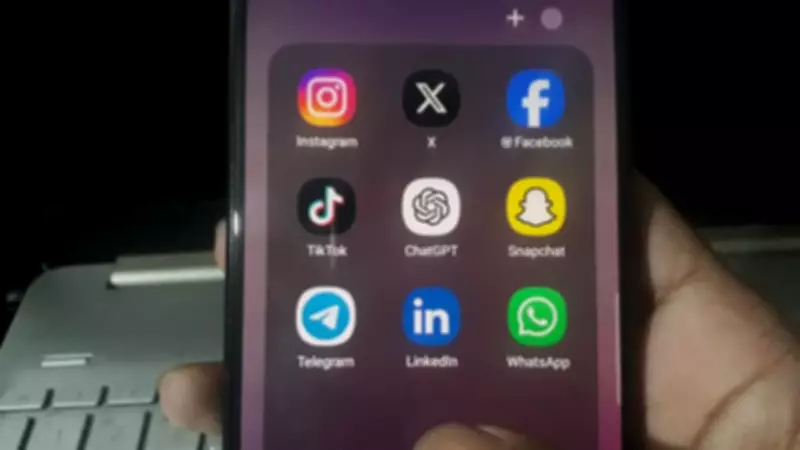
In a significant parliamentary decision, Members of Parliament have voted down a proposal to prohibit children under the age of sixteen from accessing social media platforms. The controversial amendment to the Children's Wellbeing and Schools Bill was defeated in the House of Commons by a decisive margin of three hundred and seven votes to one hundred and seventy-three, despite having previously secured backing from the House of Lords.
The Push for a Ban and Political Backlash
The Conservative Party had championed the ban through an amendment to the government's flagship education legislation, which is currently navigating its way through Parliament. This move gained momentum following Australia's groundbreaking enforcement of a similar ban in December, making it the first nation globally to implement such restrictions. Since that landmark decision, various European countries have begun exploring comparable measures.
Opposition figures have sharply criticized Prime Minister Sir Keir Starmer's administration for what they describe as "dither and delay." The government has announced plans to conduct a comprehensive consultation on a potential social media ban for minors without committing to immediate legislative action. In a strongly worded statement issued after the Commons vote, the Liberal Democrats condemned this approach as "not good enough," emphasizing that families across the United Kingdom require concrete assurances and protective measures without further postponement.

Passionate Debates and Divergent Perspectives
During the heated parliamentary debate, Shadow Education Secretary Laura Trott characterized the situation as an urgent "emergency," citing alarming polling data indicating that forty percent of children encounter explicit content on their smartphones during school hours. Trott implored the government to move beyond endless guidance documents and consultations, demanding immediate legislative action to safeguard young people from online harms.
Notably, one hundred and seven Labour MPs chose to abstain from voting on the amendment, including Sadik Al-Hassan, who articulated the immense challenges faced by parents. He described families as being "locked in a daily battle that they simply cannot win alone," contending that they are pitted against sophisticated digital platforms deliberately engineered to maintain children's engagement and dependency.
Government's Cautious Approach and Consultation Strategy
Education Minister Olivia Bailey presented counterarguments during the debate, highlighting concerns raised by children's charities. These organizations warned that an outright prohibition on social media access for under-sixteens might inadvertently push young users toward less regulated and potentially more dangerous corners of the internet. Additionally, charities expressed apprehension that such a ban could leave adolescents ill-prepared to navigate the complexities of the digital world responsibly as they grow older.
Minister Bailey clarified that the government's forthcoming consultation aims to "seek views to help shape our next steps," leaving open the possibility that restrictive measures—including bans on platforms like Instagram and TikTok—could still be implemented following the review process. This consultation will thoroughly examine the multifaceted implications of regulating minors' social media usage.
Alternative Measures and Legislative Pathway
While rejecting the outright ban, Parliament did approve an amendment granting additional powers to Technology Secretary Liz Kendall. These enhanced authorities could enable her to introduce a social media ban in the future if deemed necessary. Furthermore, the legislation empowers the Technology Secretary to impose limitations on children's use of Virtual Private Networks (VPNs) and restrict access to addictive features commonly found in social media applications, such as autoplay videos.

The Children's Wellbeing and Schools Bill will now return to the House of Lords for further scrutiny and deliberation by peers. Lord Nash, the Conservative peer who originally proposed the defeated amendment, has vowed to continue advocating for its passage, asserting that there exists "huge demand across the country to raise the age limit and protect children" from the potential dangers of social media. For the bill to ultimately become law, both Houses of Parliament must reach consensus on its final version, setting the stage for continued negotiations and potential compromises in the coming months.





