

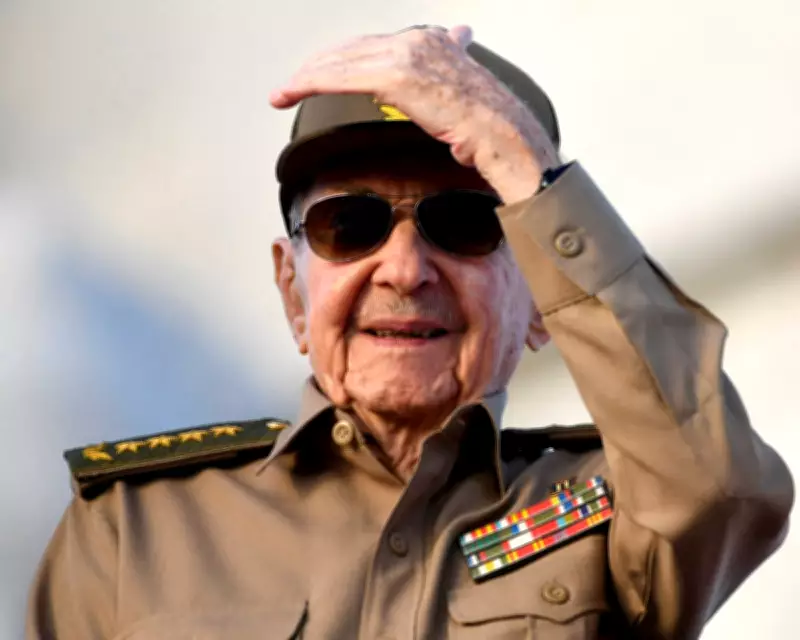
The United States Department of Justice has unsealed a federal indictment against former Cuban President Raul Castro, accusing him of orchestrating drug trafficking operations and committing widespread human rights abuses. The charges, filed in a Miami federal court, mark a dramatic escalation in the already strained relations between Washington and Havana.
Details of the Indictment
The indictment alleges that Raul Castro, who led Cuba from 2008 to 2021, oversaw a state-sponsored drug smuggling network that moved cocaine from South America through Cuban territory to the United States. Prosecutors claim that Castro personally authorized and profited from these operations, using the proceeds to enrich himself and his inner circle. Additionally, the indictment includes charges of crimes against humanity, citing the suppression of political dissent, arbitrary detentions, and torture of opponents.
Legal and Political Ramifications
The indictment is unprecedented in its targeting of a former head of state from a nation with which the US has no extradition treaty. Legal experts suggest that the move is largely symbolic, as Raul Castro remains in Cuba and is unlikely to face trial in the US. However, the charges could complicate any future diplomatic normalization and may be used to justify further sanctions against the island nation.

The Trump administration, which has taken a hard line on Cuba, hailed the indictment as a victory for justice. “Raul Castro’s reign of terror must end,” said a White House spokesperson. “This indictment sends a clear message that the United States will hold dictators accountable for their crimes.”
Reactions from Cuba and the International Community
The Cuban government swiftly condemned the indictment as a politically motivated attack. Foreign Minister Bruno Rodriguez called it a “blatant act of aggression” and vowed to defend Cuba’s sovereignty. “This is a desperate attempt by the US to distract from its own failures,” he said in a statement.
International reaction has been mixed. Human rights organizations welcomed the charges, while some Latin American governments expressed concern over the precedent of prosecuting foreign leaders. The United Nations called for restraint, urging both sides to resolve their differences through dialogue.
Historical Context
Raul Castro succeeded his brother Fidel Castro in 2008 and oversaw limited economic reforms but maintained a tight grip on political power. His tenure was marked by a crackdown on dissidents and the imprisonment of journalists. The indictment references these actions as part of the human rights abuses.
The case is expected to take years to proceed, if it ever does, given the lack of extradition. Nonetheless, it adds a new layer of tension to the already fraught US-Cuba relationship, which has seen little improvement since the Obama-era thaw was reversed under Trump.






