

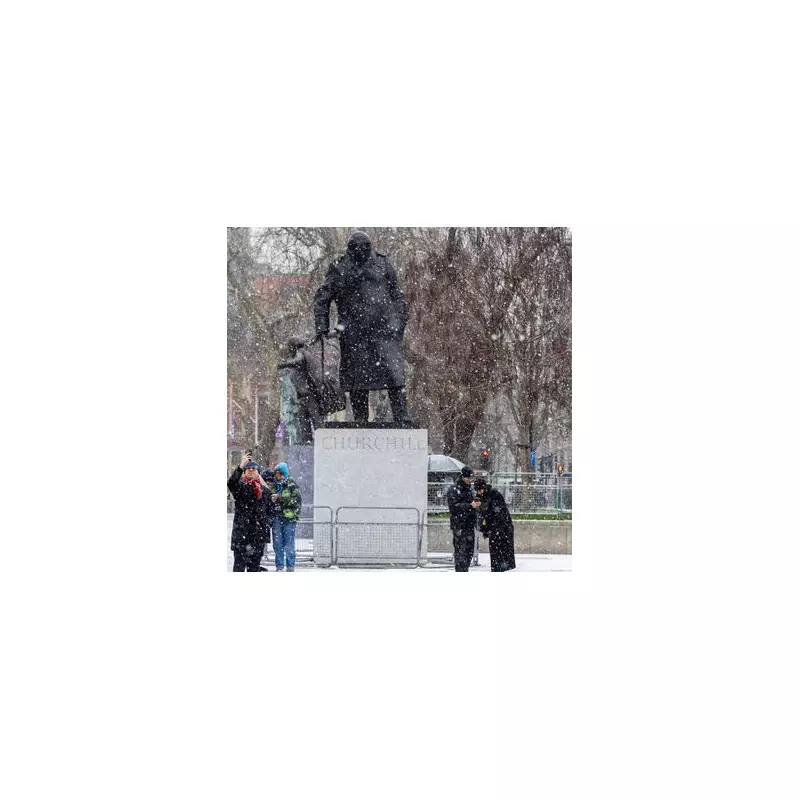
Thousands of pupils across the United Kingdom have been granted an unexpected extension to their Christmas holidays this week, as heavy snowfall and treacherous ice forced dozens of schools to shut their doors.
Widespread Disruption as Snow Blankets the UK
The return to school on Monday, January 5, 2026, was thrown into chaos for many families as a blizzard swept across the nation. Roads were left blanketed in snow and ice, prompting urgent weather warnings and leading to widespread closures of educational institutions in England, Scotland, Wales, and Northern Ireland.
The disruption continued into Tuesday, with fresh snowfall causing further shutdowns. The Met Office has now issued additional yellow warnings for snow, ice, and harsh winds from Wednesday through to Friday, indicating the country is not yet clear of the wintry conditions.

What Are the Rules on Temperature and School Closures?
With the cold snap intensifying, a common question arises: is there a legal minimum temperature at which schools must close? The answer is more nuanced than a simple figure.
Legally, there is no specific minimum temperature threshold that forces a school to shut. Government guidelines emphasise that schools should make every effort to stay open during adverse weather, including snowstorms. However, they also state that the safety of pupils and staff is the top priority, and on rare occasions, closures are necessary.
For indoor comfort and safety, the National Education Union (NEU) provides clear guidance. It references the Workplace (Health, Safety and Welfare) Regulations 1992, which apply to schools. These stipulate that temperatures should be "reasonable," which is defined as "normally at least 16°C" (60°F). The NEU's own position is stronger, advocating that classroom temperatures should be at least 18°C (64.4°F).
In Wales, regulations for local authority schools are more precise, requiring heating systems capable of maintaining 18°C in most classrooms, 21°C in medical rooms, and 15°C in sports halls.
Who Makes the Final Decision?
The ultimate decision to close rests with each individual school. According to GOV.UK, it is the responsibility of the school's leadership to conduct a risk assessment, taking local conditions and safety issues into account, before deciding whether to open or close.
This means parents should monitor communications from their child's school directly during periods of bad weather. Schools typically use their own apps, websites, or messaging services to alert families, often making decisions at short notice as conditions change.
As further snow is forecast, parents are advised to stay tuned for updates from their local educational establishments, while pupils enjoy the possibility of more coveted 'snow days'.






