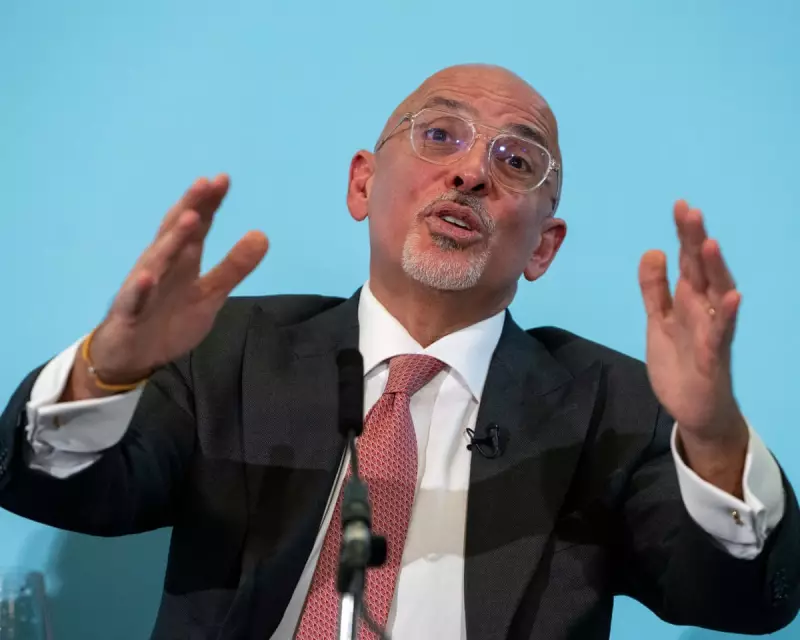
In a move that has sent ripples through Westminster, former Conservative chancellor Nadhim Zahawi has crossed the floor to join Nigel Farage's Reform UK. The defection was announced at a press conference in London on 12 January 2026, marking a significant moment for the insurgent right-wing party and a fresh headache for the beleaguered Tories.
A Defection of Convenience, Not Conviction
While the departure of a former senior minister is optically damaging for the Conservatives, a closer look at Zahawi's career and rhetoric suggests this is less an ideological earthquake and more a case of stark political opportunism. Zahawi served in several cabinet roles, most notably as Education Secretary from September 2021 to July 2022. His tenure was notably marked by the dramatic scrapping of a schools bill that, ironically, would have undone key Tory education reforms.
At the Reform UK launch, Zahawi focused his criticism on the "unelected bureaucracy," calling to "take back control." However, this stance rings hollow from a man who was a central part of the very government that presided over the state machinery between 2019 and 2024. His defection speech contained no profound ideological break with current Conservative leadership, such as Prime Minister Kemi Badenoch, who is also critical of the administrative state.

The Personal and Political Calculus Behind the Move
Defections are deeply personal, and the motivations are rarely purely ideological. Tory sources have suggested the move was prompted by Zahawi's repeated failure to secure a peerage from Badenoch's office—a claim Zahawi denies. Regardless of the trigger, the act of leaving signals where a politician believes opportunity and momentum lie, creating a potentially contagious perception of a sinking ship.
For the Conservatives, this is the latest in a series of damaging exits. The party must tread a fine line in its response: condemning Zahawi too harshly questions why he was ever promoted, while praising him amplifies the loss. With five chancellors in the last parliament alone, the weight of his former title is also diminished by the recent era of political churn.
The Strategic Dilemma for Reform UK
Zahawi's arrival presents a double-edged sword for Reform UK. While it garners headlines and lends a veneer of establishment credibility, it also highlights a strategic tension. Reform's stated goal is to replace the Conservatives, yet to win power it must attract voters who ejected the Tories in 2024. 89 of the 98 seats where Reform finished second in the last election are now held by Labour.
Populating the party with former Tories like Zahawi risks alienating these potential converts. Furthermore, Zahawi's core argument—that the Tories cannot be trusted to fix the state they mismanaged—applies equally to him. Without a sincere reckoning with his own role in that record, his conversion lacks the powerful conviction of past political transformations.
Ultimately, this defection is bad news for the Conservative Party, compounding an existing narrative of decline. However, it is far from a clear win for Reform UK. It underscores that both parties are capable of disappointment, and that proving the case against the Tories does not automatically prove the case for Reform. The absence of any real mea culpa from Zahawi suggests this was less a change of heart and more a calculated change of rosette.