AI-Driven Mass Surveillance in Africa Sparks Freedom Violation Warnings
Experts are raising urgent alarms about the rapid expansion of invasive artificial intelligence-led mass surveillance systems across Africa, which they say are systematically violating fundamental freedoms and human rights. The deployment of sophisticated technologies, including facial recognition, predictive analytics, and extensive data collection networks, is creating an unprecedented level of state and corporate monitoring with minimal oversight or regulation.
Surveillance Technologies Proliferating Across the Continent
From North Africa to sub-Saharan regions, governments and private entities are increasingly implementing AI-powered surveillance tools under the guise of enhancing security, improving public services, and boosting economic development. These systems often involve the installation of high-resolution cameras equipped with real-time facial recognition software, integrated with databases that track individuals' movements, behaviors, and personal information without their informed consent.
The scale of data harvesting is massive, with reports indicating that millions of citizens are being monitored daily, often in public spaces like streets, transportation hubs, and commercial areas. This surveillance is frequently conducted without transparent legal frameworks, raising serious questions about privacy, autonomy, and the potential for abuse by authorities.

Human Rights and Democratic Freedoms Under Threat
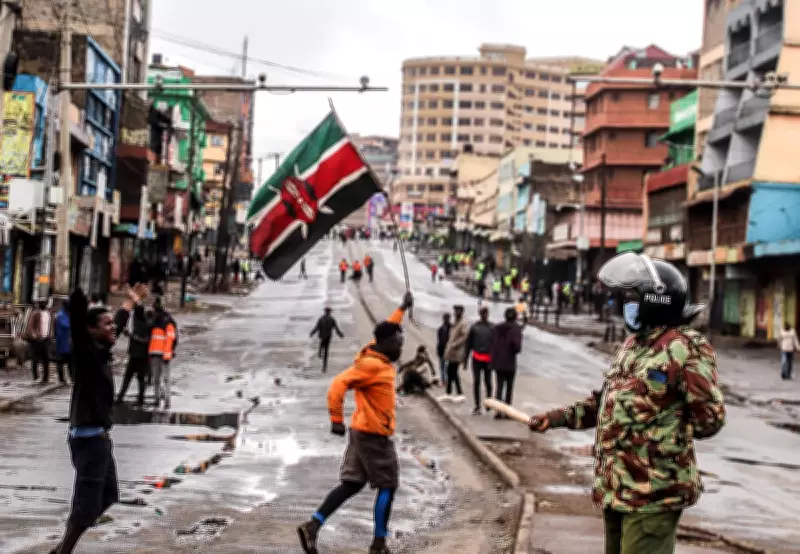
Human rights advocates and digital freedom experts emphasize that these surveillance practices are eroding democratic principles and civil liberties. The lack of accountability mechanisms means that data can be misused for political repression, social control, or discriminatory targeting of marginalized groups, including activists, journalists, and opposition figures. In some cases, surveillance data has been linked to arrests, harassment, and suppression of dissent, undermining freedom of expression and assembly.
Moreover, the integration of AI allows for predictive policing and social scoring systems that can perpetuate biases and inequalities. Algorithms trained on incomplete or biased datasets may disproportionately affect certain communities, leading to unjust outcomes and reinforcing existing social divisions.
Global Context and Local Impacts
The trend in Africa mirrors a broader global rise in surveillance technologies, but experts note that the continent's unique socio-political landscapes make the implications particularly severe. Many African nations have fragile democratic institutions and limited regulatory oversight, which can exacerbate the risks associated with unchecked surveillance. Additionally, partnerships with international tech firms often involve technology transfers that lack adequate safeguards for human rights.
Key concerns highlighted by researchers include:
- Violations of privacy rights under international and regional human rights frameworks.
- Increased risks of data breaches and misuse by third parties.
- Erosion of trust in public institutions and technology providers.
- Potential chilling effects on free speech and civic engagement.
Calls for Regulation and Ethical Standards
In response, experts are advocating for stronger regulatory measures and ethical guidelines to govern the use of AI surveillance in Africa. Recommendations include:
- Implementing comprehensive data protection laws that align with global standards like the GDPR.
- Ensuring transparency and public consultation in surveillance deployments.
- Establishing independent oversight bodies to monitor compliance and address abuses.
- Promoting digital literacy and awareness among citizens about their rights.
Without such interventions, the unchecked growth of AI surveillance threatens to deepen human rights violations and undermine the progress toward more open and just societies across the continent. The situation calls for immediate action from governments, civil society, and the international community to safeguard freedoms in the digital age.