

The long-running campaign of online harassment against France's First Lady, Brigitte Macron, has reached a pivotal legal juncture. While a French court has delivered initial verdicts, a potentially more significant battle is now unfolding across the Atlantic.
A French Court Delivers First Convictions
On Tuesday 6 January 2026, a French legal process concluded with ten individuals being found guilty of cyberbullying Brigitte Macron. The case centred on a sustained barrage of online abuse, which included vicious personal attacks and baseless conspiracy theories.
The false claims propagated against the First Lady were particularly malicious, ranging from outright lies about her gender to salacious and unfounded allegations regarding the nature of her relationship with her husband, President Emmanuel Macron. This verdict marks a rare and significant moment where high-profile victims of digital abuse have seen perpetrators held accountable in court.

The Transatlantic Legal Battle Escalates
However, the Macron's legal offensive is far from over. The couple have now initiated proceedings in the United States, targeting high-profile American right-wing commentator Candace Owens.
The lawsuit alleges that Owens played a key role in amplifying and disseminating the same false accusations to her vast audience. This move signals a determined effort to confront the sources of these theories beyond France's borders, challenging the international echo chamber of online disinformation.
Why Do These Theories Persist?
The case raises critical questions about the origin and enduring appeal of such conspiracy narratives. Experts point to a mix of political opposition, misogyny, and the viral nature of sensational falsehoods on social media platforms.
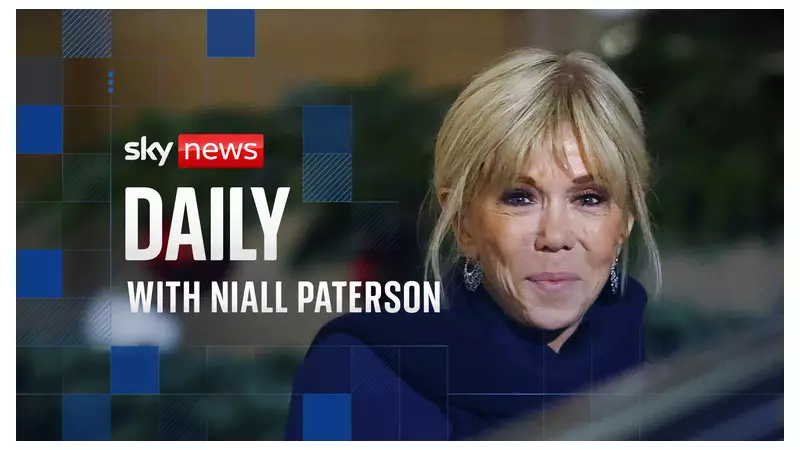
Emma-Kate Symonds, a Paris-based journalist for Conspiracy Watch, highlighted in the Sky News Daily podcast how these theories often start in fringe online communities before being picked up by larger influencers, granting them a veneer of credibility and vastly expanding their reach.
This trial could prove to be a landmark moment in the global fight against cyber harassment, testing the legal recourse available to public figures when falsehoods are spread internationally. It underscores the challenging intersection of free speech, defamation, and the profound harm caused by coordinated online abuse campaigns.






