Epstein Files Uncover Allegations of Trafficking to Associates
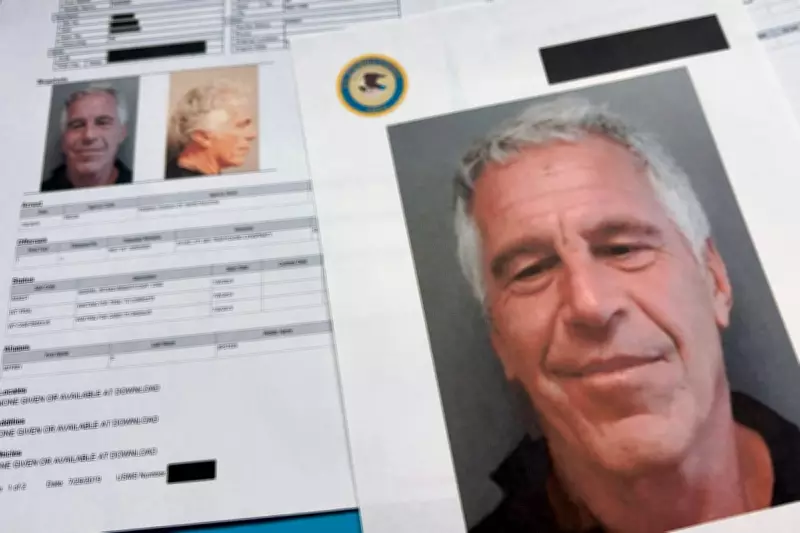
Documents released by the Department of Justice on Friday have shed new light on the Jeffrey Epstein case, suggesting the late financier may have trafficked girls to other men, despite official denials. The disclosure of over 3 million files raises serious questions about contentions from authorities that there is insufficient evidence to investigate third parties for potential involvement in Epstein's crimes.
Allegations Against High-Profile Figures
Among the newly released documents are allegations that Epstein provided victims to other men, including disgraced movie mogul Harvey Weinstein and financier Leon Black. A prosecution memorandum from January 2021 details an encounter where an accuser claimed Epstein's associate offered her money for sex, later identifying Weinstein from a photo. Weinstein, currently jailed for sexual assault, has denied any misconduct through his representative, stating he was never charged or investigated in relation to Epstein.
Similarly, an FBI presentation lists Leon Black on a page titled "PROMINENT NAMES," with allegations that Epstein directed victims to give Black massages while he was naked. Black has vehemently denied wrongdoing, citing an independent investigation that concluded he paid Epstein for estate planning advice and was unaware of criminal activities. The Manhattan District Attorney's office has declined to comment on any investigation into Black.

Historical Context and Prior Disclosures
Prior document releases have also hinted at third-party involvement. Maria Farmer, an artist who worked for Epstein in the 1990s, reported in an FBI document that Epstein stole nude images of her siblings, potentially selling them to buyers. Additionally, a lawyer's letter from 2023 mentions encountering potential child sexual abuse images during a review of Epstein's estate documents, suggesting sharing of such material with others.
An email released by the House oversight committee shows Epstein discussing "girls" and travel with an associate, believed to be the late French modeling agent Jean-Luc Brunel, who was arrested for crimes including human trafficking of minors. Virginia Giuffre, a prominent accuser, alleged in civil papers that she was sexually exploited by Epstein's peers, including royalty, though these claims have been denied.
Official Downplaying and Victim Testimonies
The documents reveal that authorities have at times downplayed the involvement of other men. An FBI presentation includes a page labeled "MISCONCEPTIONS," stating that Epstein did not regularly prostitute victims for money. A case initiation summary noted inconsistencies in victim statements about being lent out to men, with only one anecdote involving Weinstein cited as the "closest" example.
However, attorneys for Epstein's victims argue otherwise. Sigrid McCawley, a managing partner at Boies Schiller Flexner, asserts that providing young women to wealthy individuals was a key part of Epstein and Maxwell's operation, giving them control over implicated parties. Jennifer Freeman of Marsh Law, representing Maria Farmer, questions the transparency of the Department of Justice, asking why perpetrator names are hidden while survivors are exposed. Spencer Kuvin of GOLDLAW adds that victim testimonies confirm Epstein provided girls to notable people, often as favors for future benefits.
These revelations underscore ongoing debates about the extent of third-party involvement in Epstein's crimes and the adequacy of official investigations.