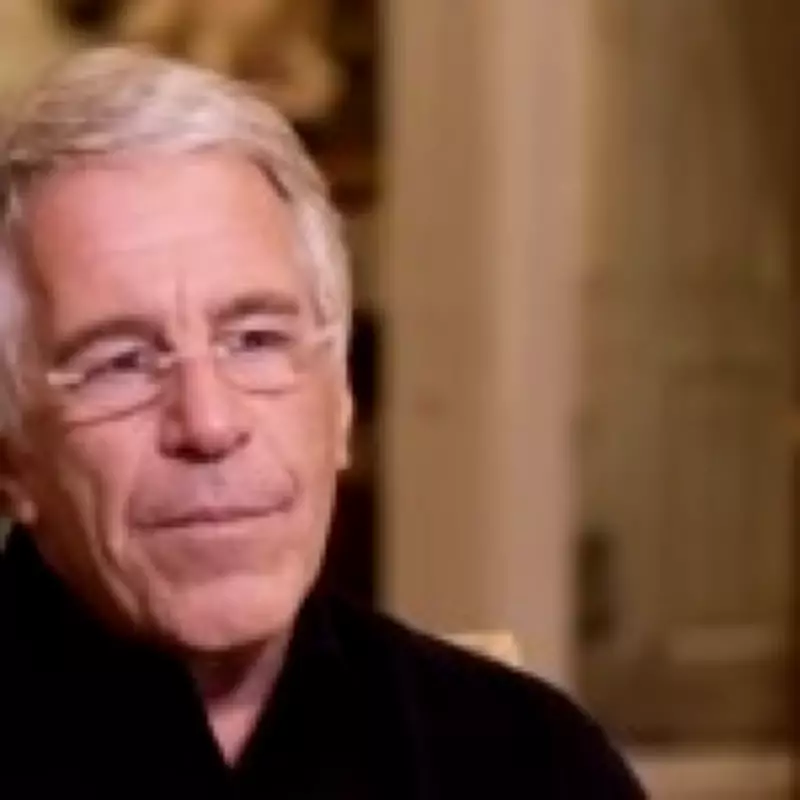
A chilling two-hour interview with convicted paedophile Jeffrey Epstein has been made public as part of a vast document release by the US Department of Justice. The footage, which shows Epstein being questioned by an unidentified interviewer at an unknown time, provides a disturbing glimpse into the mind of the financier who died by suicide in 2019 while awaiting trial on sex trafficking charges.
Eerie Exchange About the Devil
During the interview, the discussion turned to how Epstein acquired his wealth. The interviewer asked pointedly: 'Did they [his clients] know where the money came from?' Epstein responded with a rambling analogy, stating: 'I think if... the devil himself said, I'm going to exchange some dollars for your child's life.'
Seizing on this metaphor, the interviewer immediately followed up with the haunting question: 'Do you think you're the devil himself?' After a noticeable pause, Epstein gave a cryptic reply: 'No, but I have a good mirror... I don't know. Why would you say that?' Later in the conversation, he added the unsettling admission that 'Satan scares me', while confirming his status as what he termed a 'tier one' sexual predator.

Admissions About Wealth and Predatory Behaviour
The interviewer pressed Epstein on the origins of his fortune, insinuating he became wealthy by 'advising the worst people in the world'. When challenged about using money derived from predation to fund charitable clinics, with the interviewer asking if he was a 'class three sexual predator', Epstein corrected him: 'Tier one. I'm the lowest.' This self-assessment starkly contrasts with the gravity of the charges he faced, which included serious sex trafficking allegations that had captured global attention due to potential implications for numerous high-profile figures.
Broader Context of the Epstein Files Release
This interview emerges alongside millions of other documents released by the Department of Justice over the past two months under the Epstein Files Transparency Act. The so-called Epstein files encompass the extensive evidence gathered by investigators probing crimes committed by Epstein and his associates.
Missed Opportunities and Survivor Accounts
Recent revelations highlight systemic failures in addressing Epstein's crimes earlier. In late December, it was disclosed that the FBI failed to act on a 1996 complaint filed by Maria Farmer, whose sister Annie Farmer was abused by Epstein and Ghislaine Maxwell. Despite threats that Epstein would 'burn her house down', Maria Farmer submitted her report on September 3, 1996. The FBI never publicly acknowledged this complaint until it appeared in the recent document trove.
'I've waited 30 years,' Maria Farmer told the New York Times upon the complaint's release. 'I can't believe it. They can't call me a liar anymore.' For years, she had claimed to have tried raising alarms about Epstein and Maxwell, only to face accusations of fabricating her story. Her lawyer, Jennifer Freeman, stated that the revelation represents both a 'triumph and tragedy for Maria and so many survivors', adding that had authorities properly investigated the 1996 report, 'over 1000 victims could have been spared and 30 years of trauma avoided.'
The ongoing release of these documents continues to shed light on the extensive network and prolonged predatory activities associated with Jeffrey Epstein, underscoring the profound impact on survivors and the quest for accountability long after his death.