Epstein's Redemption Plot: Emails Reveal Plan to Use Sarah Ferguson
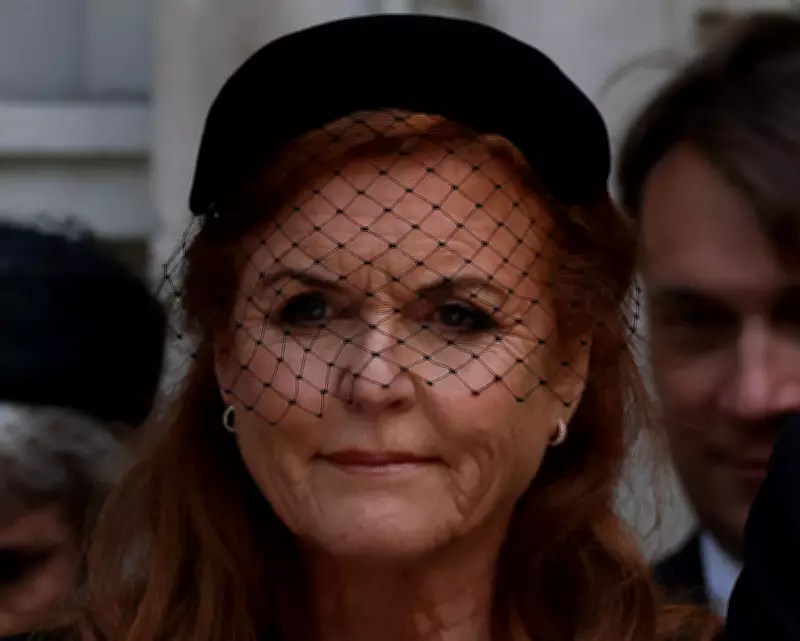
Newly released documents have unveiled a calculated effort by the late financier Jeffrey Epstein to rehabilitate his tarnished reputation, with the former Duchess of York, Sarah Ferguson, at the centre of his strategy. The files, disclosed by the US justice department, detail email exchanges between Epstein and his publicist, Mike Sitrick, outlining a plan to persuade Ferguson to issue a statement declaring Epstein was "not a pedo" after she had publicly distanced herself from him.
Ferguson's Initial Regret and Epstein's Response
In 2011, Ferguson expressed deep regret in an interview with the Daily Telegraph for her association with Epstein, who was convicted in 2008 for soliciting underage girls in Florida. She admitted allowing him to pay off £15,000 of her debts and vowed to sever ties, stating, "I abhor paedophilia and any sexual abuse of children." However, shortly after this public apology, Epstein initiated a campaign to leverage their relationship for his own benefit.
The emails show Epstein suggested Ferguson could release a statement claiming she had been "duped" by lawyers representing his accusers, arguing she should expose newspapers for offering money for stories. Sitrick, believed to be working for Epstein's legal team, emphasised the urgency, stating, "She needs to fix it and as I know everyone knows time is of the essence here." He proposed that if gentle persuasion failed, they should consider sending a draft defamation lawsuit to pressure her.

Ferguson's Private Apology and Continued Relationship
Despite not making a public retraction, Ferguson privately emailed Epstein the following month to "humbly apologise" for her comments, describing him as her "supreme friend." It remains unclear if this change was influenced by the threat of legal action discussed in the emails. In her message, she claimed she was instructed to act quickly to protect her career as a children's author and philanthropist, and denied using the term "paedophile" about him, though it was reported as such.
The documents reveal that Ferguson continued her relationship with Epstein even after his conviction and house arrest. In 2009, she referred to him as the "brother" she always wished for and sought his advice on marketing her personal brand. She also discussed financial struggles, urgently requesting £20,000 for rent to avoid media exposure, and mentioned introducing her daughters to him, expressing gratitude for his kindness.
Broader Implications and Fallout
The files also shed light on the involvement of other high-profile figures, including Prince Andrew, referred to as Mountbatten-Windsor in the documents. He visited Epstein in New York in 2010, with a Hollywood publicist organising a dinner at Epstein's home during the trip. This contradicts his later claim in a 2019 Newsnight interview that he travelled to end the friendship. Mountbatten-Windsor has since paid a settlement to Virginia Giuffre, who accused him of sexual abuse, though he denies wrongdoing.
The fallout from these revelations has been significant. Ferguson faced severed ties with charities after her apology email was disclosed, and both she and Mountbatten-Windsor have been stripped of their royal titles. Epstein died by suicide in 2019 while facing new charges, but the emails underscore his persistent efforts to manipulate public perception through influential connections.
This case highlights the complex dynamics of power and reputation management in the wake of scandal, with Ferguson caught between public condemnation and private loyalty to Epstein.