

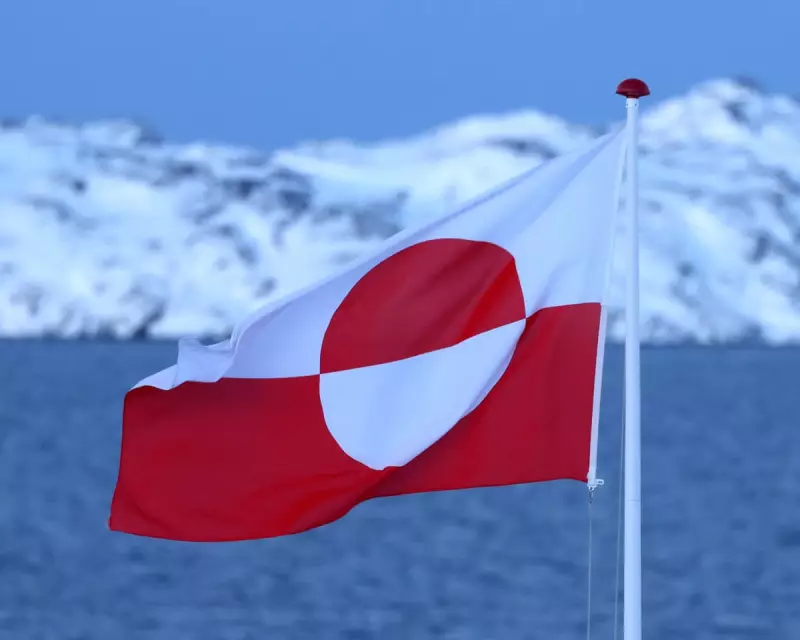
European Leaders Convene to Address Trump's Greenland Tariff Ultimatum
European leaders are scheduled to meet this week to formulate their collective response to Donald Trump's threat of imposing punitive tariffs against nations that obstruct his desire to acquire Greenland. The situation has escalated rapidly, with diplomatic tensions rising as the former US president renews his interest in the strategically significant Arctic territory.
Historical Precedent Points to International Protectorate Solution
In a significant development, climate experts and policy consultants have proposed looking to the Antarctic Treaty as a model for resolving the Greenland crisis. For nearly seventy years, Antarctica has been successfully kept out of military competition and resource exploitation through international cooperation. The 1959 treaty established that some regions are too vital for global stability to be owned by individual nations, instead requiring protection for scientific research, peace, and the common good.
This historical precedent applies with even greater urgency to Greenland, whose massive ice sheet plays a crucial role in regulating the global climate system. What happens in Greenland affects every nation on Earth, making its protection an international imperative rather than a bilateral matter between Denmark and the United States.

Calls for Stronger Diplomatic Response
Critics have described Keir Starmer's response as insufficiently robust, arguing that his characterization of Greenland as merely a matter for Denmark and Greenland itself represents an attempt to return to a status quo that is no longer viable. Climate experts argue that the United Kingdom and European Union must demonstrate genuine diplomatic strength by proposing innovative solutions rather than retreating to outdated frameworks.
The proposed solution involves creating a new international protectorate for Greenland that would explicitly safeguard Greenlanders' right to veto its terms while addressing both defence concerns and climate risks for the global community. This approach would require genuine imagination and commitment from European leaders who claim to believe in strong diplomacy.
Public Outrage Over Business Interests
The revelation of billionaire Ronald Lauder's involvement in encouraging Trump's Greenland ambitions has sparked public outrage. Lauder's extensive business empire, including the Estée Lauder cosmetics company, has faced consumer backlash as details emerge about his cosy relationship with the former president and his commercial interests in Greenland.
One consumer expressed disgust by discarding a favourite Estée Lauder perfume, describing the fragrance as "poison" representing the exploitation of resources and peoples that Lauder and his associates allegedly champion. This personal protest highlights growing public awareness of how business interests intersect with geopolitical manoeuvring in the Arctic region.
Potential European Responses and Historical Ironies
Several potential responses have emerged in public discourse, including suggestions that European nations could threaten boycotts of major international sporting events hosted in the United States. Others have pointed to the historical irony of Trump questioning Denmark's right of ownership over Greenland based on settlement history, noting that similar premises underpin the United States' own territorial claims.
Former European Parliament members have suggested that the European Union could offer Greenland fast-track re-entry, given the territory's previous membership until 1985 and its current preference for European alliances over American domination. This approach could establish an important precedent for protecting vulnerable regions through international cooperation rather than unilateral acquisition.
The coming week's meetings will test European leaders' commitment to principles of international cooperation and climate protection. With Greenland's fate hanging in the balance, the decisions made could reshape Arctic governance for generations to come.






