Europe's Political Groundhog Day: Security Warnings and Winter Woes
After 378 days, January has finally drawn to a close, ushering in the fresh start of February. While the United States marks its annual Groundhog Day tradition today, many across Europe might feel trapped in their own personal time loop since 20 January last year, with familiar political and security challenges resurfacing relentlessly.
A Cinematic Tradition Meets Political Reality
In the US, the famous groundhog Phil is set to make his appearance this afternoon, predicting whether a long winter or early spring lies ahead. Amidst a backdrop of doom-laden headlines, there is a collective hope for a bit of sunshine and optimism. Smile, Phil, smile! as the saying goes, but over in Europe, the focus remains firmly on more pressing, albeit recurring, issues.
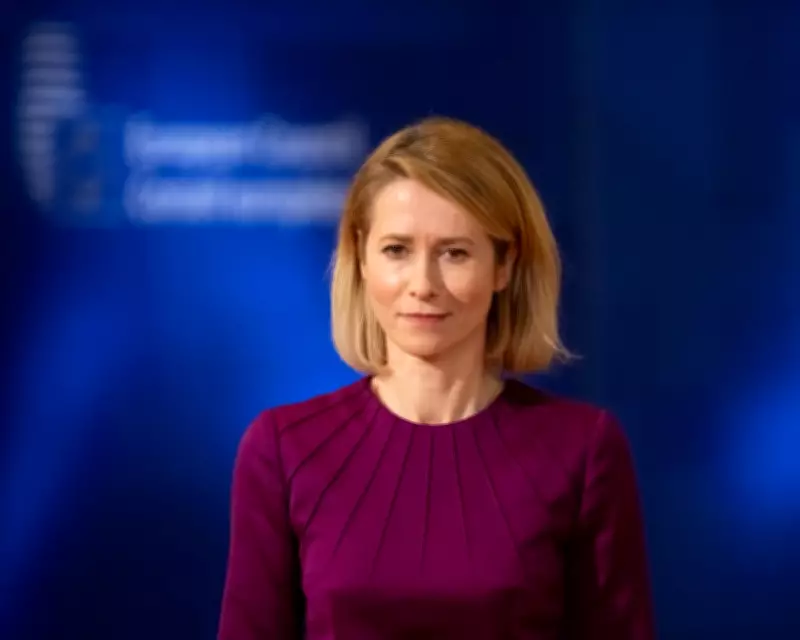
At the Oslo Security Conference this morning, Norway's Prime Minister Jonas Gahr Støre and EU top diplomat Kaja Kallas delivered stark warnings about the end of the world as we know it. They emphasised that Europe must urgently adapt to new realities, not only due to an aggressive Russia but also because of a rapidly evolving alliance with the United States.

Shifting Transatlantic Ties: A Long-Term Challenge
Kallas highlighted that the US shift away from Europe is a long-term process requiring immediate adaptation from the bloc. She pointed out that this trend did not begin with President Trump but reflects a convergence of policies across different US administrations. It might be so easy to think that one personality comes, there are elections, then another one, but I think it's a long term that we really need to look at, she remarked.
Back in October, over 40% of Americans viewed Europeans as their closest allies, a sentiment shared by only 14% of Europeans. Kallas suggested this figure might now be even lower, citing recent events like tariffs, disputes over Greenland, and NATO tensions. This persistent disconnect underscores a Groundhog Day effect in transatlantic relations, where the same issues loop without resolution.
Urgent Calls for 'More Europe'
While neither leader offered definitive solutions, both hinted at more Europe as part of the answer to these mounting challenges. The task is becoming increasingly urgent, and the conference is expected to yield further insights and proposals in the coming hours. As these discussions unfold, the sense of déjà vu is palpable, reinforcing the cyclical nature of European security debates.
Winter's Bite in War-Torn Ukraine
Separately, attention turns to Ukraine, where the war-torn country faces a dual crisis. Already grappling with energy and heat production shortages due to ongoing Russian strikes, it now contends with extreme cold, with temperatures plummeting below -20°C. This harsh winter exacerbates the humanitarian and infrastructural strains, making the need for peace and stability more critical than ever.
Regional Chill: A Broader Eastern European Freeze
The cold snap extends across central and eastern Europe, affecting cities like Vilnius at -20°C, Warsaw at -18°C, Riga at -12°C, and Berlin at -9°C. As communities brace against the frost, the longing for an early spring grows stronger, symbolising a hope for renewal amid adversity.
It's Monday, 2 February 2026, and this is Europe Live, where political echoes and winter challenges remind us that some days feel like they repeat, but the urgency to adapt and overcome never fades. Good morning.