

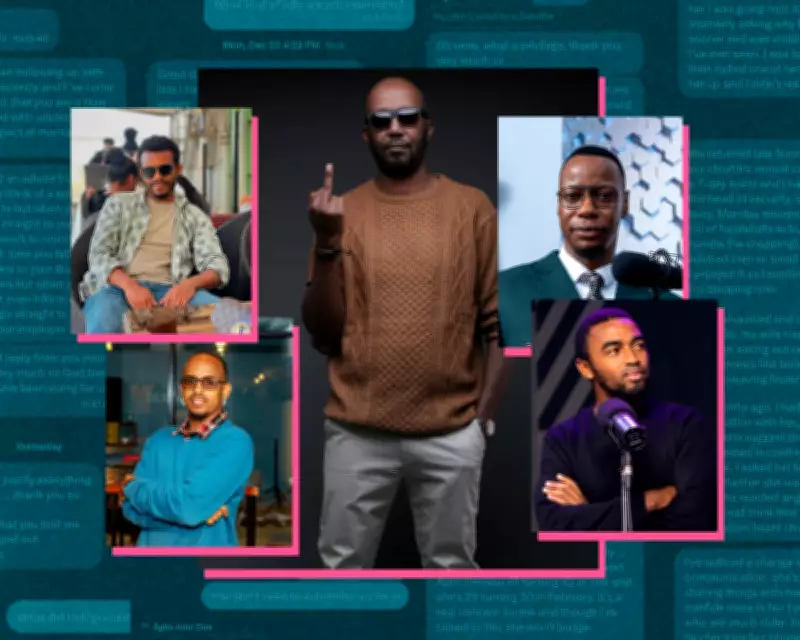
The Global Reach of Online Misogyny
While high-profile figures like Myron Gaines and HStikkytokky from the US and UK manosphere often dominate headlines, a deeper and darker global problem of online misogyny persists largely unnoticed. These influencers, though brash and offensive, represent only the visible tip of a vast iceberg of abuse targeting women worldwide.
Beyond the Glamorous Figureheads
The documentary Inside the Manosphere by Louis Theroux highlights the disturbing reality of men degrading women and manipulating young audiences. However, the cultural obsession with these few prominent personalities distracts from the extensive, murky depths of the internet where abuse, threats, and sexualization of women and girls thrive with minimal media coverage.
Women in public roles, such as politicians, journalists, and activists, are particularly vulnerable to online harassment. This forces many to either withdraw from digital spaces or develop a thicker skin, silencing their voices and posing a significant threat to democratic processes.

A Worldwide Crisis
In Ethiopia, women identifying as feminists or simply maintaining an online presence face intense campaigns of abuse, including death threats. For some, the danger has escalated to the point of fleeing the country, as reported by journalist Aisha Down.
Across Africa, where a burgeoning manosphere exists, activists are urgently calling for action against digital violence. While some cybercrime laws are used to prosecute cases, there is a critical need for legislation explicitly addressing gendered abuse to combat this widespread issue effectively.
Call for Robust Responses
Addressing a crisis of this magnitude requires coordinated efforts from lawmakers, tech companies, and researchers. Although some individuals are already engaged in the hard, unglamorous work of driving change, their efforts deserve greater attention and support. It is essential to move beyond merely observing the sordid details of manfluencers and instead focus on strategies to resist and counteract their harmful views.
Spotlight on Sudan's Humanitarian Crisis
As the war in Sudan enters its fourth year, the UN's top official in the country, Denise Brown, has labeled efforts to end the conflict as bloody unacceptable. New reports confirm that the world's largest humanitarian crisis is worsening, with millions surviving on just one meal a day. At a recent conference in Berlin, countries including the UK called for an end to the bloodshed, but hopes for a ceasefire and a diplomatic path to peace remain fragile.
Additional Global Issues
- Soaring rents and lengthy commutes exacerbate the housing crisis in Lagos.
- Migrant workers in India face food shortages amid the Iran war fuel crisis.
- Senegal's anti-gay law jeopardizes decades of HIV progress.
- Hundreds of Gaza amputees are stranded in Egypt without adequate care.
- A Guardian investigation exposed child sex trafficking on Facebook and Instagram.
International Journalism Festival Focus
Editors from around the world are gathering in Perugia, Italy, for the International Journalism Festival to discuss pressing issues, including AI's impact, disinformation, and misogynistic attacks. Tracy McVeigh, editor of Global development at the Guardian, will join a panel titled Rewriting her story: how news coverage can fight, not fuel, violence against women, available via live stream and on-demand.
In conclusion, while the Maasai welcome the first rains, the threat of drought looms large, symbolizing the ongoing challenges faced globally. The fight against online misogyny and other crises requires sustained attention and action from all sectors of society.






