Justice Department Abandons Prosecution of Veteran Who Burned US Flag
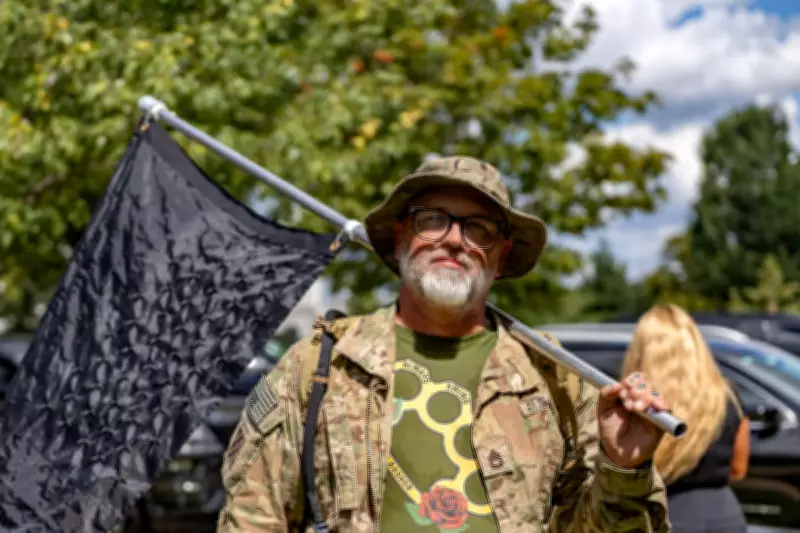
The United States Department of Justice has officially moved to dismiss all charges against Jan "Jay" Carey, a 55-year-old military combat veteran who set fire to an American flag in a public protest. This decision comes after Carey's dramatic act of civil disobedience in Washington DC's Lafayette Square, directly opposing former President Donald Trump's executive order that sought to criminalize flag burning.
Protest Against Presidential Directive
On that August day, as Trump signed the controversial presidential order aimed at cracking down on flag desecration, Carey took his stand in the shadow of the White House. "I'm burning this flag as a protest to that illegal fascist president that sits in that house," Carey declared to gathered onlookers before igniting the flag. His protest resulted in immediate arrest by DC police officers.
Carey, who served his country in multiple combat zones including Iraq, Bosnia, and Afghanistan, explained his motivation clearly: "This was a direct protest about an illegal order that President Trump tried to put in place. I did not do this just for myself, but for everyone who believes in the constitution and the protections for all that it provides."

Constitutional Protection and Legal Victory
The justice department offered no public explanation for dropping the case against Carey, but the timing is significant. The dismissal occurred just days before a Monday deadline requiring prosecutors to respond to claims from Carey's legal team that his First Amendment rights had been improperly targeted.
Mara Verheyden-Hilliard, Carey's pro bono attorney, celebrated the outcome as a substantial constitutional victory. "This is a very significant victory for not only the first amendment rights of Mr Carey but the rights of all Americans to stand up and speak out on issues that they care about without being targeted for punishment by the justice department," she told NBC News.
Verheyden-Hilliard further argued that her client had been prosecuted "at the whims and the directives of a president who has said that he disfavors a particular viewpoint," suggesting political motivations behind the original charges.
Historical Context and Executive Order
Flag burning has enjoyed constitutional protection since the landmark 1989 Supreme Court ruling that recognized the act as symbolic speech under the First Amendment. Despite this established precedent, Trump's executive order directed then-Attorney General Pam Bondi to "vigorously prosecute" those who burn the flag.
The order itself contained strong language condemning flag burning: "It is a statement of contempt, hostility, and violence against our nation – the clearest possible expression of opposition to the political union that preserves our rights, liberty, and security. Burning this representation of America may incite violence and riot."
This case highlights the ongoing tension between executive authority and constitutional protections, particularly regarding freedom of expression. Carey's military service adds another layer to the narrative, presenting the image of a veteran willing to defend constitutional principles through controversial means.
The dismissal represents not just a personal victory for Carey, but potentially establishes important boundaries regarding how far the justice department can go in pursuing cases that many legal experts consider protected speech. As the nation continues to debate the limits of protest and expression, this case serves as a reminder of the enduring power of First Amendment protections in American democracy.