Kuwait Arrests Journalist Over Friendly Fire Report, Raising Free Speech Alarms
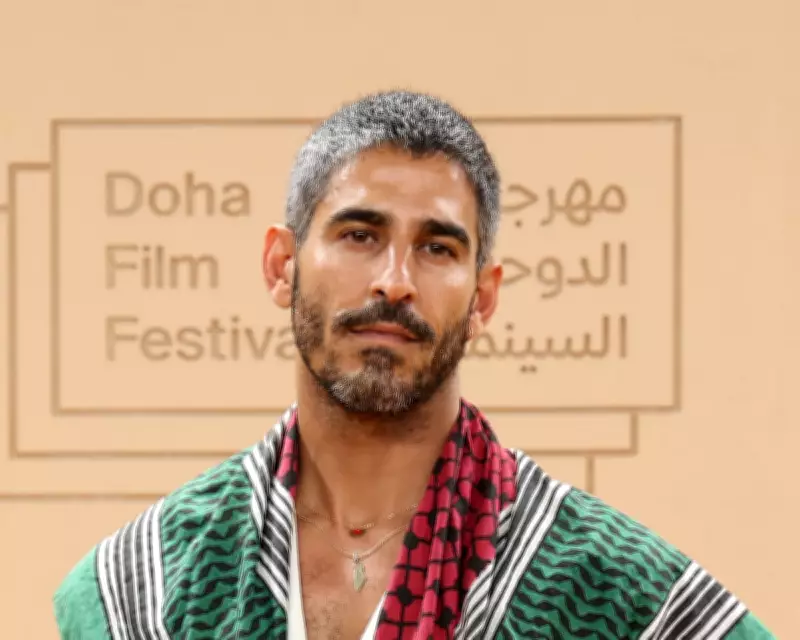
The detention of Ahmed Shihab-Eldin, an award-winning international journalist, in Kuwait is intensifying concerns about a broader suppression of press freedoms across the Middle East, linked to the ongoing US-Israel conflict with Iran. According to the Committee to Protect Journalists, Shihab-Eldin was arrested on March 3 during a short visit to Kuwait, following his publication of footage showing a US Air Force F-15E Strike Eagle crash near Kuwait City.
Details of the Incident and Reporting
Shihab-Eldin, who holds both US citizenship and Kuwaiti nationality, reported on his Substack that the pilot and weapons officer survived the crash, with local residents assisting one crew member in a civilian truck. This incident occurred on March 2, when three US planes were mistakenly shot down by Kuwaiti air defenses in a friendly fire episode, with no fatalities among the pilots.
Campaigners now fear that Shihab-Eldin may face charges under newly enacted security laws in Kuwait, potentially in a specialized security court. Many Gulf states, including Kuwait, are increasingly utilizing anti-terrorism legislation to limit coverage of attacks on national infrastructure, citing concerns over internal unity.

Background and Career of the Journalist
Ahmed Shihab-Eldin has built a distinguished career with prominent media outlets such as PBS, HuffPost, and Al Jazeera English. His work has earned him accolades, including an Amnesty International award and a British Journalism award. Additionally, he has served as an adjunct lecturer at the Columbia University Graduate School of Journalism. Known for his vocal support of Palestinians in Gaza and criticism of the Israeli government, Shihab-Eldin has argued that Israel is "pushing harder than ever for a wider war to distract from its genocide and reshaping of the regional balance of power."
Reactions from Human Rights Organizations
Sara Qudah, the Middle East regional director for the Committee to Protect Journalists, stated, "We are seeing escalating censorship of journalists and news outlets across the world in relation to the Iran war, including in the Gulf. National security is being used as a pretext to crack down on freedom of speech and Shihab-Eldin’s detention is emblematic of that. He must be freed immediately."
Ashish Prashar, a former adviser to the Middle East peace envoy, emphasized, "To imprison a journalist arbitrarily and label their work as terrorism or endangering national security is a grave misstep. The state department and the UK Foreign Office need to demand the release of all media workers from their allies in the Gulf. Anything less would be an abandonment of their ethical obligations and endorsement of authoritarian practices."
Broader Context of Repression in Kuwait
The Gulf Centre for Human Rights has reported dozens of arbitrary arrests in Kuwait, describing a systematic pattern of repression. According to the organization, these policies have "transformed Kuwait, once relatively free in terms of public freedoms compared to its neighbours, into a police state, that suppresses dissenting opinions, imprisons those who express them and uses citizenship as a weapon to punish public opponents."
Kuwait has recently passed two new laws: one defines terrorism as spreading terror by endangering societal safety, while another imposes severe fines and sentences for publishing false rumors about military entities. These measures contrast with Article 36 of the Kuwaiti constitution, which guarantees freedom of opinion and expression.
Regional Tensions and Citizenship Issues
Amidst these developments, Kuwait has been using citizenship laws to expel alleged dissidents or so-called terror cells, partly to counter Iranian accusations that it allows US bases on its soil for attacks against Iran. Emir Sheikh Meshal al-Ahmad al-Jaber Al Sabah asserted on March 9 that Kuwait has not permitted its territory to be used for military activities against Iran.

However, videos showing Himars missiles allegedly fired from Kuwait into Iran have circulated widely, including on reputable news platforms like France 24. In late March, Iran targeted Kuwaiti infrastructure, striking an oil tanker, a desalination plant, a port, and fuel storage tanks, highlighting the region's volatility.
Additionally, Kuwait announced the withdrawal of citizenship from over 2,000 individuals and their families this month, alongside reforms to its nationality law. Visas for Iraqi citizens were revoked after protests at the Kuwait consulate in Basra, following a missile attack of unknown origin that killed three people.
This situation underscores the escalating challenges to press freedom and human rights in Kuwait, as the country navigates complex geopolitical tensions and internal security measures.