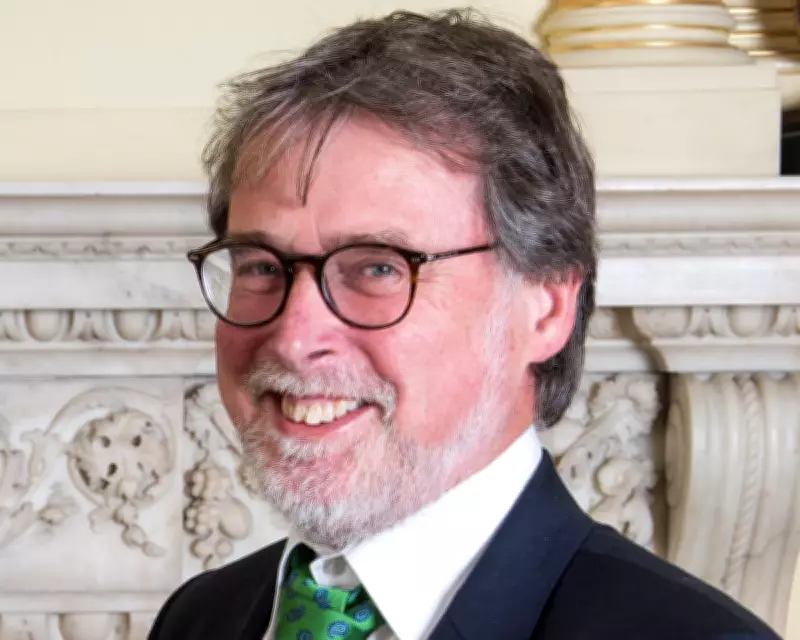
Expert Witness in Lucy Letby Trial Did Not Disclose Hospital Investigation
Cheshire police and the Crown Prosecution Service have confirmed they were not informed about a formal investigation into the medical work of Professor Peter Hindmarsh before he provided crucial evidence in the trial of former nurse Lucy Letby. The investigation, conducted by University College London Hospitals NHS Trust with involvement from Great Ormond Street Hospital, examined multiple serious concerns, including allegations that Hindmarsh harmed patients.
Disclosure Rules Violated
Rules governing criminal cases require expert witnesses to disclose anything that might undermine their opinion or detract from their credibility to the side they are testifying for. Senior lawyers have emphasized that these disclosure duties typically include investigations by an expert's employer, such as the one into Hindmarsh's professional conduct.
Glyn Maddocks KC, joint secretary of the all-party parliamentary group on miscarriages of justice, stated: "As I understand the rules, in order to be open and transparent with the court, this expert should have disclosed this investigation, so that its relevance and importance could be assessed. It's vitally important that the integrity of experts is retained at all times."

Tim Green KC, a barrister experienced in disclosure rules, noted that while he could not comment on the specifics of the Letby case, an expert would generally be expected to disclose an internal investigation by their employer, especially if it reached an adverse conclusion.
Hindmarsh's Role and Termination
Professor Hindmarsh was one of eight expert witnesses for the prosecution in the trial of Lucy Letby, who was convicted of murdering seven babies and attempting to murder seven others in the neonatal unit of the Countess of Chester Hospital. Hindmarsh provided key evidence supporting the prosecution's case that Letby attempted to murder two babies, referred to as F and L, by injecting insulin into their fluid bags.
Hindmarsh was a consultant paediatric endocrinologist and clinical director for paediatrics at University College London Hospital, with an honorary consultant role at Great Ormond Street Hospital. However, his contract was terminated by the hospital in July 2022, four months before he testified in the trial. Cheshire police confirmed that Hindmarsh did not disclose this termination to them.
Delayed Disclosure and GMC Investigation
When Hindmarsh first appeared as an expert witness in November 2022, he was asked about his role at Great Ormond Street but did not clarify that his contract had been terminated. Great Ormond Street later referred concerns about Hindmarsh to the General Medical Council, which opened an investigation into his fitness to practise on the same day he gave evidence.
Hindmarsh disclosed the GMC investigation to Cheshire police on December 14, 2022, which both the police and CPS stated was his first disclosure. The jury at the trial was never informed of the investigations. The allegations against Hindmarsh were never fully adjudicated, as he removed himself from the GMC register in November 2024 through voluntary erasure.
Impact on Letby's Case
The two insulin cases where Hindmarsh testified were pivotal in Letby's conviction, with two of the three guilty verdicts being unanimous. Letby has maintained her innocence, and her lawyer, Mark McDonald, submitted an application to the Criminal Cases Review Commission arguing that the convictions were unsafe, supported by reports from 27 experts who claim the prosecution's medical evidence was incorrect.
McDonald stated he would now submit Hindmarsh's non-disclosure as further evidence in support of the CCRC application, expressing astonishment at the failure to disclose the investigation and contract termination. A representative for Hindmarsh declined to comment on the disclosure issues when questioned by the Guardian.