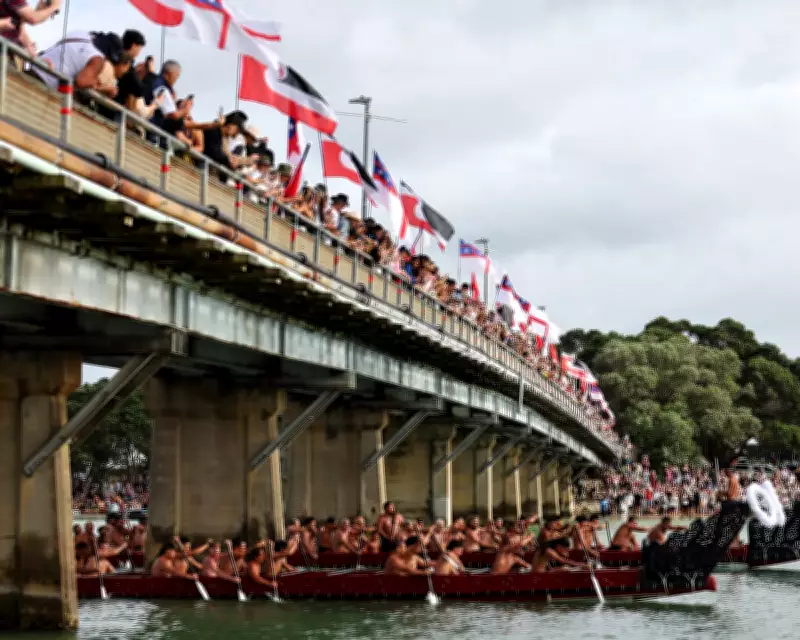
Waitangi Day Observances Marked by Maori Indifference Towards Prime Minister
In a striking development during the annual Waitangi Day commemorations, Maori communities across New Zealand greeted the country's Prime Minister with a palpable sense of indifference. This reaction, observed at various events and gatherings, underscores the deep-seated tensions that persist between the government and indigenous groups over the implementation of the Treaty of Waitangi and related policies.
Background to the Treaty and Its Modern-Day Implications
Waitangi Day, celebrated on February 6th, marks the signing of the Treaty of Waitangi in 1840, a foundational document that established British sovereignty in New Zealand while guaranteeing Maori rights to their lands and resources. Over the years, the day has evolved into a national holiday that often serves as a platform for political discourse and protest, highlighting unresolved issues and grievances.
The current Prime Minister's administration has faced criticism from Maori leaders for what they perceive as inadequate progress on treaty settlements, land rights, and social equity measures. This has led to a growing disillusionment among many Maori, who feel their concerns are not being adequately addressed in national policymaking.

Analysis of the Indifferent Response
The indifferent greeting extended to the Prime Minister during Waitangi Day events is not merely a passive reaction but a calculated statement of discontent. Unlike previous years, which have seen more overt protests or enthusiastic welcomes, this year's subdued response suggests a shift in strategy among Maori communities. It reflects a weariness with traditional forms of engagement and a desire for more substantive action from the government.
Observers note that the indifference was particularly evident in formal ceremonies and informal interactions, where Maori attendees often avoided direct engagement with the Prime Minister, instead focusing on internal community discussions and cultural performances. This behaviour signals a prioritisation of self-determination and cultural preservation over political niceties.
Broader Implications for New Zealand's Social Fabric
This development has significant implications for New Zealand's social and political landscape. It highlights the ongoing challenges in reconciling historical injustices with contemporary governance, a process that is crucial for national unity and progress. The indifferent response may prompt the government to reassess its approach to Maori relations, potentially leading to renewed negotiations or policy reforms.
Moreover, it raises questions about the effectiveness of current dialogue mechanisms and the need for more inclusive and respectful partnerships between the state and indigenous peoples. As New Zealand continues to navigate its multicultural identity, events like these serve as a reminder of the importance of addressing core issues rather than superficial gestures.
Looking Ahead: Potential Pathways Forward
In response to the indifference displayed on Waitangi Day, there is an opportunity for both the government and Maori communities to forge a more constructive path forward. This could involve:
- Enhanced Treaty Settlements: Accelerating the process of resolving historical claims to ensure fair compensation and recognition for Maori.
- Policy Co-creation: Involving Maori leaders more directly in the development of policies that affect their communities, from healthcare to education.
- Cultural Integration: Promoting greater awareness and respect for Maori culture within mainstream society to foster mutual understanding.
By addressing these areas, New Zealand can work towards a future where Waitangi Day is celebrated not with indifference, but with genuine collaboration and shared purpose.