In a dramatic development from the Jeffrey Epstein files, Ghislaine Maxwell has privately acknowledged the authenticity of the controversial photograph featuring Prince Andrew and Virginia Giuffre. This revelation directly contradicts her previous public statements and casts further doubt on the Duke of York's long-standing denials regarding the encounter.
Private Admission Versus Public Denial
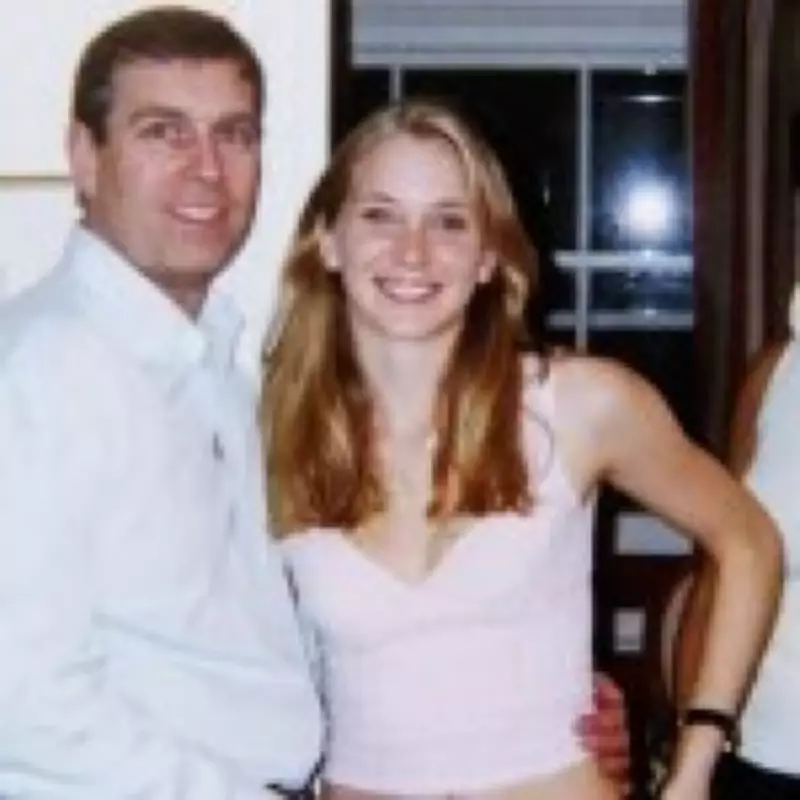
The newly disclosed documents reveal Maxwell drafting a statement with Epstein to counter mounting media allegations. In this private correspondence, she explicitly confirms that the photograph was indeed taken during a meeting at her Mayfair residence in 2001. 'Prince Andrew came to my house to visit me – (redacted) was in the house and they did meet,' Maxwell wrote, adding that 'a photograph was taken as I imagine she wanted to show it to friends and family.'
This private admission stands in stark contrast to Maxwell's public position. During a 2023 interview from prison, she had emphatically declared: 'It's a fake. I don't believe it's real for a second, in fact I'm sure it's not.' She had further claimed that only photocopies existed, with no original photograph available.

Undermining the Royal Alibi
The confirmation deals a significant blow to Prince Andrew's defence narrative, particularly his much-discussed 'Pizza Express alibi.' During his notorious 2019 BBC Newsnight interview, Andrew claimed he had been at a Woking Pizza Express with his daughter Beatrice at the time the photograph was supposedly taken. 'Going to Pizza Express in Woking is an unusual thing for me to do,' he asserted, suggesting this made the event memorable.
Maxwell's private admission that the photograph was genuine renders this alibi increasingly untenable. The Duke had previously questioned the image's validity while acknowledging his likeness in it, stating he was 'not one to hug' or display public affection. Despite these denials, Andrew eventually settled a civil sexual assault case with Giuffre for millions, having initially claimed never to have met her.
Contradictory Statements and Legal Strategy
The Epstein files reveal Maxwell's legal strategy discussions with her co-conspirator. In one exchange, Epstein questioned her draft statement, noting it left 'too many unanswered questions' about why Giuffre was present. Maxwell insisted she needed the statement 'asap' and was advised to say she was 'not aware of massage w/andrew in my house.'
Despite confirming the meeting occurred, Maxwell attempted to distance herself from more serious allegations. She claimed to have 'no knowledge' of Giuffre 'having sexual activity' with Andrew or other prominent figures. In her drafted defence, she characterised Giuffre's claims as 'lies' made 'purely for financial gain,' while complaining about 'relentless media harassment' affecting herself, Alan Dershowitz, and Prince Andrew.
The Broader Context of Epstein Documents
This revelation forms part of the ongoing release of documents related to Jeffrey Epstein's network. The files continue to provide new insights into the relationships and activities surrounding the convicted sex offender. Maxwell's contradictory statements – publicly denying the photograph's authenticity while privately confirming it – highlight the complex web of deception that characterised the Epstein operation.
The disclosure raises further questions about the consistency of statements from those connected to Epstein and adds another layer to the ongoing scrutiny of Prince Andrew's associations. As more documents emerge, they continue to challenge previous narratives and provide fresh evidence in one of the most scrutinised cases of recent years.