

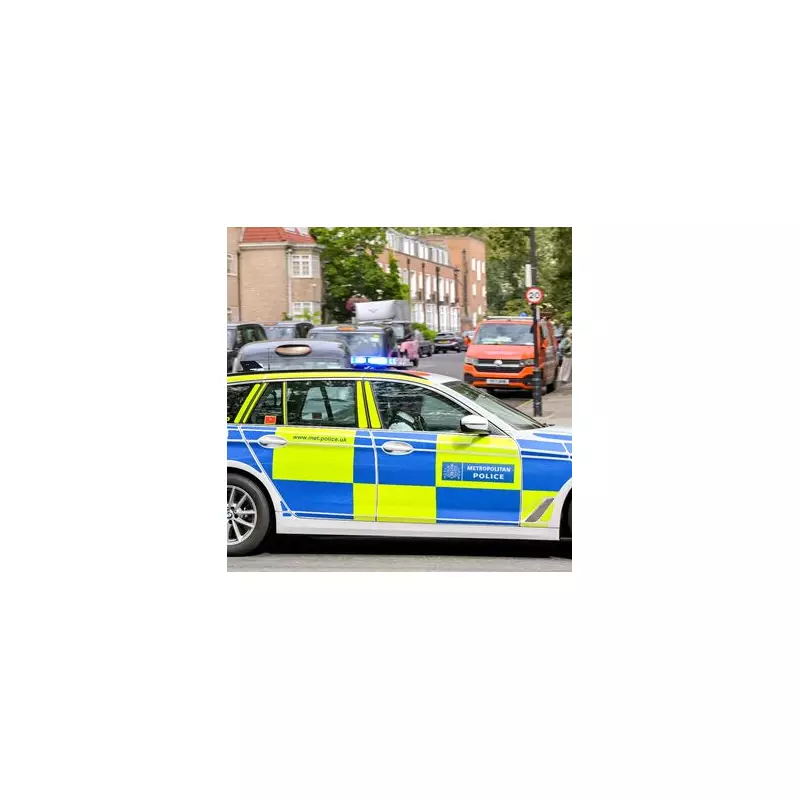
A scathing independent review has exposed significant failures in the vetting of officers and staff at the Metropolitan Police, Britain's largest police force. The report concludes that thousands of individuals were recruited without proper background checks during a government-driven push to rapidly increase officer numbers.
Pressure to Recruit Led to Dangerous Shortcuts
The investigation, which examined practices over a ten-year period up to March 2023, focused sharply on the national Police Uplift Programme (PUP). This scheme, running from July 2019 to March 2023, aimed to recruit 20,000 new officers across England and Wales to replace cuts made during austerity. Funding was ring-fenced, meaning forces would lose money if they failed to hit targets.
Faced with the challenge of recruiting 4,557 officers in just three-and-a-half years, senior Met leaders adopted an "assertive approach." The report states the focus was on "speed and output," which "unintentionally compromised integrity." This rush led to a series of decisions that, when combined, "inadvertently increased risk."

Shocking Scale of the Vetting Deviations
The review uncovered a catalogue of specific failures affecting a vast number of personnel. Key findings include:
- 5,073 officers and staff were affected by vetting deviations during the period.
- 4,528 had no Special Branch security checks.
- 431 former service personnel had no Ministry of Defence checks.
- 114 individuals had a vetting refusal overturned by an internal Met panel; of these, 25 later faced misconduct allegations or were accused of crimes.
- 17,355 officers and staff did not have their references properly checked between 2018 and April 2022.
The Met estimates that under normal practices, around 1,200 applicants out of roughly 27,300 would likely have been refused vetting. Furthermore, an internal assessment suggests that had references been checked properly, approximately 250 employees would not have been hired.
Consequences: Harm, Misconduct, and Eroded Trust
The report draws a direct line between these systemic failures and real-world harm. It concludes that the deviations "led to the recruitment and retention of individuals who should not have joined the MPS, contributing to police-perpetrated harm and public distrust."
Other problematic practices identified included automatically transferring officers from other forces without renewing checks, accepting outdated security clearances, and speeding up internal processes so much that essential checks on special constables were removed.
The force, under Commissioner Sir Mark Rowley who took charge in September 2022, has since embarked on a major clean-up operation. Rowley, who was also a senior officer at the Met between 2011 and 2018, has overseen the dismissal of around 1,500 officers for misconduct and standards issues.
In response to the report, Assistant Commissioner Rachel Williams stated: "We are being open and transparent about past vetting and recruitment practices that led, in some cases, to unsuitable people joining the Met... We identified these issues ourselves and have fixed them quickly." She emphasised that the vast majority of recruits are of exemplary character.
The review ultimately paints a picture of a force under immense political and financial pressure, leading to compromised standards that have had lasting repercussions for public confidence in London's police service.






