

Supreme Court to Hear Catholic Preschool Case Over Funding and LGBTQ+ Rights
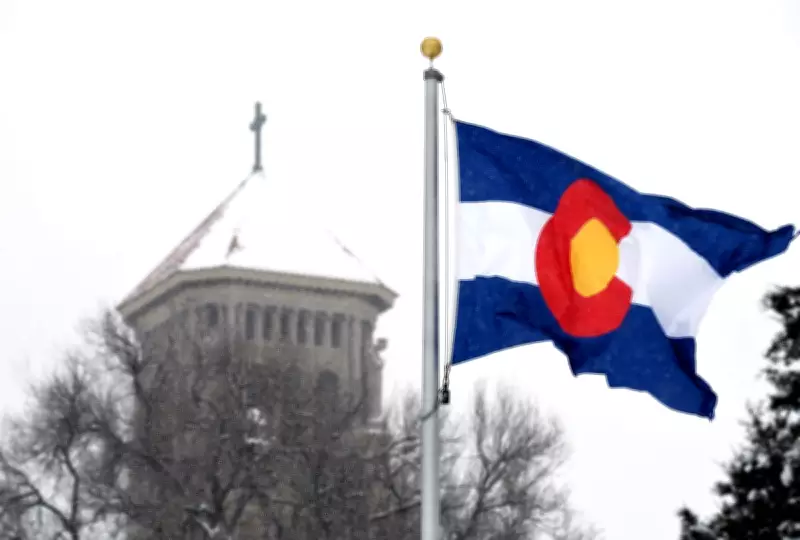
The US Supreme Court has agreed to hear a significant case involving Catholic preschools in Colorado, which claim that the state violated their religious rights by excluding them from a taxpayer-funded universal preschool program. This decision, announced on Monday, sets the stage for a major legal battle over the intersection of religious freedom and anti-discrimination laws.
Background of the Case
The case centers on St Mary Catholic Parish, supported by the Republican Trump administration and joined by the Archdiocese of Denver. These institutions argue that it is unconstitutional for Colorado to bar them from participating in a state-funded preschool program due to their faith-based admission policies, which restrict access for LGBTQ+ families and children. The program, established by a 2020 ballot measure, provides public funding for free preschool at centers chosen by parents, aiming to increase educational access across the state.
Colorado officials have stated that religious schools are welcome to join the program but must comply with nondiscrimination laws, which prohibit discrimination based on sexual orientation and gender identity. This requirement has sparked controversy, with the preschools asserting that it infringes on their religious beliefs and practices.

Legal Implications and Court Dynamics
This case represents the latest in a series of religious rights disputes before the conservative-majority Supreme Court. In recent years, the court has shown a tendency to support claims of religious discrimination while adopting a more skeptical stance toward LGBTQ+ rights. The outcome could have far-reaching implications for how religious institutions interact with public funding and anti-discrimination statutes nationwide.
As part of the proceedings, the court will also consider narrowing a landmark 1990 decision related to the spiritual use of peyote, a cactus containing the hallucinogen mescaline. That ruling, authored by the late conservative Justice Antonin Scalia, established that religious practices do not grant exemptions from broadly applicable laws. The justices have declined a request from the schools and a Catholic family in Colorado to overturn this precedent, indicating a focus on refining rather than discarding existing legal frameworks.
What to Expect Next
The case is scheduled to be heard in the fall, with arguments likely to delve into complex constitutional questions about the First Amendment's protection of religious exercise and the government's interest in preventing discrimination. Legal experts anticipate a closely watched decision that could reshape policies affecting religious schools and public funding programs across the United States.
This development underscores ongoing tensions between religious freedom and equality rights, highlighting the challenges in balancing these fundamental values in a diverse society. Stakeholders from both sides are preparing for a pivotal ruling that may set new precedents for future cases involving religion, education, and civil rights.






