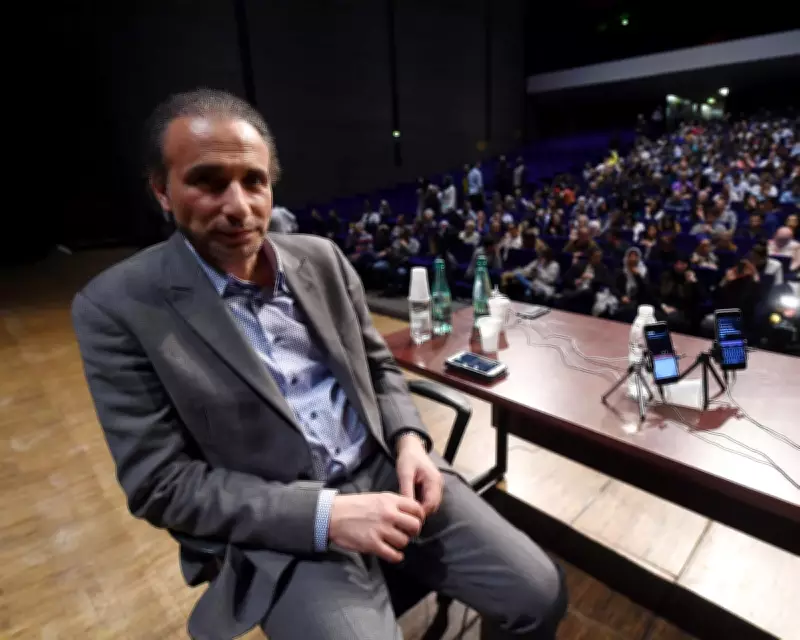
Tariq Ramadan Faces Paris Rape Trial, Denies All Charges
The prominent Swiss academic and Islam scholar Tariq Ramadan is set to go on trial in Paris on Monday, facing serious charges of raping three women in France between 2009 and 2016. Ramadan, who previously served as an adviser to British governments on Islam and society, vehemently denies all allegations in a case that has become one of the most significant repercussions of the #MeToo movement in France.
Background and Allegations
Ramadan, 63, was a professor of contemporary Islamic studies at the University of Oxford before taking a leave of absence in 2017 when initial rape allegations surfaced. He ultimately took early retirement from Oxford in June 2021. The trial centers on accusations from three women, with Ramadan facing up to 20 years in prison if convicted.
Henda Ayari, 41, a former Salafist Muslim turned feminist campaigner, first went to police in 2017, accusing Ramadan of rape, sexual violence, harassment, and intimidation. She alleges he raped her in a hotel room in eastern Paris during a spring 2012 conference where he was speaking.

Another woman, using the pseudonym Christelle, told investigators Ramadan raped her in a Lyon hotel room in October 2009 during another conference, describing the incident as a violent attack. A third woman came forward with allegations of rape occurring in 2016.
Legal Proceedings and Defense
Initially in 2017, Ramadan denied any sexual encounters with the first two women. However, in 2018 he changed his account, telling investigating judges that he did have sexual relations with Ayari and Christelle, but claimed they had sought the encounters and fully consented to what he described as a "dominant-submissive" relationship.
Sarah Mauger-Poliak, lawyer for Henda Ayari, emphasized to Agence-France Presse that the trial represents "not a conspiracy or political battle" but simply a case of rape. Meanwhile, lawyers for Christelle have requested the trial be held in private without media or public presence, a legal right in France intended to protect her identity and prevent harassment.
Ramadan's legal team has expressed concerns about his ability to receive a fair trial, telling AFP that his multiple sclerosis condition makes him unfit to appear in court without endangering his health.
Previous Conviction and International Context
In 2024, a Swiss appeals court found Ramadan guilty of raping a woman in a Geneva hotel in 2008, sentencing him to three years in prison with two years suspended. Switzerland's highest court upheld this conviction last year, prompting Ramadan's Swiss legal team to announce plans to take the case to the European Court of Human Rights.
The Paris trial represents another critical chapter in the legal challenges facing the once-influential academic, whose case has drawn international attention and sparked broader conversations about accountability, consent, and the lasting impact of the #MeToo movement across European institutions and academic circles.