Texas Escalates Legal Battle Against Abortion Pill Providers
In a significant escalation of its ongoing campaign against abortion access, the state of Texas has filed a lawsuit against a Delaware-based nurse practitioner, accusing her of illegally mailing abortion pills across state lines. The legal action represents the latest front in a nationwide conflict over reproductive rights that has intensified since the overturning of Roe v Wade.
Targeting Her Safe Harbor
The lawsuit specifically targets Debra Lynch, who operates an organization called Her Safe Harbor from Delaware. This group has been actively mailing abortion medications to women residing in states with restrictive abortion laws, including Texas. The Texas Attorney General's office is seeking a court order to prevent Lynch from "performing, inducing or attempting abortions" within Texas jurisdiction.
The legal basis for the action rests on Texas law, which only permits physicians to facilitate abortions in genuine medical emergencies. This restriction forms the cornerstone of the state's argument against Lynch's activities, which they claim violate both Texas abortion statutes and medical practice regulations.

Shield Laws and Interstate Conflict
This case highlights the growing tension between states with protective "shield laws" and those with abortion bans. Delaware, along with several other states including New York and California, has enacted legislation designed to protect abortion providers from out-of-state prosecutions. These laws have enabled the proliferation of organizations like Her Safe Harbor in the four years since federal abortion protections were dismantled.
However, the protections offered by shield laws vary significantly between states. While eight states clearly permit telemedicine prescriptions for abortion pills across state lines, Delaware's legislation has faced questions about its scope and application. The state expanded its shield law in late 2025 to clarify that officials cannot assist out-of-state investigations into abortion providers, potentially offering Lynch additional legal protection.
Pattern of Legal Action
Texas has previously pursued similar legal actions against abortion providers operating from other states. The state has already sued New York-based doctor Margaret Carpenter over allegations of mailing abortion pills into Texas, while Louisiana has indicted both Carpenter and California-based doctor Remy Coeytaux. These cases typically rely on allegations of specific abortion procedures, whereas the Texas case against Lynch focuses primarily on media statements and public admissions.
Legal experts note that the timing of Lynch's activities could prove crucial to the case's outcome. According to Mary Ziegler, a professor at the University of California, Davis School of Law who specializes in reproductive legal history, "The Texas case may then depend on when, exactly, Lynch mailed abortion pills into the red state." She added that prosecutors "doesn't sound like they know when any of the abortions happened," which could complicate their legal arguments.
Provider Defiance and Public Response
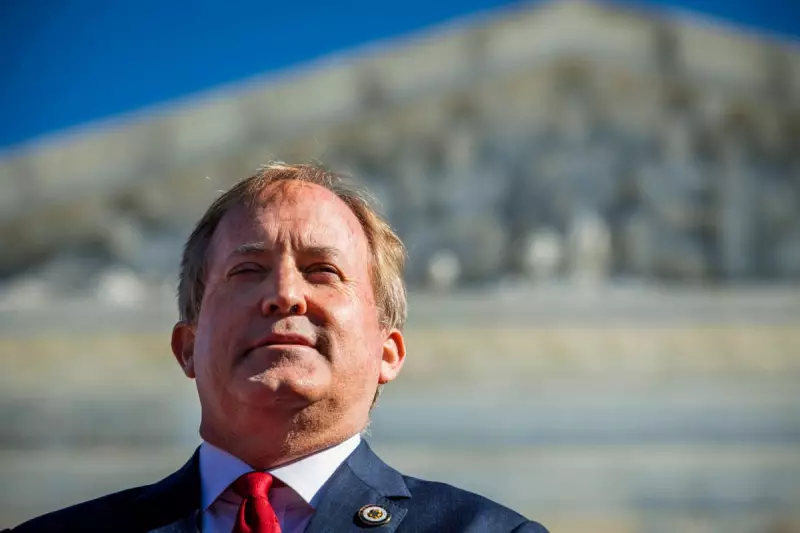
Despite receiving a cease-and-desist letter from Texas Attorney General Ken Paxton in August, Lynch has remained defiant about her organization's mission. Following the legal threat, she reported that Her Safe Harbor actually received more than 150 additional requests for pills from Texas residents within hours of the news breaking.
In previous statements to media outlets, Lynch has expressed unwavering commitment to her work, stating: "None of our providers are primarily concerned with our own wellbeing or our own legal status. All the horrors that women are facing because of these ridiculous bans and restrictions outweigh anything that could possibly happen to us as providers, in terms of a fine or a lawsuit or even jail time, if it were to come to that."
The lawsuit represents another chapter in the complex legal landscape surrounding abortion access in post-Roe America, where state laws increasingly conflict and providers navigate uncertain legal territory to offer reproductive healthcare across state boundaries.