

One Year After the Landmark Supreme Court Decision on Sex Definitions
Today marks exactly one year since the United Kingdom's Supreme Court delivered one of the most consequential and divisive rulings in its modern history. In a nationally televised announcement, Lord Hodge declared that the justices had determined the terms 'woman' and 'sex' within the 2010 Equality Act should be interpreted according to biological definitions. This judicial interpretation effectively meant that trans women would not be legally recognized as women under the act, potentially excluding them from accessing single-sex spaces and services.
The Lingering Uncertainty of Official Guidance
As this significant anniversary arrives, numerous critical questions remain unresolved. The government has yet to publish its official guidance regarding how single-sex spaces in public areas and services should be implemented, despite months of consultations with the Equality and Human Rights Commission. In a written statement released this Tuesday, Women and Equalities Minister Bridget Phillipson indicated that the document would be presented to Parliament 'as soon as practicable' following the elections scheduled for May 7.
Organizational Responses and Policy Shifts
While many institutions await formal guidelines before altering their approaches, numerous companies and organizations have already taken proactive measures based on the Supreme Court's interpretation. These actions have directly affected trans individuals across the United Kingdom throughout the past twelve months.

Girlguiding UK announced last December that trans girls would no longer be permitted to join their units, while trans women could not volunteer in women-only positions. The organization described this as a 'difficult decision' reached after 'detailed considerations, expert legal advice and input from senior members, young members.' Last month, they established a September deadline for all trans members to depart. The mother of a ten-year-old trans girl guide expressed that her daughter cannot comprehend why she is being excluded from a group where she previously felt accepted.
The Women's Institute followed suit just one day after Girlguiding's announcement, declaring that trans women could no longer become members. Chief Executive Melissa Green stated the decision was made 'with the utmost regret and sadness,' explaining that to continue operating as a legally recognized women's organization, they must restrict formal membership to biological women only. She emphasized that this policy change did not alter their belief that transgender women are women.
Sports Governing Bodies and Their Adjustments
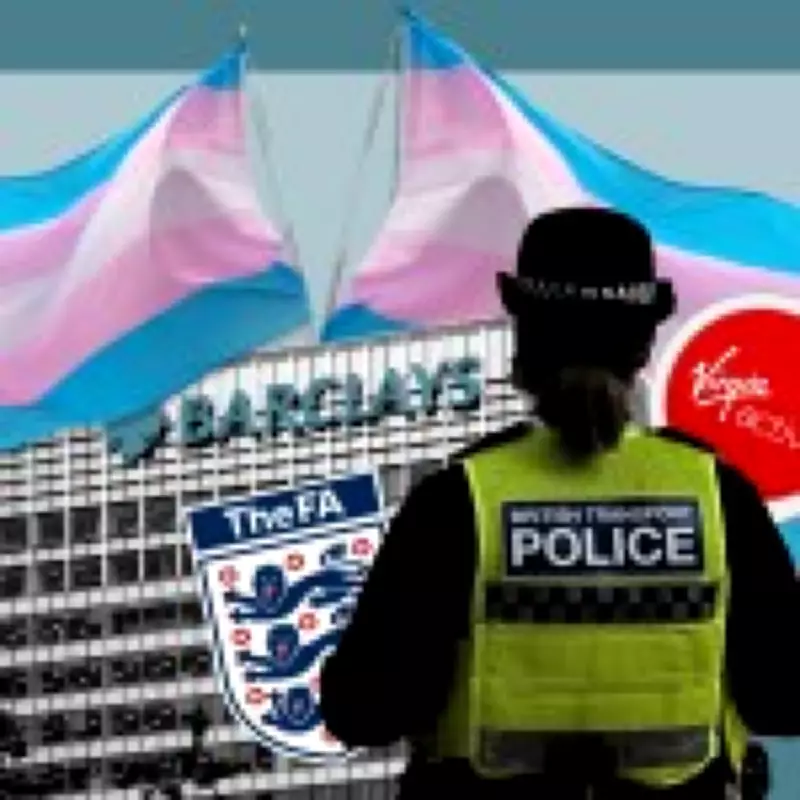
The Football Association permitted trans women to participate in women's football until early June last year. On May 1, just two weeks after the Supreme Court ruling, they announced changes directly resulting from what they termed a 'material change in the law.' The FA committed to contacting affected individuals 'to explain the changes and how they can continue to stay involved in the game.'
The England and Wales Cricket Board declared on May 2 last year that only biologically female players could compete in women's and girls' cricket matches. Transgender cricketers would still be allowed to participate in open and mixed cricket, with the governing body pledging to work with Recreational Cricket Boards to support those impacted by the regulatory change.
Corporate Policy Revisions and Legal Challenges
British Transport Police implemented an 'interim' guidance change shortly after the ruling, meaning male police officers would conduct searches of trans women, departing from previous protocols based on Gender Recognition Certificates.
Virgin Active updated its regulations in August after a complaint by GB News presenter Michelle Dewberry, who expressed discomfort sharing a changing room with a trans woman. The health club provider now states that members 'must select the changing room that matches their biological sex.' The Good Law Project initiated legal proceedings against Virgin Active in January over what they described as a 'transphobic bathroom ban.'

Barclays confirmed a new bathroom policy in their buildings during an April 2025 media call. CEO CS Venkatakrishnan explained the move was necessary for legal compliance while promising to 'strive in every way to make the appropriate facilities available in a comfortable way for people to use.'
The Profound Impact on Everyday Existence
According to advocacy organization TransActual, the consequences of last April's ruling extend far beyond formal policy changes at major institutions. Chay Brown, the organization's healthcare director, reported that 'within a week of the ruling, trans people were reporting that they'd been approached at work and asked to stop using toilets they'd been using for years, sometimes decades, without issue.'
Brown further explained that some individuals now face working from home 'simply because their workplace doesn't know what to do with them.' He described how 'suddenly, trans people were living with anxiety about doing the sorts of things many people would take for granted,' noting that ordinary activities like visiting cinemas or pubs now require risk assessment regarding potential objections or violent reactions from venues or the public.
'Put simply,' Brown concluded, 'trans people already faced a huge amount of discrimination at work and in the community and the ruling made things far worse.'





