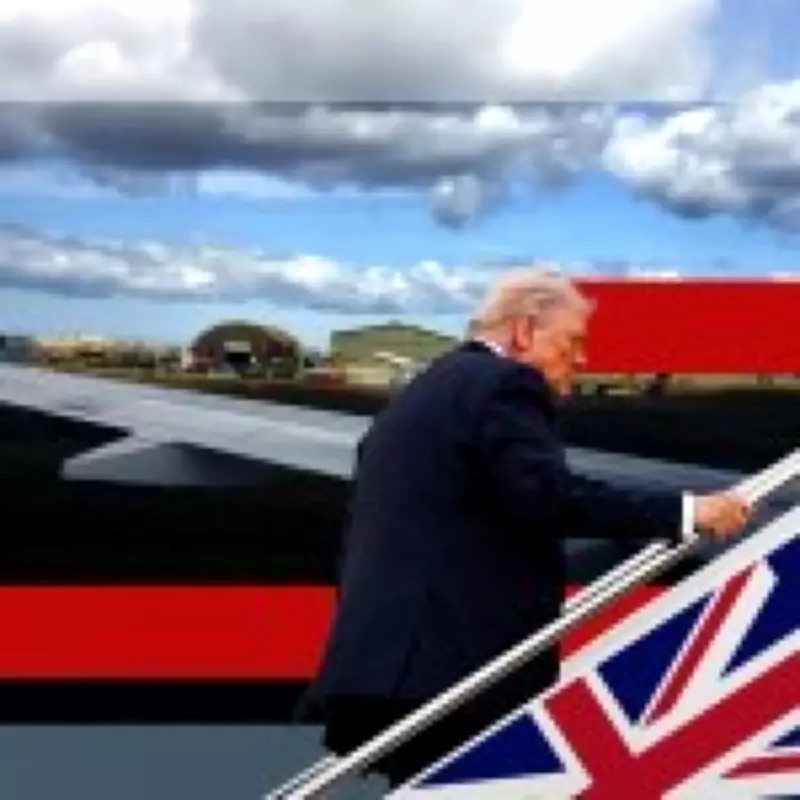
The Falkland Islands have been thrust into the geopolitical spotlight after reports emerged that the Trump administration is considering a shift in its long-standing support for British sovereignty over the remote South Atlantic archipelago. The islands, located approximately 300 miles off the coast of Argentina, have been a British Overseas Territory since 1833, but Argentina has persistently claimed them as Las Malvinas.
What Has Donald Trump Said About the Falklands?
The UK government does not consider itself a coloniser of the islands, while Argentina has labelled the British presence a 'hangover from the days of British imperialism.' The dispute over sovereignty escalated into the Falklands War in 1982, when Argentina invaded the islands. After a 74-day conflict ending in Argentine surrender, the United States has quietly recognised Britain's control while maintaining official neutrality.
However, a Pentagon email reportedly outlined options for Trump administration officials to retaliate against NATO allies that refused to support US-Israel attacks in Iran. The memo, revealed by an American official to Reuters, hinted that Washington could review its stance on London's claim to 'imperial possessions' such as the Falklands. Neither Trump nor the White House have commented directly on the issue.

What Would the Loss of US Support Mean?
The rumours of a potential US policy shift have already emboldened Argentina to renew calls for fresh Falklands talks with the UK. Argentina has long demanded the 'decolonisation' of the islands but has pledged not to use military force to resolve the dispute. Analysts warn that a withdrawal of US backing could weaken the UK's diplomatic position and encourage further Argentine pressure.
How Has the UK Government Responded?
The UK government has insisted that its position on the Falkland Islands remains unchanged. A spokesperson for 10 Downing Street stated: 'The Falkland Islands have previously voted overwhelmingly in favour of remaining a UK overseas territory, and we have always stood behind the islanders' right to self-determination and the fact that sovereignty rests with the UK. The question of the Falkland Islands and the UK's sovereignty and the islanders' right to self-determination is not in question, and we have expressed that position clearly and consistently.'
How Have the Falklands Responded?
The Falklands government, which administers the islands on behalf of the 3,662 residents, expressed confidence in the UK government's pledge. It said it had 'complete confidence in the commitment made by the UK government to uphold and defend our right of self-determination.' The diplomatic uproar comes just days before King Charles III and Queen Camilla are scheduled to travel to the US for a state visit hosted by President Trump.
Falklands War veteran Simon Weston, who was severely injured during the conflict, said he hopes the monarch will persuade Trump to 'back down' over the islands. Speaking to BBC Newsnight, Weston stated: 'I would hope that he [the King] would just kind of get him [Trump] to back down and calm down over the Falklands. What we do not need is [Argentine President Javier] Mr Milei to raise his sleeves and believe that aggression may work because that would just cost more lives.'