

Multi-Million Pound Fossil Seizure in Landmark Case
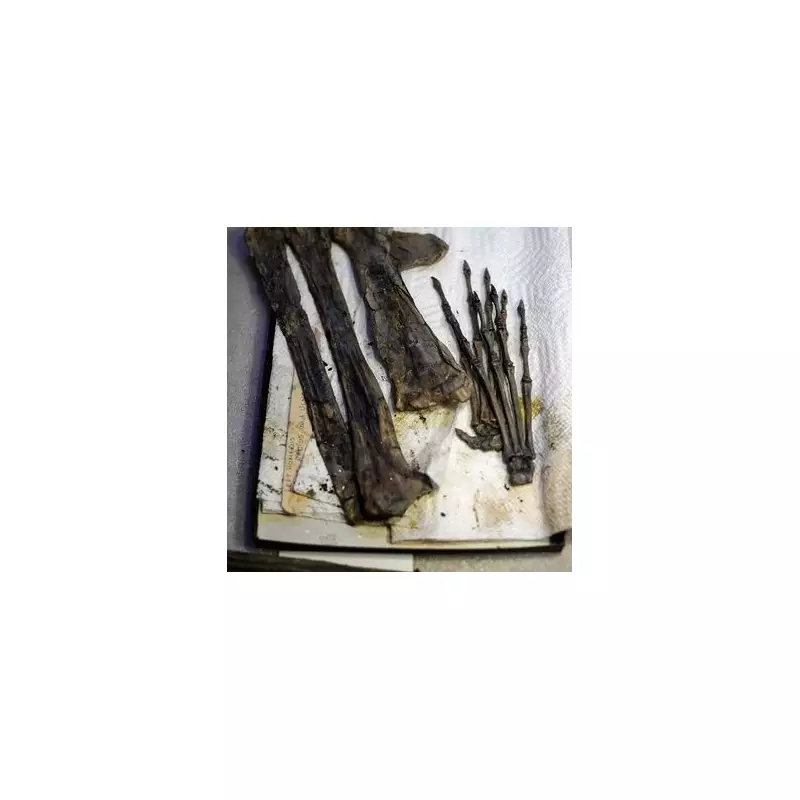
The National Crime Agency (NCA) has secured a major settlement, recovering assets worth an estimated £20-21 million from a Chinese businessman connected to a colossal money laundering investigation. The recovered items include three full dinosaur skeletons valued at a staggering £12.4 million, marking an unusual but highly valuable seizure.
The Singapore Connection and UK Legal Action
The case centres on Binghai Su, a 37-year-old currently residing in the UK. He was linked to Singapore's largest-ever money laundering probe, an operation that saw over 400 police officers conduct simultaneous raids on 15 August 2023. That investigation recovered more than $2 billion in criminal assets between 2023 and 2024. While Su was never charged in Singapore, the NCA took action in the UK.
In April 2025, the High Court granted the NCA an Unexplained Wealth Order (UWO), freezing Su's UK assets. Instead of challenging the UWO, Su, through his company Su Empire Limited, applied to have the order discharged. This led to a settlement agreement finalised on 5 November 2025.

The Recovered Assets and Settlement Terms
The assets deemed to represent the proceeds of crime are both extensive and exotic. The most notable items are the three dinosaur fossils: two Allosaurus skeletons (a juvenile and mother pair) and a Stegosaurus skeleton. These were purchased at auction for a total of £12.4 million in December 2024.
Other seized property includes:
- Nine London apartments bought for £15.7 million in 2024.
- A collection of 11 Chinese artworks acquired at auction for over £400,000 in 2022.
Under the settlement, the NCA will sell all the identified property. The agency will retain 75% of the proceeds, while Su will receive the remaining 25%. Binghai Su has also agreed to repay over £340,000 in rental income generated from the London apartments.
A Warning to Criminals: 'Whatever Form They Take'
Rob Burgess, the NCA's head of Asset Denial, commented on the unique nature of the recovery. He stated, “While the recovery of dinosaur fossils is unusual, they demonstrate the value of the Proceeds of Crime Act which allows us to recover suspected criminal assets, whatever form they take.”
He emphasised that the principle remains the same, whether the assets are cash, property, or prehistoric bones: preventing individuals from profiting from crime. This case underscores the powerful tools UK authorities have to pursue and reclaim illicit wealth, even when it is hidden in unconventional investments.






