

US Authorities Face Mounting Questions Over Epstein Case Inaction
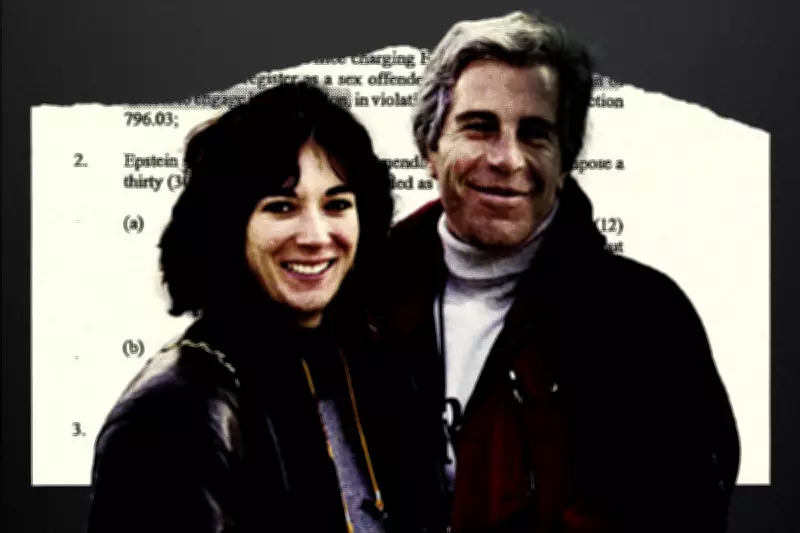
Federal authorities in the United States have faced increasing scrutiny for their failure to make any arrests related to Jeffrey Epstein since his accomplice Ghislaine Maxwell was apprehended in 2020. This stands in stark contrast to actions taken by British authorities against high-profile figures connected to the disgraced financier.
Contrasting Approaches: US Inaction Versus UK Prosecutions
While the United States Department of Justice has released over three million investigative documents related to Epstein's sex trafficking network, consequences for his associates have been limited to resignations and public apologies. This approach differs dramatically from the United Kingdom, where authorities have arrested prominent figures including former royal prince Andrew Mountbatten-Windsor and ex-Washington ambassador Peter Mandelson.
Neither of the UK arrests involved direct Epstein-related sexual misconduct allegations, with Mountbatten-Windsor specifically denying such claims in prior statements. The UK prosecutions instead focus on potential misuse of sensitive government information, demonstrating a different legal strategy than what victims and advocates have demanded in the United States.

Legal Experts Analyze Potential Reasons for US Inaction
Multiple legal professionals have offered explanations for the lack of federal arrests in the Epstein case. Kate Mangels, a partner at Kinsella Holley Iser Kump Steinsapir, suggests that federal prosecutors may have already made charging decisions based on documents they've possessed for years.
"The US Department of Justice has already reviewed these documents and made whatever determinations they've made as to the feasibility of bringing charges," Mangels explained. "The fact that documents are now being released doesn't necessarily change the DoJ position."
Joseph McNally, former federal prosecutor and current director of emerging litigation at McNicholas & McNicholas, expressed similar views, noting that the Southern District of New York has "very capable, aggressive prosecutors" who would have examined potential targets.
Potential Legal and Political Obstacles
Several factors may be contributing to the lack of federal action:
- Statute of limitations concerns for crimes that may have occurred years ago
- Insufficient evidence to prove allegations beyond reasonable doubt
- Political considerations within the Department of Justice
- Previous charging decisions that prosecutors may be reluctant to revisit
John Day, a defense attorney in New Mexico and former prosecutor, offered a more critical perspective: "The people who were allegedly involved with him are being arrested and prosecuted in the UK, and the people in the US who were involved with him apparently are being protected, which is tragic for the victims."
Department of Justice Leadership Under Scrutiny
The Department of Justice, led by Trump loyalist Pam Bondi, has faced accusations of insufficient action on the Epstein case. While Bondi reportedly told a congressional committee that "we have pending investigations in our office," details about these inquiries remain vague.
Spencer Kuvin of Goldlaw, who has represented multiple Epstein victims, expressed skepticism about current US leadership: "Unfortunately, I don't believe that the current administration will take any further action against potential perpetrators here in the US. It will take a change in administration before any true justice will occur."
Political Implications and Public Outrage
The Epstein case continues to generate significant public outrage and represents a political liability for former President Donald Trump, who was friends with Epstein until their falling out prior to the financier's Florida state-level prostitution case.
White House spokeswoman Abigail Jackson defended Trump's record, stating: "Just as President Trump has said, he's been totally exonerated on anything relating to Epstein." She claimed Trump has done more for Epstein's victims than anyone through document releases and supporting investigations.

Despite these assertions, the contrast between UK prosecutions and US inaction continues to raise questions about whether any potential co-conspirators will face accountability on American soil. Legal experts suggest that only significant changes in Department of Justice leadership or the emergence of new information might alter the current trajectory of the investigation.





