White House Faces Criticism Over Digitally Altered Protest Image
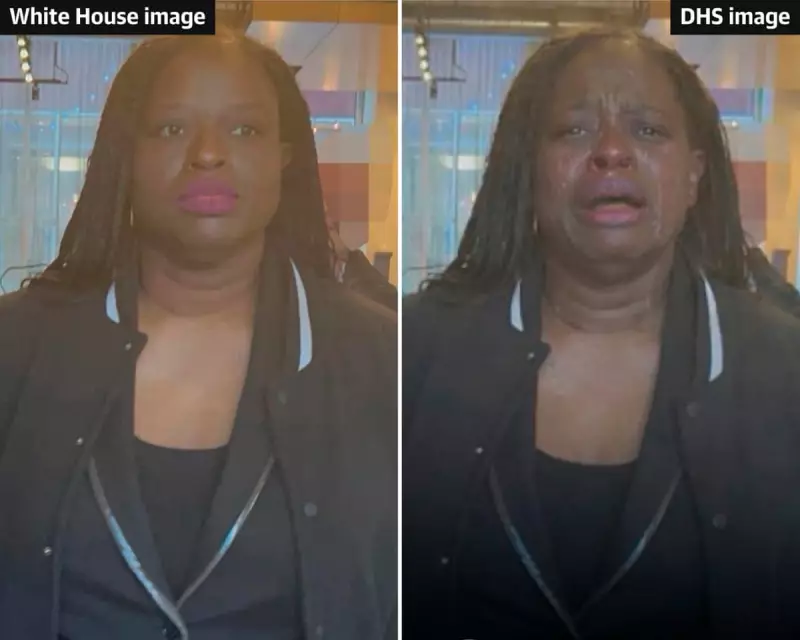
The White House has come under scrutiny after posting a digitally altered photograph of a woman arrested during an Immigration and Customs Enforcement (ICE) protest, according to a detailed analysis conducted by the Guardian. The image appears to have been manipulated to depict Nekima Levy Armstrong, one of three individuals arrested last Thursday, in a state of emotional distress, with her skin tone noticeably darkened in the modified version.
Arrests Following Church Service Disruption
Armstrong was taken into custody in connection with a demonstration that disrupted church services in St Paul, Minnesota, on Sunday. Protesters alleged that one of the pastors, David Easterwood, served as the acting field director of the St Paul ICE office. Attorney General Pam Bondi announced the arrests via social media on Thursday morning, highlighting the case as part of ongoing enforcement actions.
Comparison Reveals Digital Manipulation
Homeland Security Secretary Kristi Noem initially posted an image of Armstrong's arrest at 10.21am on Thursday, showing her being escorted by a law enforcement agent while appearing composed and dressed in all black. Approximately thirty minutes later, the White House shared a version of the same image where Armstrong is depicted crying. The Guardian's forensic analysis, which involved overlaying the two photographs, confirmed they are identical in composition, with the law enforcement agents and background elements aligning perfectly, indicating digital alteration rather than a separate photograph.

White House Response and Broader Context
When questioned about the authenticity of the image, the White House directed inquiries to a social media post by Kaelan Dorr, the deputy communications director, who defended the administration's stance on law enforcement. This incident adds to concerns about the use of artificial intelligence and digital manipulation in political communications, with reports indicating the White House social media accounts have utilised AI-generated content multiple times since the start of the current presidential term.
The alteration has sparked debate over ethical standards in governmental communications and the portrayal of individuals involved in legal proceedings, raising questions about transparency and accountability in the digital age.