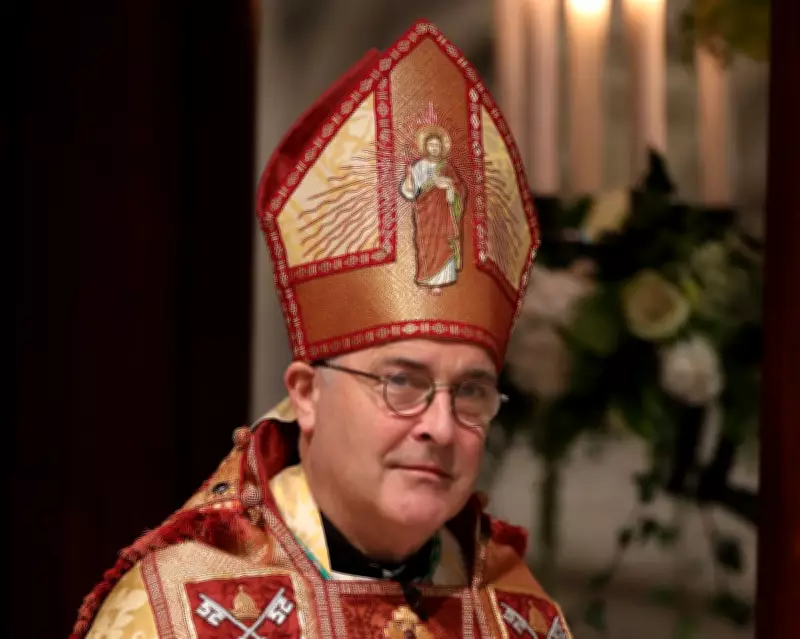
Archbishop of York Cleared of Misconduct in Sexual Abuse Case Handling
A church tribunal has cleared the Archbishop of York, Stephen Cottrell, of misconduct allegations concerning his handling of a priest with a history of sexual abuse. The tribunal acknowledged that errors were made but concluded they did not meet the threshold for formal misconduct.
Details of the Case and Tribunal Findings
The case centred on David Tudor, a priest who was barred from ministry for life in 2024 after admitting to sexual relationships with two teenage girls in the 1980s. Tudor had previously been suspended from ministry for five years in 1988 after confessing to having sex with a 16-year-old school pupil where he served as chaplain, before returning to church work in 1994.
Stephen Cottrell faced criticism for renewing Tudor's contract as area dean in Essex on two occasions during his oversight from 2010, despite being aware of Tudor's past abuse. A BBC investigation revealed that Cottrell knew Tudor had been banned from being alone with children and had paid £10,000 compensation to a sexual abuse victim.

In findings published on Thursday, Stephen Males, the church-appointed president of tribunals and a former Court of Appeal and High Court judge, stated that while some mistakes were regrettable, they were made in good faith and did not constitute misconduct. Males emphasised that Cottrell had no authority to remove Tudor from ministry and could not be held responsible for earlier decisions that allowed Tudor's return.
Cottrell's Response and Church Context
In response to the tribunal's decision, Archbishop Cottrell expressed regret and acknowledged lessons to be learned. He stated, "We all have much to learn from this case. There are some things I wish I had done differently." Cottrell specifically apologised for renewing Tudor's appointments in 2013 and 2018, recognising the pain this caused victims and survivors.
Church documents indicate that Cottrell was briefed about Tudor shortly after becoming Bishop of Chelmsford in 2010 and worked to minimise the risk he posed. Cottrell explained that since Tudor had already been reinstated and could not be removed, efforts focused on managing risk through safeguarding agreements and an independent assessment that classified Tudor as "low risk."
This case occurs against a backdrop of multiple abuse scandals that have affected the Church of England in recent years, contributing to the resignation of former leader Justin Welby in 2024. His successor, Sarah Mullally, the first female Archbishop of Canterbury, has pledged to address issues like misogyny while also facing scrutiny over safeguarding matters.
The tribunal's ruling highlights ongoing challenges within religious institutions regarding accountability and victim support in historical abuse cases.