

Al Quds Day March Banned in London Over Public Disorder Fears
The Home Secretary has approved a request from the Metropolitan Police to ban thousands of pro-Palestinian protesters from marching through central London for the annual Al Quds Day demonstration this Sunday. This decision marks the first time a protest march has been banned in the UK since 2012, highlighting the heightened tensions surrounding the event.
What is Al Quds Day?
Al Quds Day is an international event held each year to express solidarity with Palestine. It was established in 1979, shortly after the Iranian Revolution, by Ayatollah Ruhollah Khomeini, Iran's first supreme leader. The day is named after the Arabic name for Jerusalem and typically takes place on the last Friday of Ramadan. Protests and rallies are organized in various countries around the world to mark the occasion.
Organizers and Criticism
In the UK, the London rally is organized by the UK Al-Quds Committee, with the Islamic Human Rights Commission (IHRC) playing a prominent role. The IHRC, set up in 1997, describes itself as a non-profit organization advocating for justice for all peoples. However, the march has faced criticism in the past for apparent backing of the Iranian regime, with organizers expressing support for the late leader Ayatollah Ali Khamenei. Previous marches have seen participants flying flags of the Lebanese militant Hezbollah group and displaying signs with allegedly antisemitic messages, leading to arrests for supporting terrorist organizations and hate crimes.

Reasons for the Ban
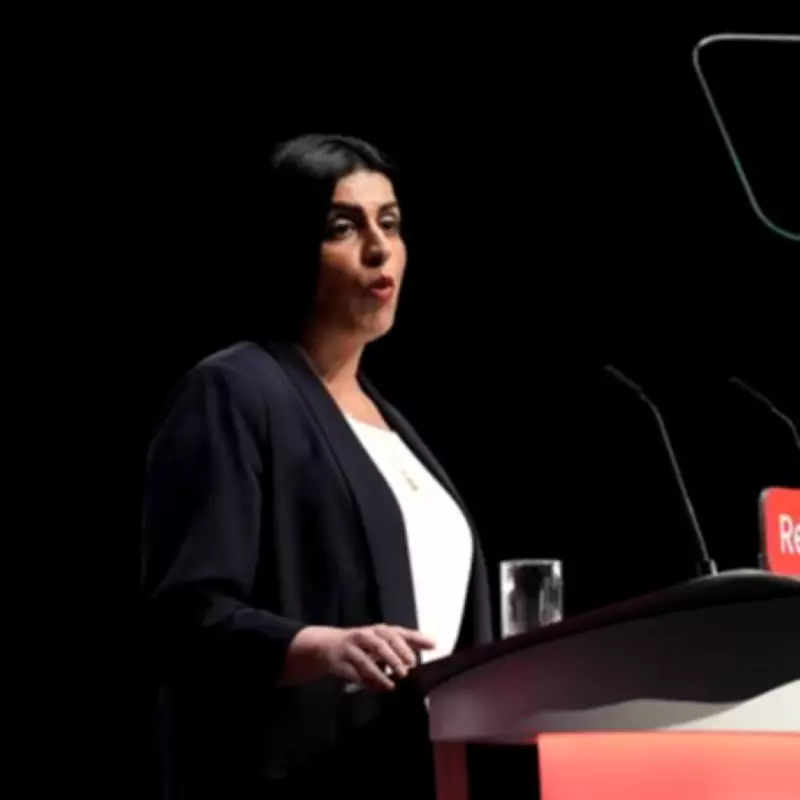
Home Secretary Shabana Mahmood stated that banning the march is "necessary to prevent serious public disorder" due to the scale of the protest and multiple counter-protests, in the context of the ongoing conflict in the Middle East. The Metropolitan Police cited "unique risks and challenges" for the 2026 march, referring to the volatile situation in the Middle East, where the Iranian regime has attacked British allies and military bases overseas. The force emphasized that security services have warned of threats from the Iranian regime, and placing conditions on the protest would not be sufficient to prevent disorder.
Response from Organizers
The IHRC has strongly condemned the decision to ban the Al Quds Day march, stating it is seeking legal advice and that the "decision will not go unchallenged." Despite the ban, the organization announced that a static protest will still proceed on Sunday, urging participants to continue preparations as planned.
Broader Implications
This ban underscores the delicate balance between the right to protest and public safety in times of geopolitical tension. With the ongoing conflict in Iran and broader Middle East issues, authorities are taking unprecedented steps to mitigate risks of violence and disruption in London. The move has sparked debate over freedom of expression and the limits of protest in a democratic society.






