

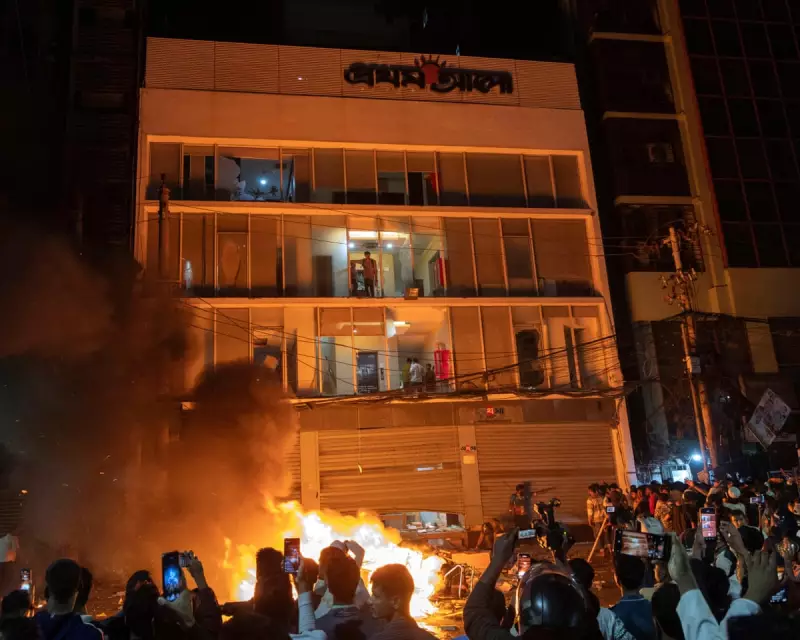
In a deeply troubling trend for democracy, journalists and civil society organisations in Bangladesh are facing a surge in violent attacks from orchestrated mobs. These incidents, which have escalated in recent months, are creating a climate of fear and intimidation, severely hampering independent reporting and critical discourse.
A Pattern of Intimidation and Violence
The attacks follow a consistent and alarming pattern. Mobs, often numbering in the hundreds, descend on newspaper offices, the homes of editors, or the premises of non-governmental organisations. They typically chant slogans in support of the current government, led by Prime Minister Sheikh Hasina and her Awami League party, while issuing threats and sometimes causing significant property damage.
One prominent case occurred in late 2025, when the office of the newspaper Prothom Alo in the capital, Dhaka, was besieged. A large, aggressive crowd gathered outside, hurling abuse and threats at staff for their critical reporting. Similarly, the residence of a senior editor from the Bangla Tribune was targeted, with mob members demanding his arrest.

These are not isolated events. Reports indicate that at least 15 major newspapers and several prominent civil society groups have been subjected to such mob violence. The intimidation extends beyond physical presence; online harassment campaigns often accompany these physical attacks, creating a pervasive atmosphere of danger for those who speak out.
Government Response and Wider Context
The response from state authorities has been widely criticised as inadequate or complicit. In many instances, police are reported to have stood by and watched the violence unfold without intervention. There have been few, if any, arrests of the perpetrators, leading to accusations that the mobs are operating with implicit state approval or tolerance.
This crackdown occurs against a backdrop of tightening control over dissent in Bangladesh. The government has increasingly used the Digital Security Act (DSA), a controversial piece of legislation, to arrest journalists and activists for their online posts. The combination of legal prosecution and extra-legal mob violence presents a formidable dual threat to fundamental freedoms.
Analysts and human rights observers argue that these tactics are designed to silence criticism ahead of elections and to stifle any scrutiny of government policy. The space for a free press and a functioning civil society, essential pillars of any democracy, is rapidly shrinking.
Consequences for Democracy and Free Speech
The consequences of this sustained campaign are severe and far-reaching. Journalists are practising increasing self-censorship, fearing for their safety and that of their families. Vital reporting on governance, corruption, and human rights is being suppressed.
For civil society organisations, which play a crucial role in social development and holding power to account, the environment has become untenable. Their ability to operate independently and advocate for marginalised communities is being systematically undermined.
International human rights groups and press freedom watchdogs, including Reporters Without Borders (RSF) and Amnesty International, have raised the alarm. They call on the Bangladeshi government to uphold its constitutional and international obligations to protect freedom of expression and to hold the perpetrators of violence accountable.
The situation poses a critical test for Bangladesh's democratic institutions. Without urgent action to protect journalists and activists from both legal harassment and mob violence, the country's hard-won progress risks being irrevocably damaged.






