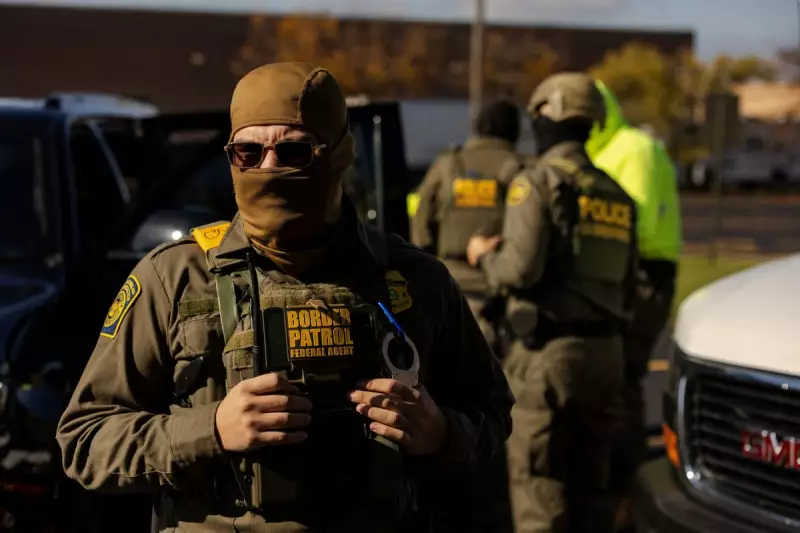
A federal judge has delivered a stern rebuke to US government agents after they forcibly detained journalists and legal observers during protests in Chicago, raising serious concerns about press freedom and constitutional rights.
Court Condemns "Unacceptable" Actions Against Media
US District Judge Sharon Johnson Coleman issued a forceful ruling that condemned federal officers for engaging in what she described as "unacceptable" conduct during demonstrations that erupted in Chicago. The judge specifically highlighted the targeting of individuals clearly identified as members of the press and legal observers.
The ruling came after multiple journalists documented being surrounded, detained, and threatened with arrest while attempting to cover widespread protests that had taken over Chicago streets. Court documents revealed that federal agents used aggressive tactics against reporters who were wearing visible press credentials and repeatedly identified themselves as working journalists.

Systematic Targeting of Press Personnel
Evidence presented to the court showed a pattern of behaviour where federal officers specifically singled out media representatives. Several journalists reported being threatened with arrest if they continued recording or photographing the protests, despite being in public spaces and clearly operating within their professional capacity.
One photographer described being surrounded by multiple federal agents who demanded he stop taking pictures of the demonstration. Legal observers, who monitor protests for civil liberties organisations, were similarly detained despite their clearly marked vests and identification.
Judge Coleman emphasised that the First Amendment protections for press freedom are not suspended during protests or civil unrest. "The ability of journalists to document events of public importance without fear of government interference lies at the very heart of our democratic principles," she stated in her ruling.
Broader Implications for Press Freedom
The Chicago incident represents part of a worrying trend where journalists face increasing obstacles and threats while covering demonstrations across the United States. Media advocacy groups have documented numerous cases of reporters being arrested, threatened with force, or prevented from doing their jobs during recent protests.
The judge's ruling establishes an important legal precedent regarding the protection of journalists during civil unrest. It reinforces that law enforcement agencies cannot use the cover of crowd control or public safety concerns to arbitrarily restrict press access to newsworthy events.
Media organisations and civil liberties groups have welcomed the court's decision, though they note that the problem requires continued vigilance. The ruling serves as a crucial reminder that constitutional protections remain in force even during times of social tension and that journalists play an indispensable role in documenting events of public significance.
As similar protests continue to occur in various cities, this case will likely be cited frequently in legal challenges against attempts to restrict media access or intimidate journalists performing their duties.