

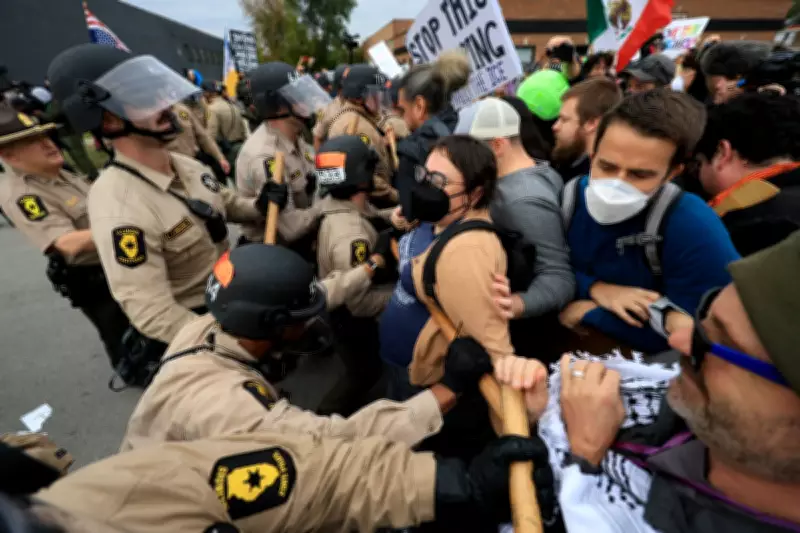
In the United Kingdom, the relationship between protest, dissent, and the law has a long and complex history, marked by evolving legal frameworks that often aim to balance civil liberties with public order. This analysis delves into how protest and dissent have been criminalised over time, reflecting broader societal and political shifts.
Historical Context of Protest Criminalisation
The criminalisation of protest in the UK can be traced back to various historical periods, where authorities have frequently used legal measures to suppress dissent. For instance, during the 19th century, laws such as the Combination Acts were enacted to restrict workers' rights to organise and protest, reflecting fears of social upheaval during the Industrial Revolution. Similarly, in the 20th century, events like the suffragette movement saw activists facing harsh penalties, including imprisonment, under public order offences.
Legal Frameworks and Their Evolution
Over the decades, the UK has developed a range of legal instruments to manage protest, often under the guise of maintaining public safety. Key legislation includes the Public Order Act 1986, which introduced offences related to violent disorder and affray, and more recently, the Police, Crime, Sentencing and Courts Act 2022, which has expanded police powers to impose conditions on protests deemed disruptive. These laws have been criticised by civil liberties groups for potentially stifling legitimate dissent and eroding the right to peaceful assembly.

Moreover, the use of anti-terrorism legislation, such as the Terrorism Act 2000, has sometimes been applied to protest activities, blurring the lines between security concerns and political repression. This trend highlights a broader pattern where legal definitions of protest can shift to include more forms of dissent under criminal categories.
Contemporary Trends and Societal Impacts
In recent years, there has been a noticeable increase in the criminalisation of protest in the UK, particularly in response to environmental and social justice movements. For example, activists involved in groups like Extinction Rebellion or Just Stop Oil have faced arrests and charges under laws targeting public nuisance or obstruction. This reflects a growing tension between state authority and grassroots activism, with debates centring on whether such measures protect public order or undermine democratic freedoms.
Case Studies and Public Response
Specific cases illustrate how protest criminalisation plays out in practice. The prosecution of climate protesters for blocking roads or gluing themselves to buildings has sparked public debate about the proportionality of legal responses. Similarly, during political demonstrations, such as those against government policies, participants have reported increased surveillance and restrictive policing tactics.
Public response to these trends has been mixed, with some arguing that stricter laws are necessary to prevent chaos, while others warn of a chilling effect on free speech and assembly. Surveys and reports from organisations like Liberty and Amnesty International have raised concerns about the erosion of civil liberties in the UK, linking it to global patterns of protest suppression.
Future Implications and Legal Debates
Looking ahead, the criminalisation of protest in the UK is likely to remain a contentious issue, especially as new technologies and social movements emerge. Legal experts predict ongoing debates over the balance between security and freedom, with potential reforms to protest laws on the horizon. The role of the judiciary in interpreting these laws will be crucial, as courts often serve as arbiters in disputes over the limits of dissent.
Furthermore, international comparisons show that the UK is not alone in grappling with these issues, but its specific legal history and political context shape unique challenges. As society evolves, the definition of what constitutes acceptable protest may continue to shift, influencing how dissent is criminalised or protected in the years to come.






