Iran Faces Mounting Pressure for Independent Inquiry into Protest Death Toll
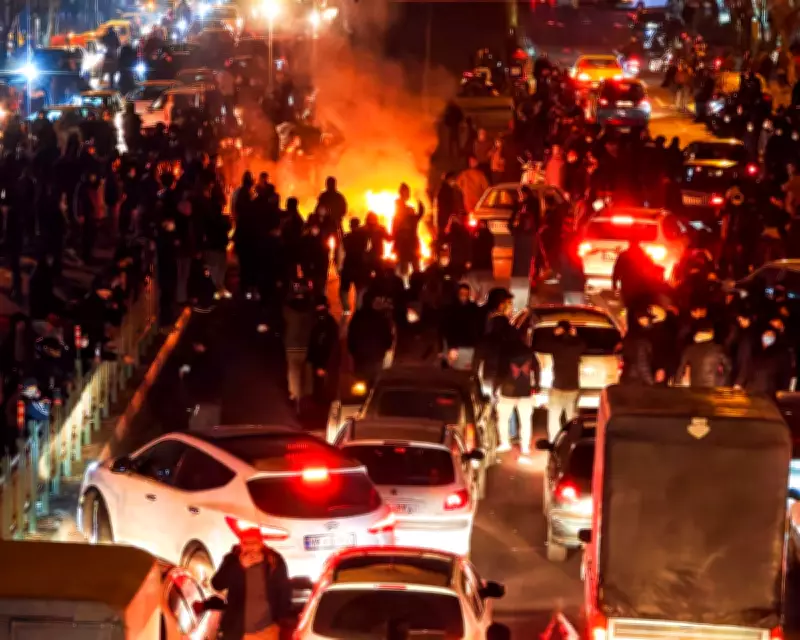
Calls are intensifying within Iran for an independent investigation into the number of fatalities during recent protests, following the government's announcement that it will oversee publication of the deceased's names. This highly unusual move, revealed on Thursday, aims to counter allegations of crimes against humanity and claims that up to 30,000 Iranians have been killed.
Disputed Figures and Government Response
The official death toll released by Iran's Martyr's Foundation stands at 3,117, which includes members of security services. However, numerous sources and observers claim the actual number could be as high as 30,000. The government's proposed identification process has been met with skepticism from reformists who argue it lacks sufficient transparency and is unlikely to resolve the ongoing dispute about casualty figures.
Mohsen Borhani, a Tehran University law professor and government critic who has served time in Evin prison, described the government proposal as a positive development compared to previous protests where Iranians "faced an absolute lack of information regarding the deceased and injured." Borhani suggested the most effective approach would involve creating a website where citizens could anonymously upload names and information about the deceased, with the site then verifying each entry.

Growing Distrust and International Calls
Ahmad Zeidabadi, a prominent reformist analyst, highlighted that distrust between the state and society has grown "so deep and wide" that many Iranians no longer accept official data. He proposed that the optimal solution would involve allowing the United Nations to send an unimpeachable fact-finding team to Iran, asking "Why not entrust this task to a legitimate international body so that the opposition forces and countries cannot easily cast doubt on it?"
The Reform Front, an alliance of reformist groupings that supported President Masoud Pezeshkian's election, has also called for an independent committee to investigate what they term "this unprecedented disaster" and present a transparent report to the Iranian nation.
Broader Context and Additional Concerns
In his first intervention on the matter, former president Hassan Rouhani stated that protests led by a generation born and raised in the Islamic Republic demonstrate the need for significant change. He called for the formation of political parties and an end to the filtering of electoral candidates.
Separately, an unofficial committee has been established to identify all those still in detention as security services continue nationwide sweeps for what they describe as protest ringleaders. While no official number exists for detainees, estimates suggest tens of thousands remain in custody.
Particular concerns have been raised about:
- The number of children under 18 being held, though official figures haven't been released
- Teaching union websites publishing photographs of every verified child fatality
- Lawyers reporting that most arrested individuals were born between 1980-1985 and served as primary family breadwinners
- Initial sentences ranging from two to five years being issued
- Many detainees coming from working-class families unable to afford required bail money
The Tehran teachers union issued a powerful statement claiming "in less than one week one of the bloodiest chapters of repression in contemporary Iranian history has unfolded" with "tens of thousands of children, women and men drenched in blood."
Reformist lawyer Ali Mojtahedzadeh emphasized that the government must address the root causes of distrust by building a stronger civil society, while families willing to identify fatalities face potential retribution, especially if they insist their relatives were killed by security services.