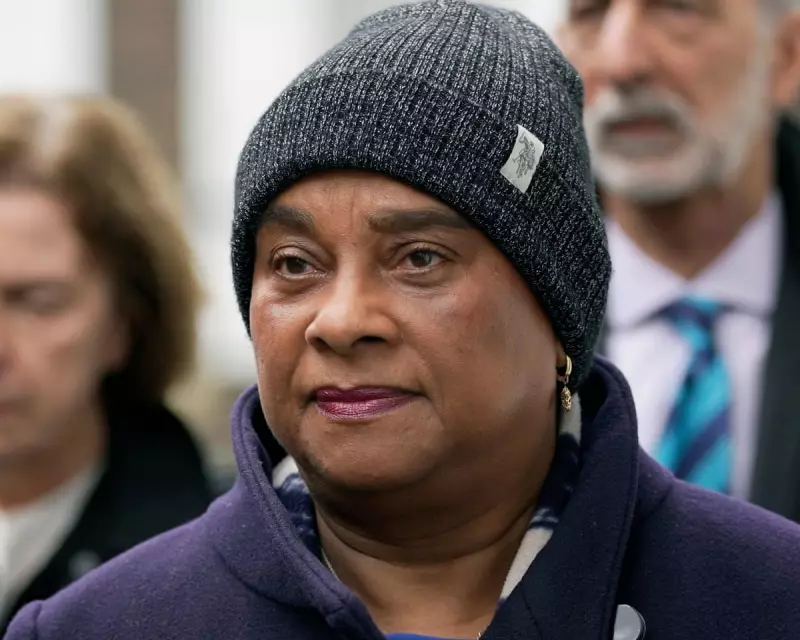
Baroness Doreen Lawrence has launched a powerful condemnation of a former undercover police officer who is refusing to testify publicly about surveillance operations targeting her family in the aftermath of her son's racist murder.
The prominent campaigner and mother of Stephen Lawrence described the unidentified officer as "cowardly" for seeking to give evidence anonymously to the ongoing Undercover Policing Inquiry, which is investigating decades of covert operations by British police forces.
Family Surveillance After Tragedy
The inquiry has revealed shocking details about how police spies monitored the Lawrence family during their campaign for justice following Stephen's murder in 1993. Rather than focusing resources on catching his killers, the Metropolitan Police deployed undercover units to gather intelligence on the grieving family and their supporters.

"How can you claim to be seeking the truth while hiding in the shadows?" Baroness Lawrence questioned during her emotional statement. "If you have nothing to hide, why refuse to face the public you supposedly served?"
Call for Transparency and Accountability
Lawrence's intervention comes at a critical moment for the inquiry, which must decide whether to grant the officer's request for anonymity. She argues that the public nature of the investigation is fundamental to restoring trust in policing, particularly among minority communities who have historically been targeted by such operations.
The campaigner emphasised that the officer's evidence could be crucial in understanding the full extent of the surveillance and the motivations behind it. She questioned whether the monitoring was intended to undermine the family's legitimate campaign for justice rather than serve any proper policing purpose.
Broader Pattern of Police Spying
The Lawrence case represents just one instance in a wider pattern of controversial undercover operations that targeted numerous families campaigning for justice, as well as political activists and environmental groups. The ongoing inquiry has already exposed how police spies engaged in deeply inappropriate relationships and adopted the identities of dead children.
Baroness Lawrence's powerful stance has drawn support from across the political spectrum, with many echoing her call for complete transparency. The outcome of this confrontation could set a crucial precedent for how the inquiry handles future requests for anonymity from serving and former officers.
As the debate continues, one thing remains clear: the Lawrence family's decades-long fight for justice and police accountability continues to expose uncomfortable truths about British policing practices.