

The Minneapolis Revolt: When People Power Trumped Presidential Authority
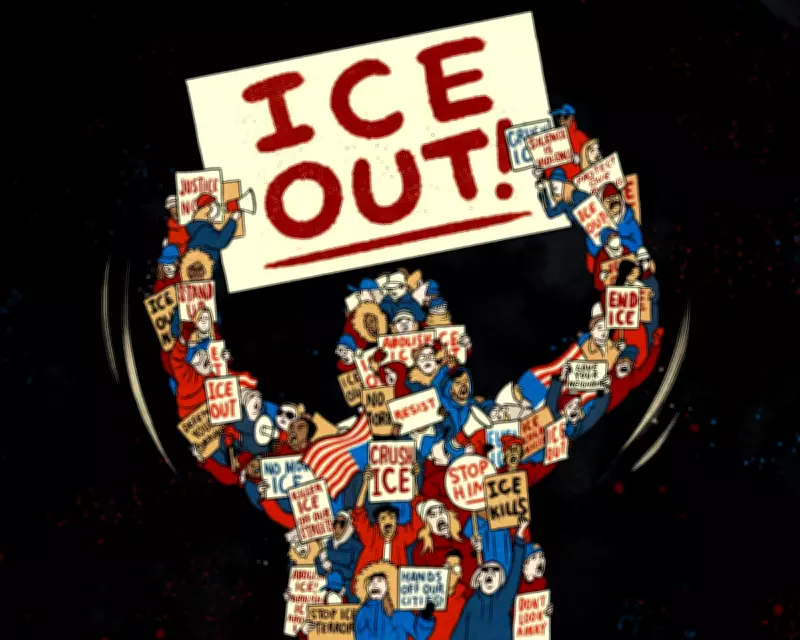
In a remarkable display of grassroots resistance, the city of Minneapolis has demonstrated that even in Donald Trump's America, ordinary citizens retain significant power to challenge authority and effect change. The recent retreat of Trump's immigration enforcement apparatus from the Minnesota city represents a striking victory for community organising against formidable institutional might.
Looking Beyond Conventional Leadership
For most political observers and media commentators, the natural focus remains fixed firmly on established leaders and institutional power structures. The British press alone mentions "leader" or "leadership" approximately two thousand times weekly, with a substantial proportion dedicated to coverage of Donald Trump. This persistent upward gaze creates what historian E.H. Carr might have described as an Athenian perspective on fifth-century Greece - comprehensive understanding of the dominant power's viewpoint while largely ignoring Spartan, Corinthian, or Theban perspectives, not to mention those of Persian subjects or Athenian slaves.
Contemporary journalism frequently replicates this imbalance, offering wall-to-wall coverage of Davos summits, diplomatic visits, and Westminster manoeuvring while largely overlooking grassroots movements and community resistance. Until, that is, a week like this one arrives to remind us that genuine power doesn't reside exclusively with the powerful.

The Minneapolis Resistance Movement
The disarray currently affecting the Trump administration's immigration enforcement efforts originated not in Washington corridors of power but in Minneapolis streets, where community resistance has achieved what conventional politics could not. After months of sustained protest and organisation, President Trump's immigration chief Gregory Bovino has been compelled to withdraw from the city, while Homeland Security head Kristi Noem faces potential dismissal or impeachment proceedings.
Remarkably, the Republican Party's signature domestic policy initiative - the deployment of heavily armed immigration enforcement units to multicultural Democratic cities - now faces opposition from a clear majority of Americans. This represents a significant reversal for an administration that has consistently demonstrated its capacity to pressure even powerful institutions into compliance.
Just last week witnessed Democratic representatives defying their own party leadership to support additional funding for immigration crackdowns, while global business elites queued respectfully to hear the president speak at Davos. Major media organisations, prestigious universities, and leading law firms have largely acquiesced to administration pressure through a familiar combination of incentives and threats.
Grassroots Organisation in Extreme Conditions
The Minneapolis resistance developed sophisticated organisational structures despite facing extreme conditions and significant personal risk. Tens of thousands participated in regular protests throughout the bitterly cold Minnesota winter, with one journalist reporting that temperatures dropped so low his pen ink froze during demonstrations.
Community networks established systems for monitoring Immigration and Customs Enforcement activities, providing supplies to vulnerable families, and creating field hospitals in local restaurants. This organisational capacity persisted despite the state-sanctioned killings of poet Renee Good and nurse Alex Pretti, both murdered by immigration enforcement personnel who subsequently slandered their victims as "domestic terrorists."
The resistance movement's geographical and organisational heart lies in south Minneapolis, the same neighbourhood where George Floyd's murder by police officers sparked global Black Lives Matter protests six years earlier. Some participants have reactivated networks established during that earlier period of activism, while others attribute their effectiveness to Minnesota's characteristically high levels of social trust - residents' willingness to rely on neighbours rather than distant authorities.

Leadership from Below in Theory and Practice
Historian Moshik Temkin's concept of "leadership from below" finds practical expression in the Minneapolis resistance. In his recent work examining leadership from Machiavelli to Malcolm X, Temkin describes how societies under authoritarian pressure often turn to "leaders who have few followers and no institutional power," citing French resistance to Vichy collaboration as a historical example.
These unconventional leaders frequently operate anonymously, their power deriving not from direct institutional authority but from the inspirational example they provide. Against the Trump administration's deliberate cultivation of ethnic division, Minneapolis residents have demonstrated remarkable neighbourliness and solidarity, creating what Temkin might recognise as authentic leadership emerging organically from communities rather than descending from established hierarchies.
Ongoing Struggle and Historical Significance
The conflict in Minneapolis continues unresolved, with immigration enforcement agents still employing teargas against schools and threatening protesters. The replacement of Gregory Bovino with Tom Homan - an official instrumental in developing ICE's family separation policies - offers limited cause for optimism regarding immediate policy changes.
Nevertheless, after a year characterised by establishment commentary about "vibe shifts" and emerging Trumpian orthodoxies, the Minneapolis resistance demonstrates that substantial opposition persists even against military-grade equipment and unconscionable state aggression. The movement provides historians and citizens alike with an alternative narrative about contemporary America, one that emphasises community resilience and grassroots organisation alongside conventional political analysis.
As E.H. Carr observed, historical significance remains perpetually contested rather than permanently established, with each generation re-evaluating past events through contemporary concerns. The Minneapolis resistance will eventually form part of America's historical raw material, its ultimate meaning shaped by future generations asking questions relevant to their own times. For now, it stands as powerful testament to ordinary citizens' capacity to challenge even the most formidable institutional power when organised effectively and motivated by shared principles.





