

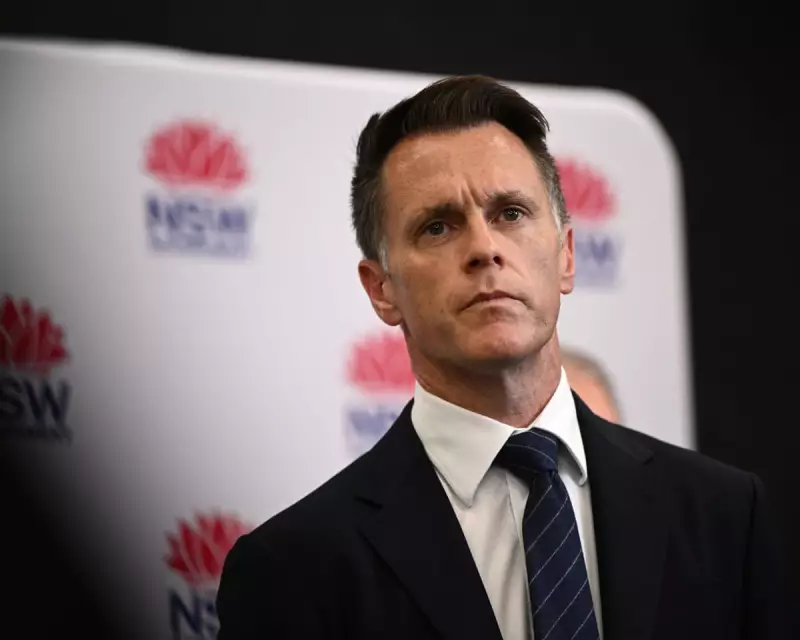
The Premier of New South Wales is facing intense criticism for what community leaders and legal experts are calling "outrageous" and "divisive" rhetoric directed at peaceful protesters. The comments, made in late 2025, have sparked a fierce debate about the appropriate language for a leader and the state of democratic rights in Australia.
A Tone Condemned as 'Unbecoming'
In a statement that has reverberated across the community, the Premier used highly charged language to describe participants in lawful, peaceful demonstrations. This approach has been widely condemned as an attempt to marginalise and stigmatise citizens exercising their democratic rights. Critics argue that such framing from the highest office in the state is not only inflammatory but also dangerously polarising.
The Premier's remarks, made on or around December 20, 2025, have drawn specific ire for conflating peaceful civil disobedience with more extreme actions. This, opponents say, creates a false and damaging narrative that undermines the fundamental right to protest. The language has been characterised as a deliberate political strategy to cast legitimate dissent in a negative light, potentially to justify stricter legislative measures.

Legal and Community Backlash
The response from legal bodies, civil society groups, and community organisers has been swift and severe. Many have pointed out that the right to peaceful assembly is a cornerstone of a healthy democracy. By using what they describe as "bellicose" and "aggressive" terminology, the Premier is seen as eroding this pillar and sowing distrust within the community.
There is a growing concern that this rhetoric could have tangible consequences. It risks creating a chilling effect, where ordinary citizens may feel intimidated or discouraged from participating in public discourse for fear of being branded with the same inflammatory labels. Furthermore, it is seen as delegitimising valid concerns held by various community groups, from environmental activists to social justice advocates.
The timing of the comments is also significant, coming amidst ongoing national and global debates about the balance between public order and civil liberties. Observers note that leaders in other democracies have a responsibility to lower temperatures and foster unity, not to heighten divisions with provocative speech.
Wider Implications for Democratic Discourse
The controversy extends beyond a single political misstep. It raises profound questions about the health of public debate and the responsibilities of those in power. When a Premier uses language that community leaders deem "unbecoming of his office," it sets a troubling precedent for political discourse at all levels.
The incident has galvanised calls for a return to more respectful and measured communication from elected officials. There is a strong argument that robust debate can and should occur without resorting to rhetoric that paints fellow citizens as enemies or threats simply for expressing a dissenting view. The core criticism is that the Premier's words do not seek to engage with the substance of protesters' concerns but rather to dismiss and demonise them outright.
In conclusion, the fallout from the NSW Premier's comments serves as a stark reminder of the power of political language. While the right to protest remains legally protected, the social licence to exercise that right can be undermined by toxic rhetoric from the top. The calls for the Premier to recalibrate his tone are, at their heart, a defence of inclusive and respectful democratic engagement. The community's reaction underscores a fundamental expectation: that leaders should unite, not divide, and should champion the democratic freedoms they are sworn to uphold, even when faced with criticism.






