

The New South Wales parliament is once again expediting legislation to restrict protests, a move legal experts warn could face a swift challenge in the courts, much like its predecessors. The new laws grant police powers to curb public assemblies following a declared terrorist incident.
A History of Court Rejections
This legislative rush follows a familiar pattern. In 2022, laws were rapidly passed to prevent climate protesters from disrupting infrastructure. These were successfully challenged by activist group the "knitting nanas," with part of the law struck down for burdening the implied freedom of political communication.
Subsequent laws, hurried through after the Dural caravan episode to restrict protests outside places of worship, also met a similar fate. The NSW Supreme Court ruled that police powers to issue "move-on" orders were too broad, as they applied even when no obstruction or intimidation was occurring. The court found more targeted measures were available.

The New Police Powers
The latest bill allows the Police Commissioner or Deputy Commissioner to issue a "public assembly restriction declaration" for a specific area within 14 days of a suspected terrorist incident being declared. This declaration can last for up to 14 days, extendable to 90.
It does not outright ban protests but prevents them from being formally authorised under existing law. This means participants in an unauthorised assembly can be prosecuted for obstructing people or traffic, and police can issue move-on orders. Non-compliance becomes an offence.
The Commissioner must be satisfied that assemblies in the area would likely risk community safety or cause a reasonable person to fear harassment, intimidation, or violence.
Constitutional Tightrope and Premier's Caution
Activist groups have already pledged to challenge the law. The central question will be whether it is "reasonably appropriate and adapted" to a legitimate goal, balancing public safety benefits against the detriment to free speech.
Opponents will argue the declared area could be excessively large, potentially statewide, and not limited to the attack site. They contend it is over-inclusive, affecting all assemblies—from a Mardi Gras parade to a school protest—regardless of their individual risk.
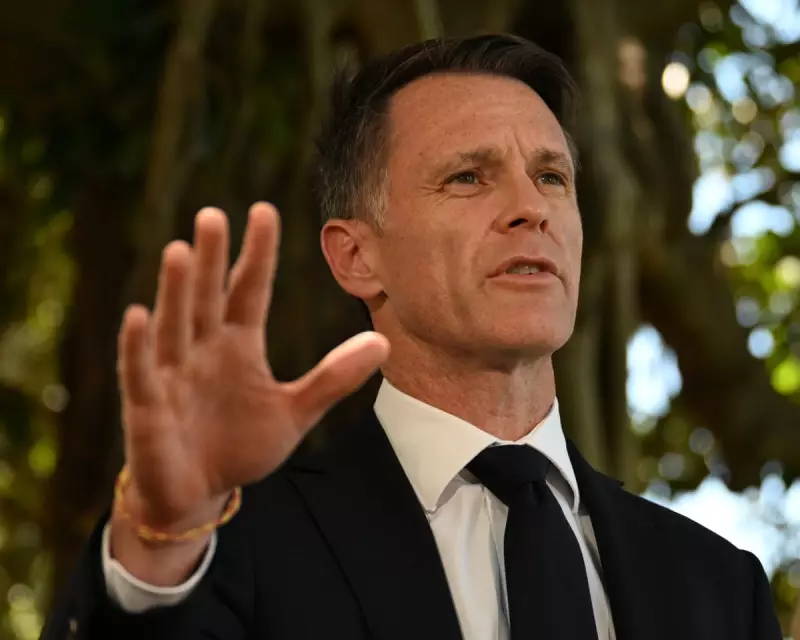
In contrast, NSW Premier Chris Minns has shown more caution regarding a separate proposal to ban specific protest chants. "I've moved a series of laws in NSW that have been knocked over in the high court," he said, announcing a parliamentary inquiry to seek "airtight" legislation.
Constitutional law professor Anne Twomey notes that while no law is guaranteed safe, greater pre-enactment scrutiny typically produces legislation better calibrated to survive a challenge. The race to pass this bill, she suggests, may be storing up problems for the future.






