Pakistan's Transgender Community Stages Peaceful Protest After Murders in Karachi
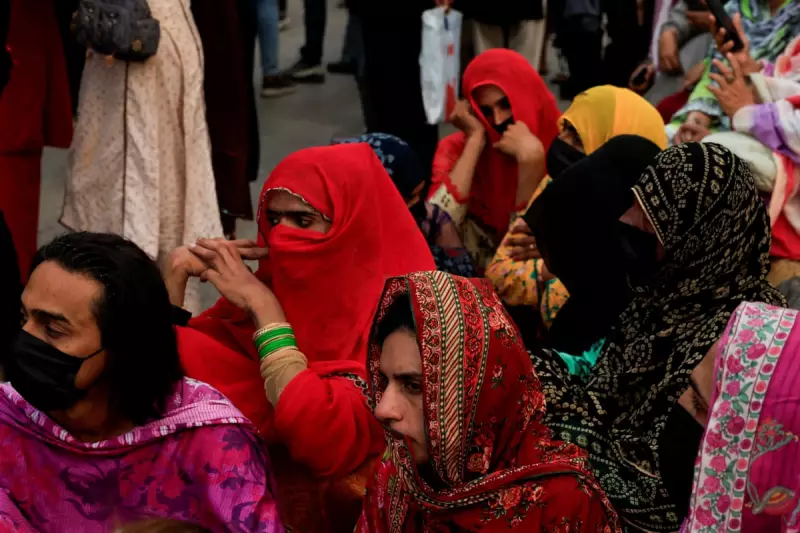
Members of Pakistan's transgender community have held a peaceful protest to condemn the murder of three trans women on the outskirts of Karachi on 24 September 2025. This demonstration highlights a growing wave of violence that has left many transgender individuals afraid to leave their homes, as experts link the surge in attacks to the global rise of far-right ideologies fuelling transphobia.
Recent Attacks Shake the Community
In the early hours of 19 January, a shooting incident targeted Bindiya Rana, head of the Gender Alliance Interactive (GIA), and her housemate Zehrish Khanzadi, a rights activist, at their home in Karachi. Rana narrowly escaped injury as three bullets struck a cabinet instead. Khanzadi, who filed a police complaint, expressed shock at becoming a victim in her own safe space, noting that those who protect others are now under direct attack.
This event follows other brutal assaults, such as the stabbing of Nadira, a trans woman and HIV-positive beggar, at Karachi's Sea View beach in September after she rejected a man's advances. She suffered an eight-inch knife wound requiring 35 stitches and multiple blood transfusions. Just two days later, three trans women were shot at close range on Karachi's outskirts while begging; the alleged killers have been arrested, with investigations ongoing.

Escalating Violence and Community Response
Violence against transgender people in Pakistan has intensified significantly. GIA has documented 55 killings in Sindh province between 2022 and September 2025, including 17 in Karachi alone. In Khyber Pakhtunkhwa (KP) province, local elders have ordered trans women to leave districts, accusing them of corrupting youth, leading to arrests at events like a dance in Swabi. Farzana Riaz of the Transgender Community Alliance in Peshawar reports that many trans women now fear stepping outside, losing their primary incomes from begging or sex work.
In response, the community is fighting back legally. Twenty-six petitioners have filed a case in Peshawar high court against the provincial police chief for harassment, resulting in restraining orders to prevent expulsions. Dr Mehrub Awan, a trans woman and political secretary, attributes local crackdowns to social reactions against perceived vulgarity, but also warns of a broader trend influenced by global right-wing propaganda.
Global Influences and Legal Challenges
Shahzadi Rai, a Karachi city councillor, links the rise in transphobia to US President Donald Trump's homophobic policies, which she says have emboldened right-wing ideologies worldwide. While no direct data connects US policies to Pakistan, figures like fashion designer Maria B and social media personalities are accused of spreading anti-trans rhetoric online, mirroring American discourse.
Legally, the situation is complex. Despite the 2018 Transgender Persons (Protection of Rights) Act, which guarantees self-identity and protection, a 2023 federal shariat court ruling deemed parts of it incompatible with Islam. A proposed new bill, the Intersex or Khunsa (Protection of Rights) Act, suggests replacing self-identification with medical boards, but it lacks political support and remains uncertain.
As anti-trans debate grows, Pakistan's transgender community continues to advocate for their rights amidst fear and violence, highlighting a critical human rights issue in the region.