

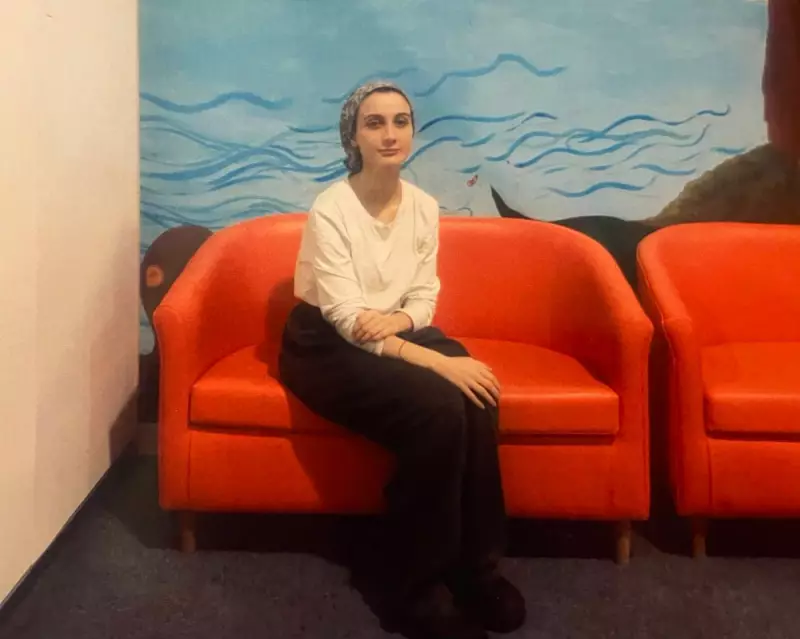
Six prisoners affiliated with the pro-Palestinian direct action group Palestine Action are staging a coordinated hunger strike across multiple UK prisons, with one activist now on day 42 of her protest. The group, held on remand for over a year, are demanding immediate bail and an end to restrictions they link to the group's proscription.
'It feels like being suffocated': The physical toll of starvation
Teuta Hoxha, 29, awaiting trial at HMP Peterborough, described the severe physical consequences of her prolonged refusal of food. "A lot of the times it feels like you're being suffocated," she said via an intermediary. "You start to turn grey, both in terms of the hue of your skin but also you notice more grey hairs, everything manifests physically."
She listed constant symptoms including dizziness, headaches, and shortness of breath, alongside the looming risk of irreversible damage. "We're at risk of losing... everything that brings you autonomy," Hoxha stated, citing potential blindness, organ failure, and brain damage.

Most of the group are being held over alleged offences, including criminal damage and aggravated burglary, at a factory for the Israeli arms manufacturer Elbit Systems in Filton, near Bristol. All have been in pre-trial custody for significantly more than the standard six-month limit.
A rolling protest and mounting health concerns
The rolling hunger strike, believed to be the largest coordinated action of its kind in the UK since IRA prisoners in 1981, began on 2 November. The first to refuse food were Qesser Zuhrah, 20, and Amu Gib, 30, at HMP Bronzefield in Surrey. They were joined by others across the prison estate:
- Heba Muraisi, 31, at HMP New Hall.
- Kamran Ahmed, 28, at HMP Pentonville, on day 41 of his strike.
- Lewie Chiaramello, 22, who has diabetes, is refusing food every other day.
Two prisoners, Umar Khalid and Jon Cink, have recently ended their strikes after 13 and 41 days respectively, the latter after being hospitalised. Concerns for the remaining strikers are escalating. Kamran Ahmed's sister, Shahmina Alam, warned publicly: "His heart is slowing down, so what are we waiting for, for it to stop?"
Dr James Smith, an emergency physician in contact with the strikers, outlined the grave medical reality. "After approximately three weeks, the body has exhausted fat stores and begins to break down muscle and organ tissue," he said. "On this trajectory, put simply, the hunger strikers are dying."
Political stalemate and historical parallels
Despite appeals from MPs and health professionals, Justice Secretary David Lammy has refused to meet with the prisoners' representatives. Labour MP John McDonnell said he and colleagues had used "every parliamentary device we possibly can" to resolve the situation, without success.
Dr Ian Miller, a historian at Ulster University, drew parallels with past hunger strikes by suffragettes and Irish Republicans. He noted governments often portray such actions as "blackmail" or "suicide", while the strikers see themselves as using their bodies as a last resort. "I think it's usually when someone dies... that the public really becomes sympathetic to them," he observed bleakly.
The Ministry of Justice and prison operators maintain that prisoners refusing food receive regular medical assessment. Prisons Minister Lord Timpson stated the government was experienced in dealing with such protests, with systems described as "robust and working".
From her cell, Teuta Hoxha remains defiant, posing a stark question to the authorities: "If they do not make any concessions, then they need to prepare to answer the question: 'Why did you let prisoners die?'" Her 17-year-old sister, Rahma, told a press conference her life had been "shattered" by the situation.






