A wave of mourning has swept through Rio de Janeiro's Jacarezinho neighbourhood after a massive police raid turned the crowded favela into a war zone, leaving at least 25 people dead in what authorities are calling the city's most lethal operation against drug traffickers.
A Morning of Terror
Residents described scenes of pure chaos as hundreds of police officers stormed the northern Rio slum in the early hours of Thursday morning. The operation, targeting the Comando Vermelho (Red Command) drug gang, quickly escalated into intense gun battles that sent terrified locals scrambling for cover.
"We heard shots from all sides, it was like a war," one shaken resident told reporters, too fearful to give their name. "We just threw ourselves on the floor and prayed."

Mounting Casualties and Controversy
The death toll includes at least 24 suspected gang members and one police officer, making this the deadliest single operation in Rio's history according to public security records. Graphic images circulating online show blood-stained floors and bodies lying in narrow alleyways, sparking outrage among human rights organisations.
Brazil's Public Security Institute reported that authorities seized dozens of weapons including pistols, rifles, and grenades, along with stolen vehicles and large quantities of drugs. Police claim the operation was intelligence-based and aimed at disrupting the gang's recruitment of teenagers.
International Condemnation
Human rights groups have condemned the operation's brutality, with many questioning whether police used appropriate force in such a densely populated area. Rio's police have long faced criticism for their aggressive tactics in the city's favelas, where poor residents often find themselves caught in crossfire between officers and gangs.
This latest raid comes despite a Supreme Court ruling last year that restricted police operations in favelas during the pandemic, a decision that appears to have done little to curb the violence.
A Community in Mourning
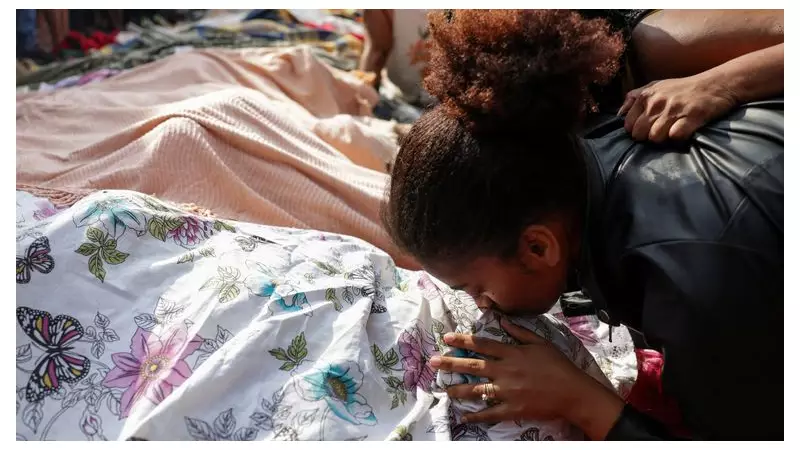
As forensic teams worked to remove bodies from the scene, distraught family members gathered outside the local medical examiner's office, desperate for information about their loved ones. The atmosphere was thick with grief and anger as the human cost of Rio's endless war on drugs became painfully clear.
This tragic event raises serious questions about public security strategies in Brazil and highlights the ongoing struggle faced by residents of Rio's impoverished communities, who continue to bear the brunt of the city's gang violence.