

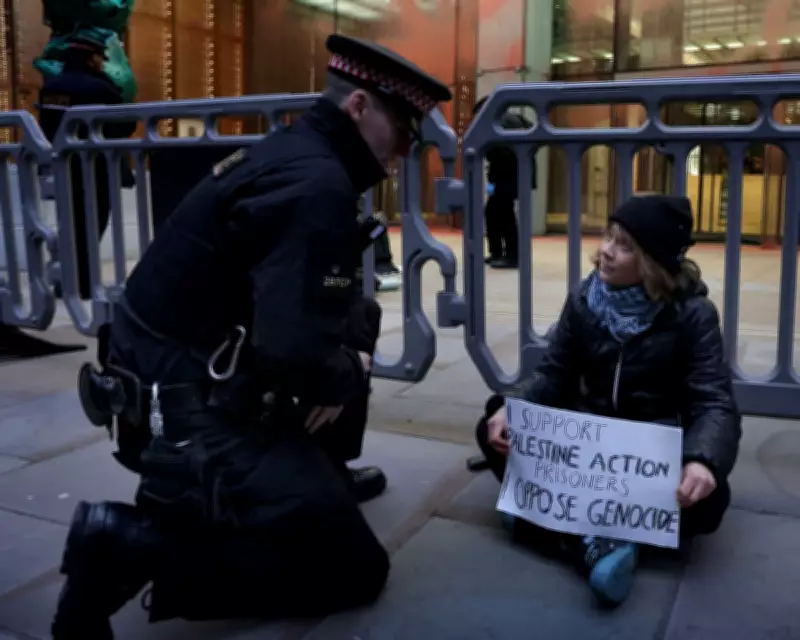
Sally Rooney, Greta Thunberg, and Brian Eno have written to the Court of Appeal in support of Palestine Action ahead of next week's hearing to determine the lawfulness of the ban on the direct action protest group. The letter, consisting of just seven words – “We oppose genocide, we support Palestine Action” – is signed by more than 130 individuals, marking the first time prominent scholars, writers, and activists have united to defy the ban.
Background of the Ban
In February, three senior judges ruled that the ban on Palestine Action, the first on a direct action protest group under the Terrorism Act, was unlawful. However, they ordered it to remain in place pending the appeal, which begins at the Court of Appeal on Tuesday. Following the High Court's decision, the Metropolitan Police initially stopped making arrests but later resumed them.
Prominent Signatories
Other notable signatories include writers Tariq Ali and China Miéville; musicians Nadine Shah and Matt Black (co-founder of Ninja Tune); feminist philosopher Judith Butler from UC Berkeley; and veteran environmental campaigner Jonathon Porritt. By echoing the words of over 3,000 people arrested for alleged support of a terrorist group – holding placards reading “I oppose genocide, I support Palestine Action” – they too risk arrest.

Peter Hallward, a professor of modern European philosophy at Kingston University, said: “This absurd and contradictory situation clearly cannot last much longer. And if enough people are prepared to defy such an incoherent and unjustifiable law, then we may be able to persuade the government that it’s neither legitimate nor enforceable.”
Rooney's Concerns
Sally Rooney, author of Normal People and Conversations with Friends, cancelled a trip to the UK to collect an award last year, fearing arrest after stating she intended to use proceeds from her works to support Palestine Action. In a witness statement highlighting the ban's impact on freedom of expression, she warned that her books could disappear from UK stores due to her support for the group.
Thunberg's Arrest
Greta Thunberg was arrested in December after holding a sign at a demonstration that read: “I support the Palestine Action prisoners. I oppose genocide.” Her placard referenced people on hunger strike at the time, who were in prison awaiting trial for protests before the group was banned.
Broader Implications
Some signatories had previously signed statements urging the UK government to reverse the ban and expressing solidarity with Palestine Action prisoners after Thunberg's arrest. However, this letter goes further by openly flouting the ban. Jonathon Porritt stated: “If you ignore what is happening in Gaza, the West Bank and East Jerusalem, you put your own humanity on hold. If you fight for the rights of all Palestinians, by supporting Palestine Action, hope can be reborn.”
Charles Secrett, former leader of Friends of the Earth UK, said: “Orwell warned that the first step towards tyranny is the abuse and misuse of language by an authoritarian government. Labour’s perverted interpretation of the word ‘terrorist’ in designating Palestine Action and its supporters as terrorists is a case in point. It is a travesty of justice and freedom of expression to equate peaceful, placard-carrying people of conscience, like students and pensioners, with violent extremists from groups like Isis and al-Qaida.”
The letter has been posted on the website of Defend Our Juries, a civil liberties organisation, with a form allowing anyone to add their name. After the High Court's judgment, Home Secretary Shabana Mahmood said she disagreed with the ruling “that banning this terrorist organisation is disproportionate”.






