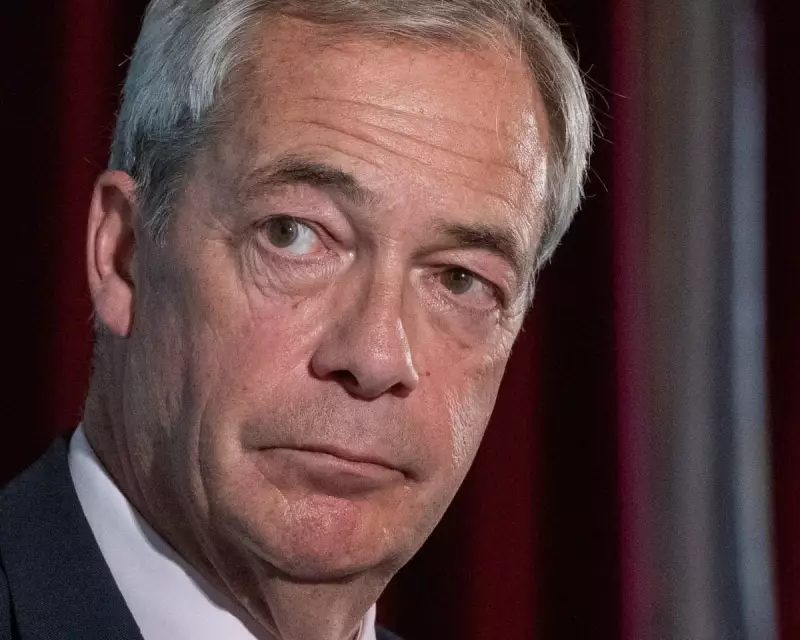
Women who endured childhood sexual exploitation at the hands of grooming gangs have broken their silence to confront Nigel Farage directly, demanding a full retraction and apology for comments they say have exploited their trauma for political gain.
The survivors, represented by the landmark Truth Project, have written an open letter expressing their profound distress at the Reform UK leader's characterisation of their experiences. They describe feeling 're-traumatised and dehumanised' by political rhetoric that reduces their suffering to talking points.
The Heart of the Conflict
At the centre of the dispute are remarks made by Farage during his election campaign and media appearances, where he repeatedly highlighted grooming gang cases while discussing immigration policy. Survivors argue this creates a false and damaging narrative that overlooks the complex reality of child sexual exploitation in Britain.

'Our abuse was not about immigration; it was about power, vulnerability, and systemic failures,' one survivor explained through their representative. 'To have our trauma weaponised in political debates adds another layer of pain to what we already carry.'
Broader Implications for Survivors
The confrontation highlights growing concerns about how political discourse impacts vulnerable communities. Support organisations warn that oversimplified narratives about grooming gangs risk:
- Alienating survivors from different ethnic backgrounds
- Discouraging victims from coming forward
- Undermining community cohesion efforts
- Diverting attention from systemic child protection failures
Political Repercussions
Farage's office has acknowledged receiving the letter but has yet to issue a formal response. The timing is particularly sensitive as Reform UK seeks to establish itself as a major political force following recent electoral successes.
This standoff represents a significant challenge for the party, forcing it to balance its immigration stance against accusations of causing genuine harm to abuse survivors.
The survivors have made it clear this isn't about party politics but about basic human dignity. As one representative stated: 'We survived the unimaginable. The least we deserve is not to have our pain become political ammunition.'