

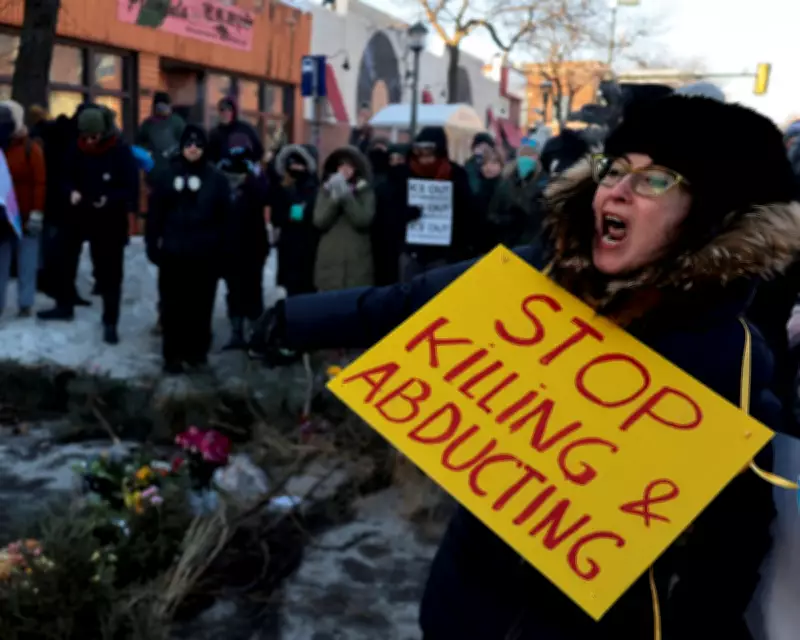
Nationwide Anti-ICE Protests and General Strike to Disrupt US on Friday
Activists across the United States are mobilising for a coordinated nationwide shutdown this Friday, urging citizens to participate in a "no work, no school, no shopping" protest against the Trump administration's aggressive immigration enforcement measures. The action, termed a "blackout" or general strike by organisers, represents a significant escalation in non-violent resistance to Immigration and Customs Enforcement (ICE) tactics, which have faced intense scrutiny following several fatal shootings involving federal agents.
Student-Led Movement Gains Momentum Following Minnesota Tragedy
The protest movement has been spearheaded by student groups, particularly from the University of Minnesota, where organisers have been coordinating efforts since late January. Kidus Yeshidagna, president of the Ethiopian Students Union at the university and a key strike organiser, emphasised the national ambitions of the campaign. "We are calling for this strike because we believe what we have been doing in Minnesota should go national," Yeshidagna stated. "We need more people and lawmakers across the country to wake up."
The Minnesota shutdown last Friday saw thousands braving sub-zero temperatures to flood streets, with hundreds of businesses closing in solidarity. The protests demand justice for Renee Good and Alex Pretti, Minneapolis residents fatally shot by ICE agents, alongside other victims including Keith Porter in Los Angeles and Silverio Villegas González in Illinois. Yeshidagna, who grew up in St Paul and protested following George Floyd's killing in 2020, highlighted the broader implications: "We've been seeing clear racial profiling in Minnesota. This isn't just an immigrant issue. This is a human rights issue that is also affecting US citizens."

Widespread Participation and Economic Pressure Tactics
From coast to coast, participation in Friday's action is expected to be substantial:
- Businesses across dozens of cities, including restaurants, clothing retailers, bookstores and coffee shops, have announced closures
- Protests are planned at city halls, courthouses, statehouses and legislative buildings in Philadelphia, New York, Boise and Columbus
- Students at high schools and colleges in Florida, California and other states are organising walkouts
- Gatherings are scheduled in Milwaukee, Buffalo, Wyoming and outside Target stores in Washington DC
The boycott against Target has gained particular traction following ICE's violent detention of two Target employees in Richfield, Minnesota. Organisers view economic pressure through work stoppages and consumer boycotts as crucial tactics to demand accountability and reform.
Growing Coalition of Support and Celebrity Endorsements
Support for the strike has expanded dramatically throughout the week. Hundreds of organisations have pledged solidarity, including:
- Student groups from multiple states
- Labour unions including graduate worker organisations
- Major organising groups such as 50501
- Family members of victims who have contacted student organisers
Gloriann Sahay, a national coordinator with 50501, explained the strategic objective: "We want to obstruct the pillars that are upholding the Trump administration. By showing up, we are showing we are more in number and that we are not afraid of this terror being reigned down upon us."
Celebrity endorsements have further amplified the movement's visibility, with figures including Ariana Grande, Macklemore and Pedro Pascal publicly calling for participation. Yeshidagna expressed astonishment at the support: "When I got out of class, I saw that Ariana posted our flyer. That was crazy. It is awesome that she is bringing light to this."

Political Context and Legislative Implications
Friday's protests coincide with significant political developments in Washington. Senate Democrats, joined by some Republicans, have indicated they will oppose any spending bill that includes funding for the Department of Homeland Security, which oversees ICE. This stance threatens a partial government shutdown while Democrats push for reform measures including:
- Banning ICE agents from wearing masks during operations
- Requiring ICE to obtain warrants before making arrests
- Implementing stronger oversight mechanisms
The convergence of street protests and legislative action creates a potent moment for immigration policy reform, with organisers hoping sustained pressure will force meaningful changes to enforcement practices that have drawn widespread condemnation.





