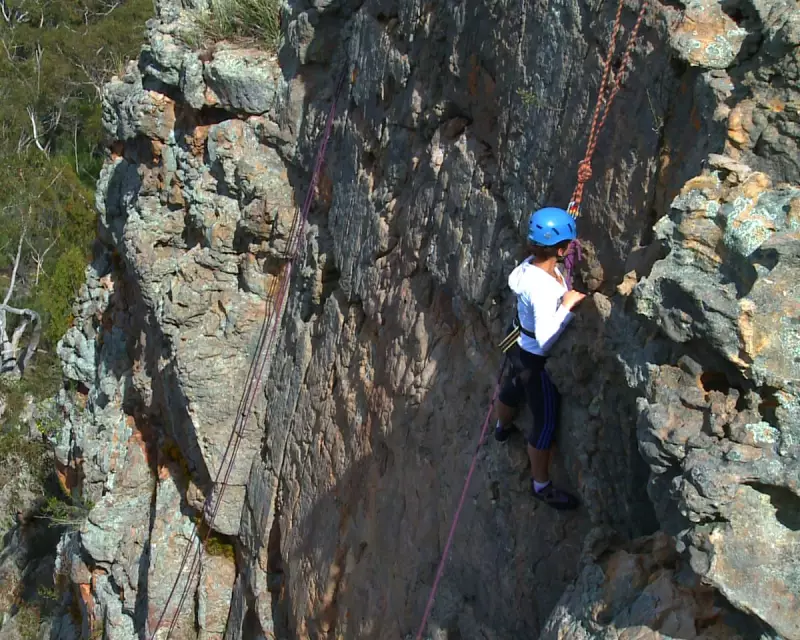
Victoria's rock climbing community is stirring up controversy as prominent figures within the sport openly encourage enthusiasts to defy newly implemented bans at culturally sensitive Indigenous sites. The movement is creating significant tension between heritage conservation efforts and recreational access rights.
Heritage Protection Sparks Outcry
Recent government decisions to restrict climbing activities at several locations deemed culturally significant to Aboriginal communities have met with substantial resistance. Climbing advocates argue that the blanket bans overlook years of established cooperation between climbers and Traditional Owners.
"We've maintained these areas responsibly for decades," states one veteran climber. "Suddenly being told we can't access these spaces feels like our community's stewardship is being disregarded."

The Cultural Significance Debate
At the heart of the controversy lies the delicate balance between preserving Indigenous heritage and maintaining public access to natural spaces. The affected sites include ancient rock formations and areas containing significant cultural artifacts and rock art.
Traditional Owner groups have consistently emphasised the spiritual and historical importance of these locations, noting that climbing activities can cause irreversible damage to culturally modified trees and sacred rock surfaces.
Climbing Community's Response
Rather than accepting the closures, climbing organisations are mounting a coordinated response that includes:
- Public demonstrations at restricted sites
- Social media campaigns highlighting their perspective
- Legal challenges to the closure orders
- Proposed alternative management plans
The situation has escalated to the point where some climbing groups are explicitly encouraging members to continue using the restricted areas, arguing that the bans represent an overreach of regulatory authority.
Government Stance Remains Firm
Heritage Victoria maintains that the protections are necessary to safeguard irreplaceable cultural assets. "These sites represent thousands of years of continuous cultural connection," explained a department spokesperson. "Our primary responsibility is to ensure they remain intact for future generations."
Authorities have indicated that enforcement measures will be implemented, though the practical challenges of monitoring remote climbing locations remain significant.
As the standoff continues, both sides appear entrenched in their positions, suggesting this cultural and recreational conflict may intensify in the coming months.