

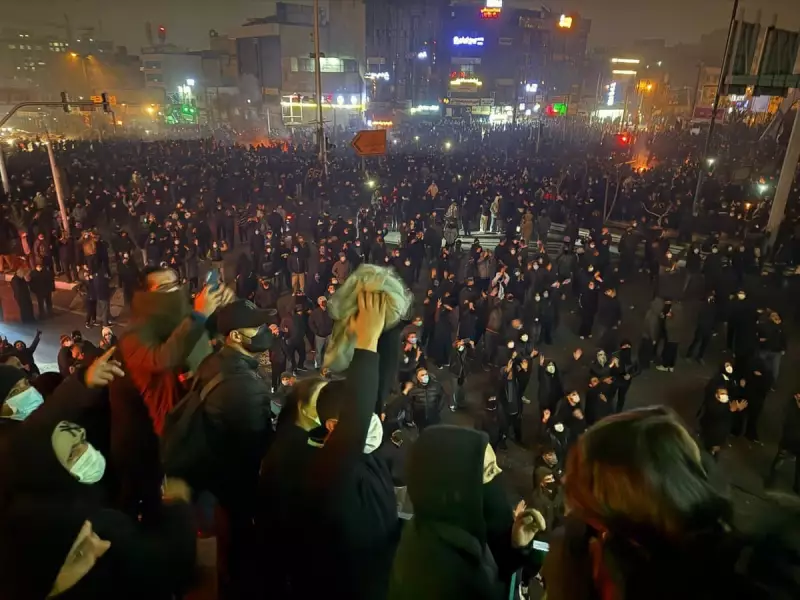
In September 2022, a wave of unprecedented protests swept across Iran, triggered by the death of a young woman in police custody. What began as outrage over her killing evolved into a broad-based movement challenging the very foundations of the Islamic Republic's authority.
The Spark: The Death of Mahsa Amini
The catalyst was the tragic fate of Mahsa Amini, a 22-year-old Kurdish Iranian woman. On 13 September 2022, she was arrested in Tehran by the country's morality police for allegedly violating the strict hijab law. Three days later, on 16 September, she died in hospital. Authorities claimed she suffered a heart attack, but her family and countless Iranians believed she was beaten to death.
Her death ignited immediate fury. Protests erupted at her funeral in her hometown of Saqqez and spread like wildfire to every corner of the nation, from major cities to small towns. The central chant, "Woman, Life, Freedom" (Zan, Zendegi, Azadi), became the powerful, unifying slogan of the uprising.

Symbols and Tactics of Defiance
The movement developed a rich visual and symbolic language to express its dissent and evade a severe crackdown. A key act of defiance was the public removal of the mandatory hijab. Women cut their hair and burned headscarves in dramatic gestures, images that resonated globally.
Protestors utilised graffiti, art, and social media to spread their message. They targeted symbols of the regime, with slogans condemning Supreme Leader Ayatollah Ali Khamenei. The protest was notably leaderless, organised through decentralised networks, making it difficult for the state to decapitate.
Despite the widespread participation of all society segments, the movement was notably driven by young women and Gen Z, who faced the brunt of the morality police's restrictions. Their courage in facing security forces became a defining image.
Brutal Crackdown and Lasting Impact
The state responded with extreme force. Security forces, including the Revolutionary Guards and Basij militia, used live ammunition, metal pellets, and tear gas against demonstrators. A widespread internet shutdown was imposed to stifle communication and obscure the violence from the world.
The human cost was staggering. Hundreds of protestors were killed, including many young people. Tens of thousands were arrested, and the regime carried out executions of protestors, further inflaming international condemnation. Despite the suppression, the "Woman, Life, Freedom" movement left an indelible mark, exposing deep societal fractures and demonstrating a formidable, organised resistance to clerical rule.
The legacy of the 2022 protests continues to shape Iran's political and social landscape. It represents a profound challenge to the regime's ideology and highlights the unwavering demand for change, particularly regarding women's rights and personal freedoms, from a new generation.






