Prime Minister Anthony Albanese has called an urgent meeting of the national cabinet to discuss Australia's firearm regulations. This crisis response follows the devastating Bondi Junction terror attack, which has reignited a fierce national debate about gun control.
A Legacy of Reform and Lingering Loopholes
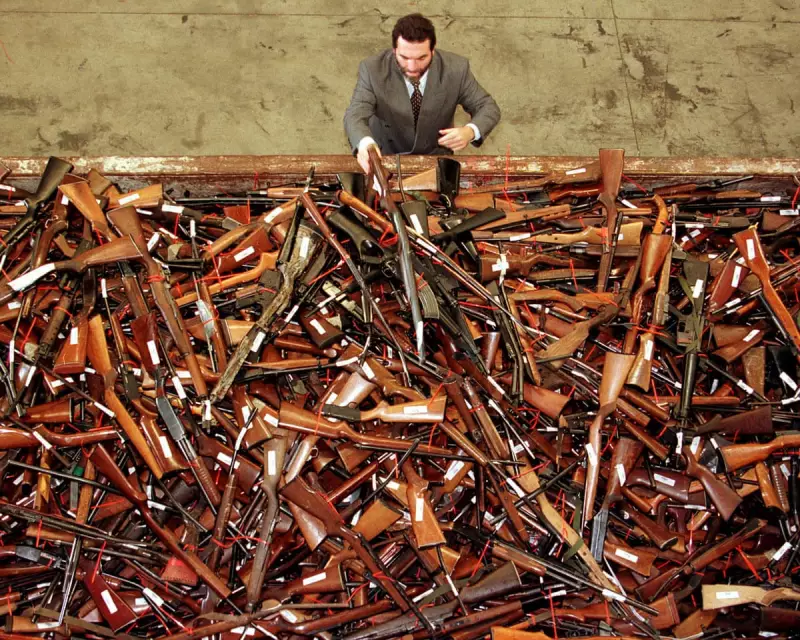
The discussion is set against the backdrop of the landmark National Firearms Agreement (NFA) of 1996. That agreement was forged in the wake of the Port Arthur massacre, where a gunman used semi-automatic military rifles. The NFA led to a massive government buyback scheme, stricter licensing, improved storage rules, and a ban on semi-automatic rifles.
While the NFA successfully halted public mass shootings with rifles and shotguns for decades, experts argue it contained critical flaws. It permitted access to single-shot high-powered rifles with magazines—a weapon type used in the Bondi attack. Furthermore, most states have failed to fully implement the NFA's recommendations, and a national gun registration system remains incomplete nearly 30 years later.

The Western Australian Model and the Recreational Hunting Problem
Advocates point to Western Australia's comprehensive legislative changes in late 2024 as a blueprint for national reform. These laws, designed to prioritise community safety while considering legitimate needs like pest control, are forcing other states to re-examine their own statutes.
A central issue is the recreational hunting licence. This category, described as ambiguous, allows individuals to obtain gun licences primarily for personal entertainment. The Bondi attacker held such a licence, enabling him to legally possess six firearms. Gun control campaigners Charles Watson and Roland Browne argue this licence type must be abolished, accompanied by a new compensation scheme for affected owners.
Political Pressure and the Path Forward
The authors of the original opinion piece, public health physician Charles Watson and lawyer Roland Browne, state that Albanese must now show the leadership John Howard demonstrated in 1996. They contend that abolishing recreational hunting licences is essential to honour the Bondi victims.
They also highlight how the 1996 agreement's allowance of gun club membership as valid grounds for a licence backfired, flooding clubs with new members and funnelling fees to political groups seeking to weaken gun laws. The key challenges now are:
- Re-evaluating the justification for granting gun licences.
- Controlling the type and number of firearms an individual can own.
- Establishing nationally consistent data and oversight of gun ownership.
The national cabinet's urgent meeting signals that the Bondi tragedy has guaranteed gun law reform will be fast-tracked. The pressure is on the federal government to deliver cohesive, effective national legislation to prevent future atrocities.